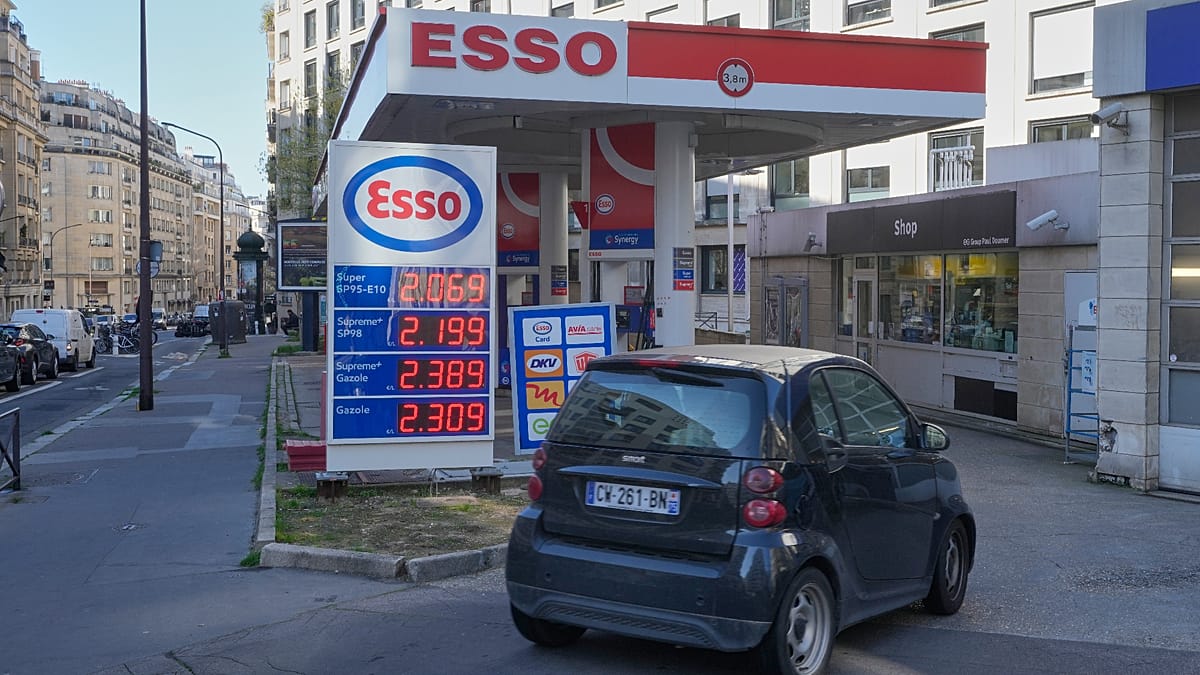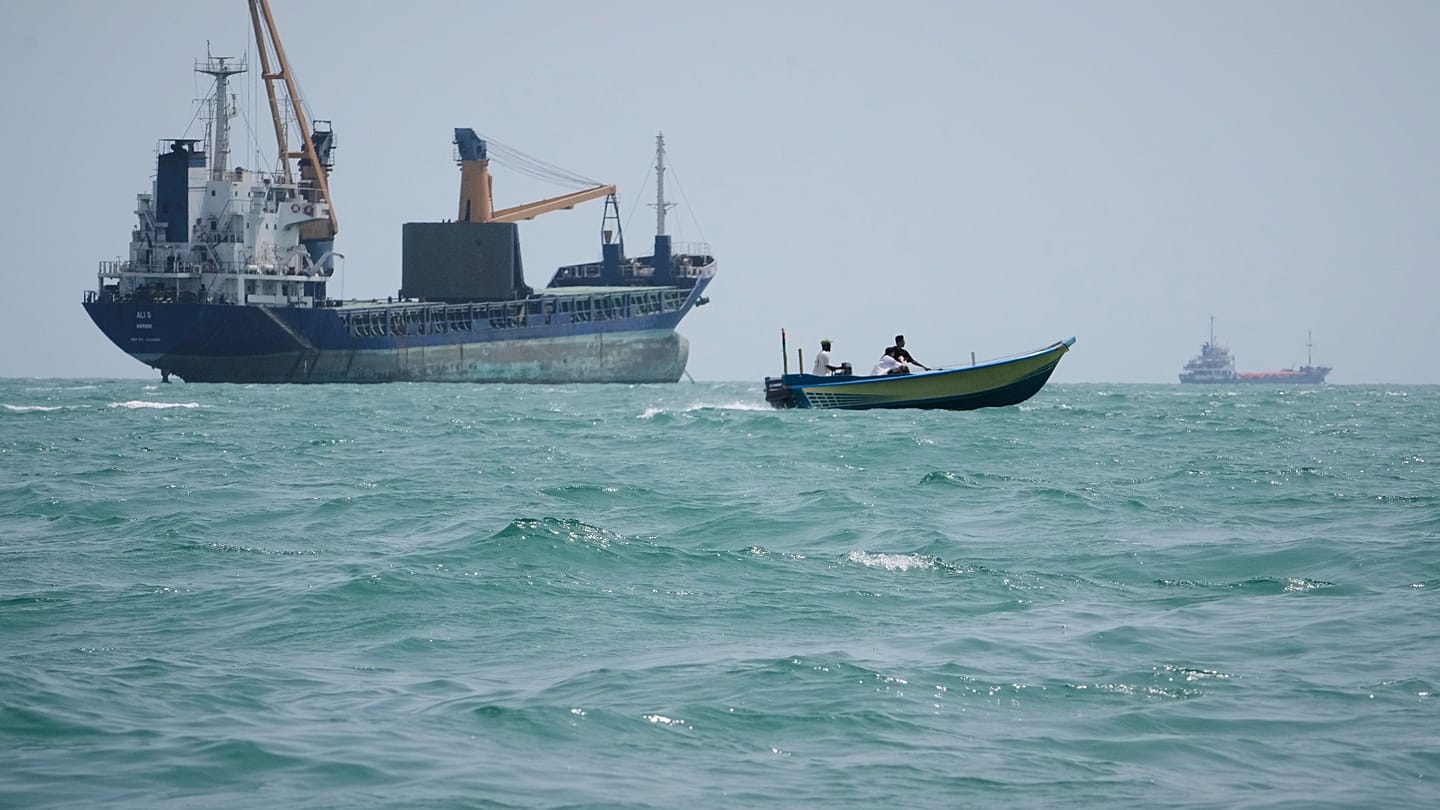
The latest escalation in the Strait of Hormuz has sent Brent crude above $100 a barrel, a level not seen in months. For European governments and businesses, the immediate question is not just the price at the pump but the structural dependence of individual member states on imported oil. Eurostat's trade data offers a clear picture of who buys the most and who would feel the pinch first if shipments through the strategic waterway were disrupted.
Europe's biggest crude oil importers
According to the latest annual figures, Germany leads the European Union in crude oil imports, taking in roughly 84 million tonnes in 2023. The Netherlands follows with around 78 million tonnes, though a significant share of that volume is re-exported to other EU countries via Rotterdam's refining and storage hub. Italy imports about 58 million tonnes, Spain around 55 million tonnes, and France approximately 48 million tonnes. These five countries together account for nearly two-thirds of the bloc's total crude oil purchases.
Beyond the EU, the United Kingdom imports about 40 million tonnes annually, while Switzerland and Norway are smaller players, with Norway being a net exporter. The Balkans, including Serbia and North Macedonia, have more modest import volumes but are often more vulnerable due to limited storage capacity and fewer alternative supply routes.
Exposure to Hormuz disruptions
The Strait of Hormuz is a critical chokepoint for global oil shipments, with about 20% of the world's petroleum passing through it. For Europe, the exposure varies. Southern European countries such as Italy, Greece, and Spain rely more heavily on Middle Eastern crude, while northern nations like Germany and Poland have diversified more toward Russian pipeline oil (before the war), North Sea production, and Atlantic basin suppliers.
Recent attacks on tankers and the US strikes on Iranian targets have heightened fears of a full blockade. In response, some Gulf producers have begun ship-to-ship transfers to bypass the strait, but these are costly and limited in scale. The price surge above $100 reflects the market's nervousness about supply continuity.
European refineries, particularly those in the Mediterranean, are most at risk. Italy's refineries, for instance, process a significant share of Iraqi and Saudi crude. If those flows were cut off, they would need to source from the Atlantic Basin, which would increase costs and tighten global supply.
Diversification and long-term strategy
The European Commission has long pushed for greater energy diversification, but progress has been uneven. The REPowerEU plan, introduced after Russia's invasion of Ukraine, aimed to phase out Russian fossil fuels by 2027. While pipeline imports from Russia have dropped sharply, seaborne crude from the Middle East has filled some of the gap, inadvertently increasing reliance on Hormuz.
Some countries are better positioned than others. Spain has invested in regasification terminals and can import more LNG, but its crude oil supply remains tied to global markets. The Netherlands, as a major trading hub, has flexibility but also exposes the rest of the EU to price volatility.
In the longer term, the transition to electric vehicles and renewable energy will reduce oil demand, but for now, Europe remains a major importer. The gap between crude prices and retail fuel prices shows that taxes and refining margins also play a role, but the underlying vulnerability is clear.
As the situation in the Gulf evolves, European policymakers will need to weigh the risks of relying on a single chokepoint. The data from Eurostat provides a starting point for understanding which countries are most exposed and where investment in alternatives is most urgent.