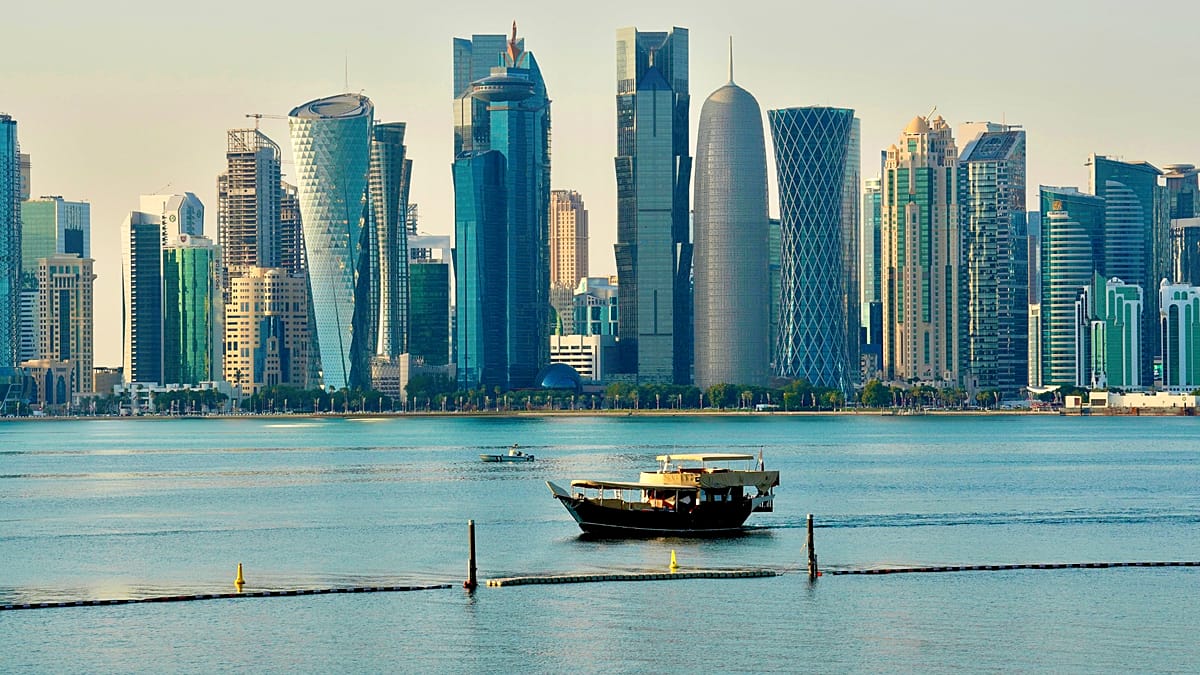
Qatar's fiscal position deteriorated sharply in the second quarter of 2026, with the budget deficit more than doubling to 21.2bn riyals (€5bn), according to figures released by the Ministry of Finance on Tuesday. The shortfall compares with a deficit of 10.3bn riyals (€2.44bn) in the first three months of the year.
Revenue for the quarter stood at approximately 25.6bn riyals (€6.06bn), while expenditure reached 46.9bn riyals (€11.1bn). The two quarterly deficits bring the first-half shortfall to 31.5bn riyals (€7.45bn), exceeding the 21.8bn riyals (€5.16bn) gap originally projected for the entire year.
The widening deficit reflects the ongoing disruption to Qatar's liquefied natural gas (LNG) exports, a key source of state income. On 28 August, Italian utility Edison announced that QatarEnergy had extended force majeure on deliveries into early November, bringing the number of affected LNG cargoes under their supply contract to 29. Edison said it could secure alternative gas supplies and continue meeting its commitments to customers.
Ship-tracking data reported on 7 September showed six empty Qatar-linked LNG carriers in the Gulf of Oman or heading towards it. Kpler data cited in the same report indicated another empty vessel had crossed the Strait of Hormuz towards Qatar. Meanwhile, 15 loaded LNG carriers remained inside the Gulf, and two empty vessels had turned back after approaching the strait. These movements alone did not confirm that regular exports had resumed.
Doha defends spending measures
In response to reports of government spending cuts, Qatari foreign ministry spokesman Majed al-Ansari disputed the figures on 25 August, saying they had been taken out of context. He stated that reported reductions of up to 30% applied only to operating expenses and excluded salaries and capital projects. He described the measures as temporary precautions introduced at the start of the regional crisis.
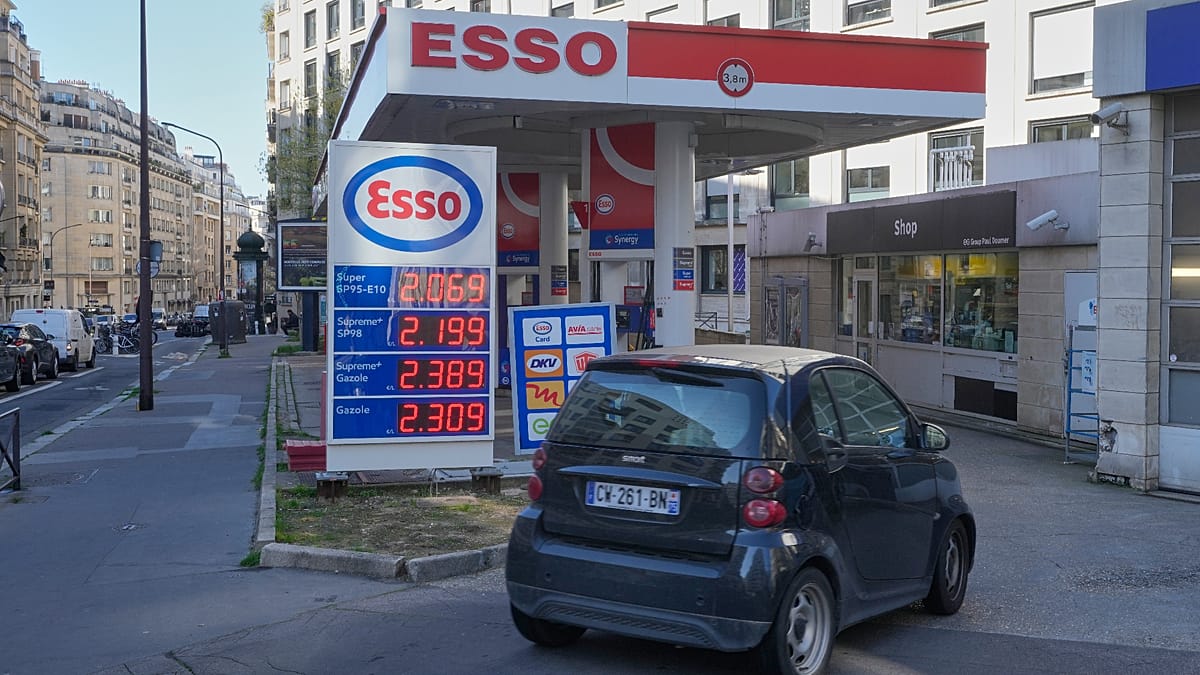
The disruption to Qatari LNG has significant implications for European energy security. Several EU member states, particularly in Southern Europe, have increased their reliance on Qatari gas since the onset of the Ukraine conflict. The extended force majeure could force utilities to seek alternative supplies, potentially at higher costs, and may complicate the bloc's efforts to phase out Russian fossil fuels.
European buyers are closely monitoring the situation, as the ship-to-ship transfers used to bypass the Hormuz blockade have not yet restored normal export flows. The prolonged disruption also raises questions about the reliability of Qatari supply, which has been a cornerstone of Europe's diversification strategy.
The fiscal strain comes at a time when Gulf states are pushing for greater self-reliance as the US security umbrella weakens. Doha's budget pressures could limit its ability to fund large-scale infrastructure projects and social programmes, which have been central to its economic diversification plans.
Analysts note that while Qatar's sovereign wealth fund provides a buffer, the prolonged deficit could force adjustments in spending priorities. The government has so far ruled out cuts to salaries and capital projects, but the first-half shortfall exceeding the full-year forecast suggests that further measures may be needed if the LNG disruption continues.
For European consumers, the immediate concern is the availability and price of gas this winter. The extension of force majeure into November means that some cargoes originally scheduled for October will be delayed, potentially tightening supply during the heating season. Utilities like Edison have assured customers they can manage, but the broader market remains sensitive to any news from the Gulf.
The situation also underscores the geopolitical fragility of energy supplies. As tensions between Doha and Tehran persist, the risk of further disruption remains. European policymakers are likely to accelerate efforts to diversify energy sources and enhance storage capacity, but these measures take time to implement.
In the meantime, Qatar's fiscal outlook will depend on the duration of the LNG disruption and the trajectory of global gas prices. The second-quarter figures serve as a stark reminder of the economic costs of regional instability, not only for the Gulf but also for Europe's energy security.