Russia's central bank has sharply downgraded its economic outlook, cutting its 2026 GDP growth forecast to a range of 0.0–1.0% and warning that inflation will accelerate faster than previously expected. The revision, announced by Bank of Russia governor Elvira Nabiullina, reflects the deepening impact of a fuel crisis that has sent prices soaring across the country.
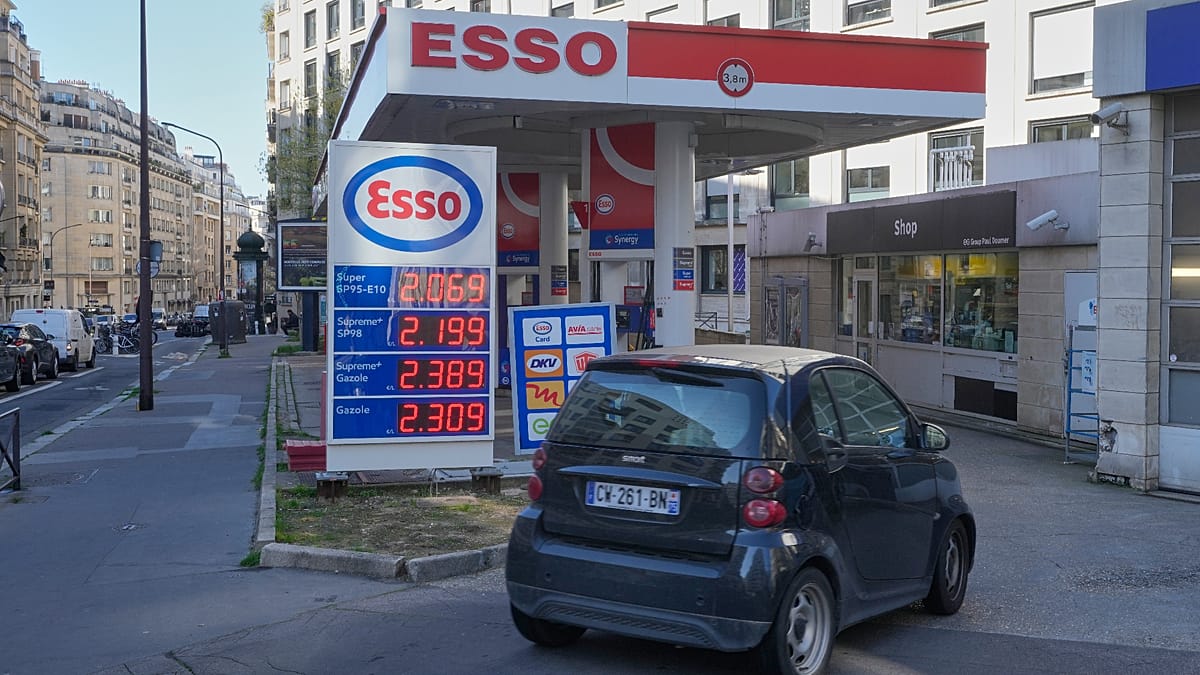
The bank now projects inflation at 6–7% in 2026, up from an earlier forecast of 4.5–5.5%. Nabiullina attributed the spike to what she called a “supply shock” triggered by a sharp rise in fuel prices since mid-May. In a press release, the regulator noted that inflation expectations among households, businesses, and financial market participants have risen, warning that “their persistence at elevated levels may impede a sustained slowdown in inflation.”
Fuel shortages and refinery strikes
The fuel crisis has been exacerbated by Ukrainian drone strikes on Russian oil refineries, part of Kyiv's campaign to disrupt the Kremlin's war logistics. In June, several Russian regions reported fuel shortages as a result of these attacks. Nabiullina acknowledged the situation, stating, “The fuel situation falls into what is known as supply shocks.”
Some independent analysts predict that inflation could climb even higher by year-end, particularly if Ukrainian forces continue to target Russian logistics hubs. The central bank itself expects that “fuel production capacity will gradually be restored by the end of the year,” but the uncertainty remains high as Ukraine persists with its long-range strikes in response to Russian attacks.
The GDP forecast for the fourth quarter of 2026 has been cut from 1.0–2.0% year-on-year to just 0.0–1.5%. Nabiullina explained that “companies expect demand to slow, as follows from the real-time data. Taking into account the temporary reduction in capacity in the economy, we have lowered our GDP growth forecast.”
The economic strain comes as the European Union continues to tighten sanctions on Moscow. The bloc recently finalised its 21st sanctions package, though internal divisions have complicated enforcement. Meanwhile, Russia has passed a law freezing assets and denying consular services to exiled dissidents, further tightening domestic control.
The fuel crisis also highlights the vulnerability of Russia's energy infrastructure. Ukrainian strikes have repeatedly hit refineries in regions such as Krasnodar and Rostov, forcing temporary shutdowns and reducing output. The resulting price hikes have rippled through the economy, affecting everything from transport to agriculture.
For European observers, the downgrade underscores the broader economic toll of the war on Russia. While the Kremlin has sought to insulate its economy through import substitution and capital controls, the latest data suggests that the cumulative impact of sanctions and military spending is taking a toll. The central bank's revised forecasts align with warnings from Western economists that Russia faces a prolonged period of stagnation.
Nabiullina, who has steered monetary policy through multiple crises, faces the challenge of balancing inflation control with the need to support growth. The bank has kept its key interest rate at 16% since December 2023, but further tightening may be necessary if inflation expectations remain entrenched.
As the war grinds on, the economic consequences for Russia are becoming increasingly apparent. The fuel crisis, driven by both external attacks and domestic capacity constraints, is likely to keep inflation elevated and growth subdued for the foreseeable future.