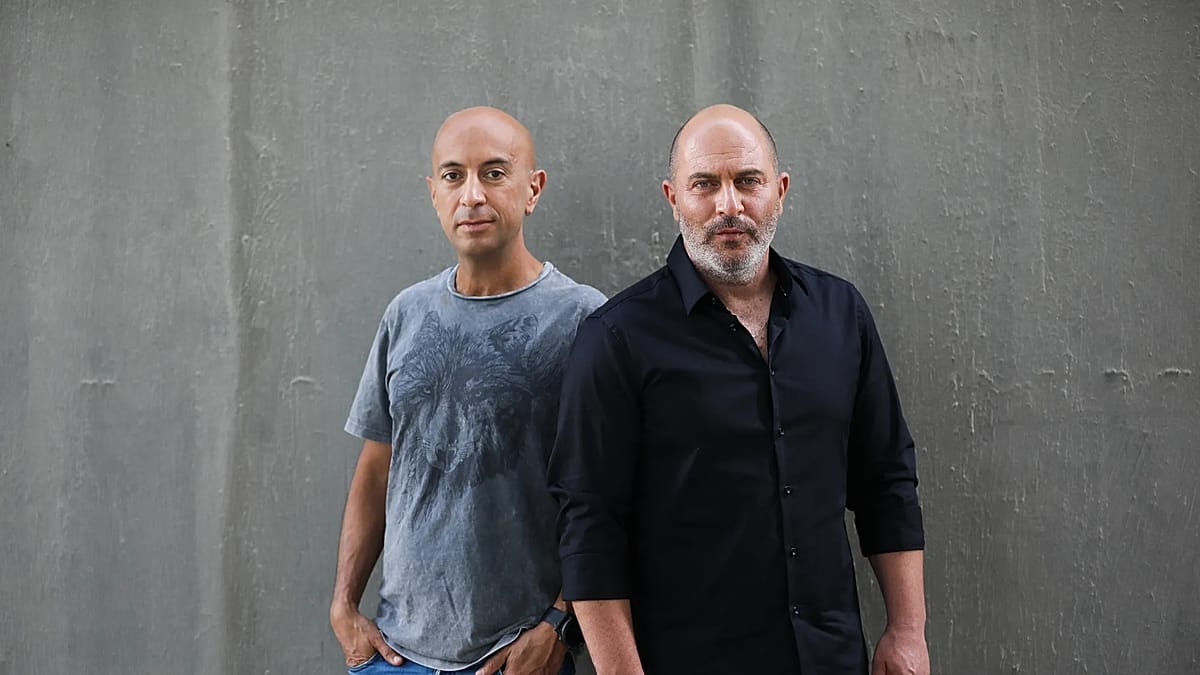
The Israeli television series Fauda has returned to Netflix with its fifth season, this time set in the aftermath of the October 7, 2023 attacks. The show, created by Avi Issacharoff and Lior Raz, has long sought to humanize the Israeli-Palestinian conflict, and the new season continues that mission by placing its characters in the chaos that followed the deadliest day in Israel's history.
The plot follows Doron Kavillio, an undercover Israeli military commander, as he pursues a Hamas operative he believed he had killed. The season also takes Doron to Marseille, France, where he discovers that an old friend has gone rogue on an unsanctioned revenge mission. This European setting adds a new dimension to the series, which has traditionally been rooted in the Middle East.
A story rooted in real events
Raz, who also plays Doron, told Netflix's companion site Tudum that the new season is not a documentary but a narrative woven into real events. "It was about trying to tell a story, to see how we can implant our characters inside those situations and in that story that really happened," he said. "So for us, it was important to be very accurate to what happened in real life, but also to put our characters into this unpredictable situation."
The October 7 attacks, in which Hamas militants killed around 1,200 people in southern Israel and took 251 hostages, triggered a massive Israeli military campaign in Gaza. According to the Hamas-run Gaza Health Ministry, more than 73,600 Palestinians have been killed in the ensuing offensive. The United Nations considers these figures reliable, and Israeli officials have acknowledged their broad accuracy.
Raz hopes the series will resonate beyond Israel and the Palestinian territories. "We know that people see this show all over the world — in the Arab world, in Israel — [and they’ll see] that the price of the war is hard, and we need to have hope to solve this situation," he said. He added that he wants viewers to understand "how peace is important, and how we need to think differently and how war is ruining the universe."
The show's return comes at a time of heightened regional tensions, with Israeli strikes in Lebanon and ongoing diplomatic friction involving Qatar and Iran. The conflict has also had ripple effects in Europe, where twelve nations have imposed trade sanctions on Israeli settlements in the West Bank.
Fauda has always been a show that refuses easy answers, and the fifth season appears to double down on that approach. By setting the story two years after the attacks, the creators are able to explore the long-term consequences of violence, both for individuals and for societies. The inclusion of Marseille also allows the series to examine how the conflict spills beyond the Middle East, affecting European cities with significant Jewish and Arab populations.
For European audiences, the show offers a rare glimpse into the human cost of a conflict that often dominates headlines but remains abstract. Raz's comments underscore the show's intent: not to take sides, but to show the devastation that war brings to everyone involved. "It’s ruining our region, it’s ruining our country, and their countries, for sure," he said.
As Fauda continues to draw global viewers, its message about the futility of war and the necessity of peace is more relevant than ever. The series, now streaming on Netflix, invites audiences to confront uncomfortable truths about the cycle of violence and the slim hope for reconciliation.