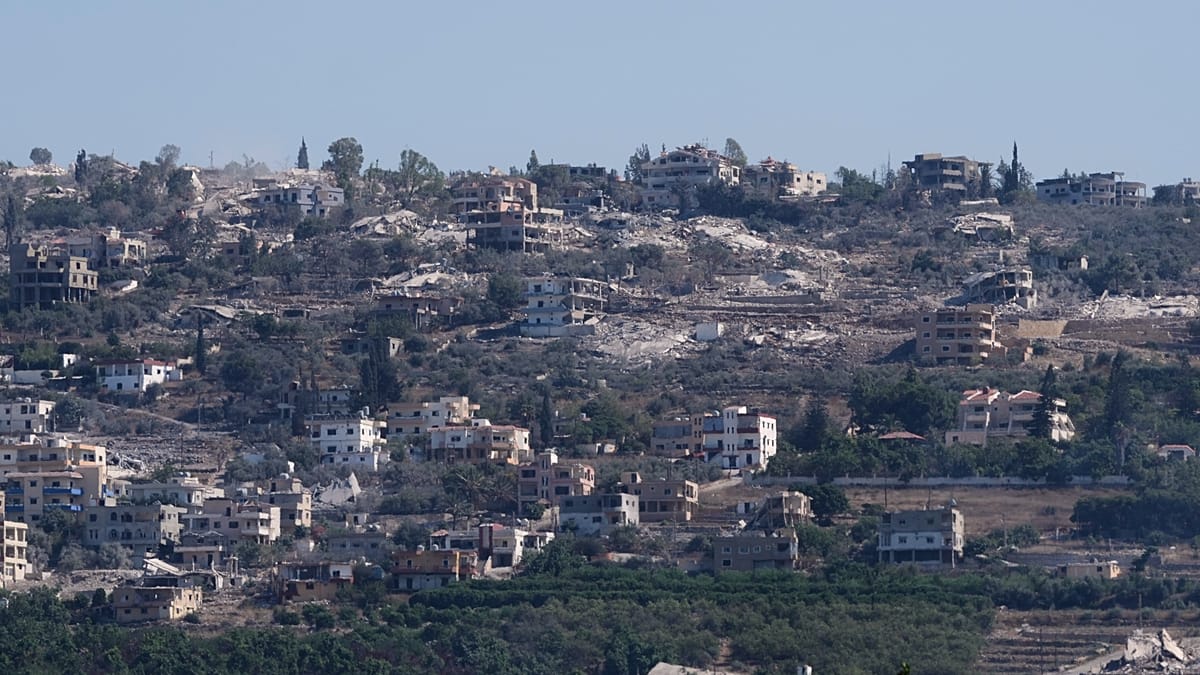
At least three people were killed in Israeli strikes on southern and eastern Lebanon overnight, according to Lebanon's health ministry. The strikes hit multiple locations across the Nabatieh and Tyre districts as well as the Bekaa Valley, marking another escalation in the long-running confrontation between Israel and Hezbollah.
The ministry said one person died and 15 others were injured in a strike on the town of Ramadiyah in the Tyre district. Two more fatalities were reported in the Nabatieh region. In total, five locations were targeted across the three areas, the ministry added.
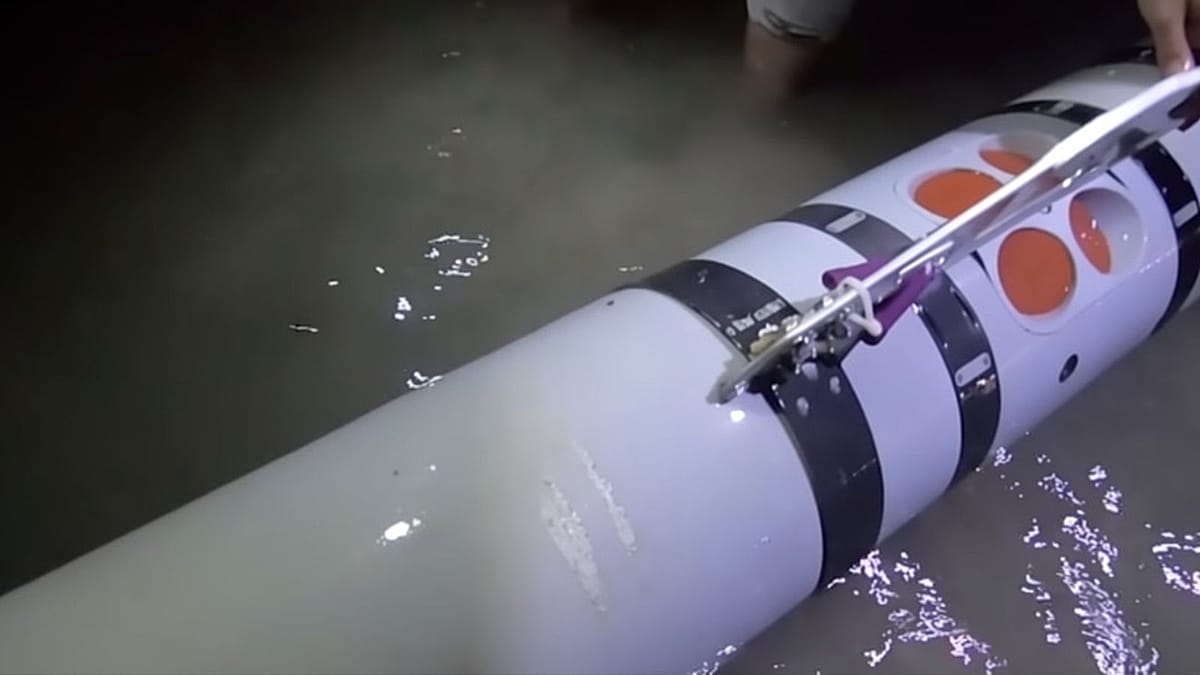
The Israel Defense Forces (IDF) said in a statement on Saturday that it had struck Hezbollah infrastructure in southern Lebanon "in response to Hezbollah’s attempted attack yesterday against IDF troops operating in the security zone, during which a drone was launched toward troops." The military said the strikes hit "weapons storage facilities" used by the Iran-backed group, and released video footage appearing to show one of the attacks.
The security zone refers to a buffer area inside Lebanese territory that Israel has occupied since its ground offensive began in late September. The zone has become a flashpoint for daily exchanges of fire, with Hezbollah launching rockets and drones at Israeli positions and Israel responding with airstrikes and artillery.
Israeli Prime Minister Benjamin Netanyahu said on Friday that military operations "to thwart terrorism" were continuing with "full force" in Lebanon, Gaza and the West Bank. His comments came as Israel faces mounting international pressure to de-escalate, particularly from European capitals concerned about the widening regional conflict.
European stakes in the conflict
The escalation carries direct implications for Europe. The European Union has repeatedly called for restraint and a ceasefire, while several member states, including France and Italy, have contributed troops to the United Nations Interim Force in Lebanon (UNIFIL), which operates in the same areas now being hit by Israeli strikes. European diplomats have warned that a full-scale war between Israel and Hezbollah could trigger a new wave of refugees toward the EU's southern flank.
In recent weeks, the conflict has already spilled into European airspace and politics. Iran's retaliatory strikes on US bases have heightened fears of a broader Middle East war, while US strikes on Iranian targets have further complicated diplomatic efforts. European leaders have been shuttling between Beirut, Tel Aviv and Tehran, but so far without a breakthrough.
The conflict between Israel and Hezbollah began in March, when the group launched rocket attacks against Israel in retaliation for the killing of former Iranian Supreme Leader Ayatollah Ali Khamenei. Since then, the two sides have engaged in near-daily exchanges, with Hezbollah firing thousands of rockets and drones into northern Israel, and Israel responding with strikes deep into Lebanese territory.
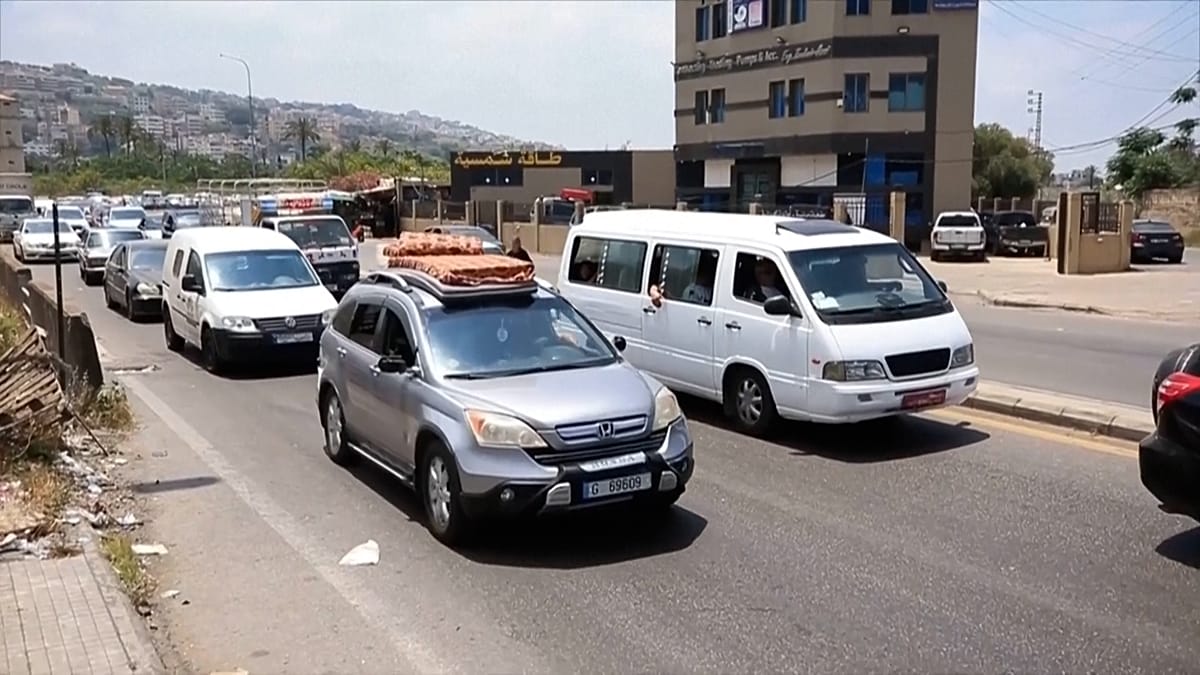
In Lebanon, the human cost has been severe. According to the Lebanese health ministry, more than 3,000 people have been killed and over 13,000 wounded since the start of the conflict. The strikes have also displaced hundreds of thousands of civilians, many of whom have fled to Beirut and other cities, straining an already fragile economy.
For Europe, the crisis is not just a humanitarian concern but also a strategic one. The EU has imposed sanctions on individuals and entities linked to Hezbollah's military wing, while also providing humanitarian aid to Lebanon. At the same time, European countries have been working to prevent the conflict from spreading to other fronts, including the Red Sea, where Houthi attacks have disrupted shipping lanes vital to global trade.
As the violence continues, European officials are urging both sides to return to the ceasefire agreement brokered by the United States and France in November. That agreement, which ended a 14-month war, called for Hezbollah to withdraw its forces north of the Litani River and for Israeli troops to pull back from Lebanese territory. However, both sides have accused each other of violating the terms.
The latest strikes come amid a broader pattern of escalation. Israeli airstrikes in Gaza City have also killed at least five people, according to medics, as Netanyahu's government presses its campaign against Hamas and other militant groups. The simultaneous conflicts have raised fears of a multi-front war that could destabilize the entire region.
European diplomats are now pushing for an emergency meeting of the UN Security Council to address the situation. France, which holds significant influence in Lebanon, has proposed a new resolution demanding an immediate ceasefire and the full implementation of Resolution 1701, which ended the 2006 war between Israel and Hezbollah. Whether such efforts can succeed remains uncertain, as both sides appear determined to continue fighting.