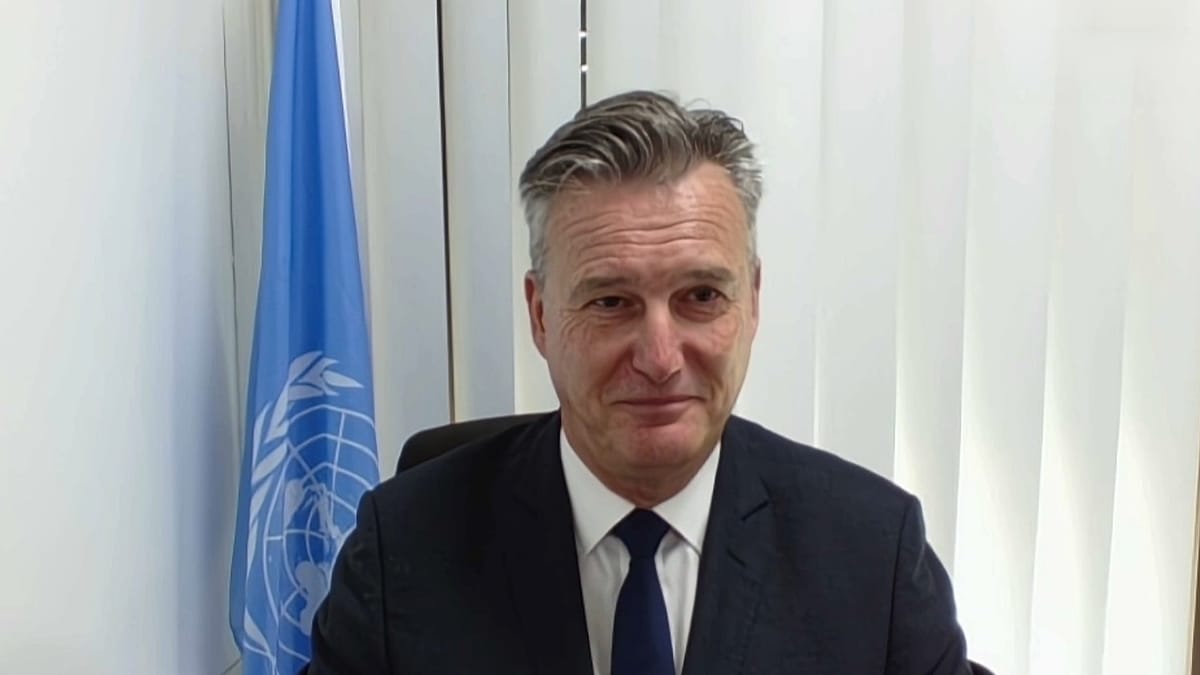
Hervé Lecoq, the deputy head of mission for the United Nations Interim Force in Lebanon (UNIFIL), has offered a sobering assessment of the prospects for peace between Israel and Hezbollah. Speaking to reporters, Lecoq described the current situation as very complicated and cautioned that meaningful change is unlikely in the near term.
UNIFIL, which has been deployed in southern Lebanon since 1978, operates under a mandate to monitor the cessation of hostilities and assist the Lebanese Armed Forces. However, Lecoq was clear that the mission's role is limited. 'We cannot force an agreement,' he said, emphasising that any breakthrough depends entirely on the political will of both Israel and Hezbollah.
Stalemate and Regional Tensions
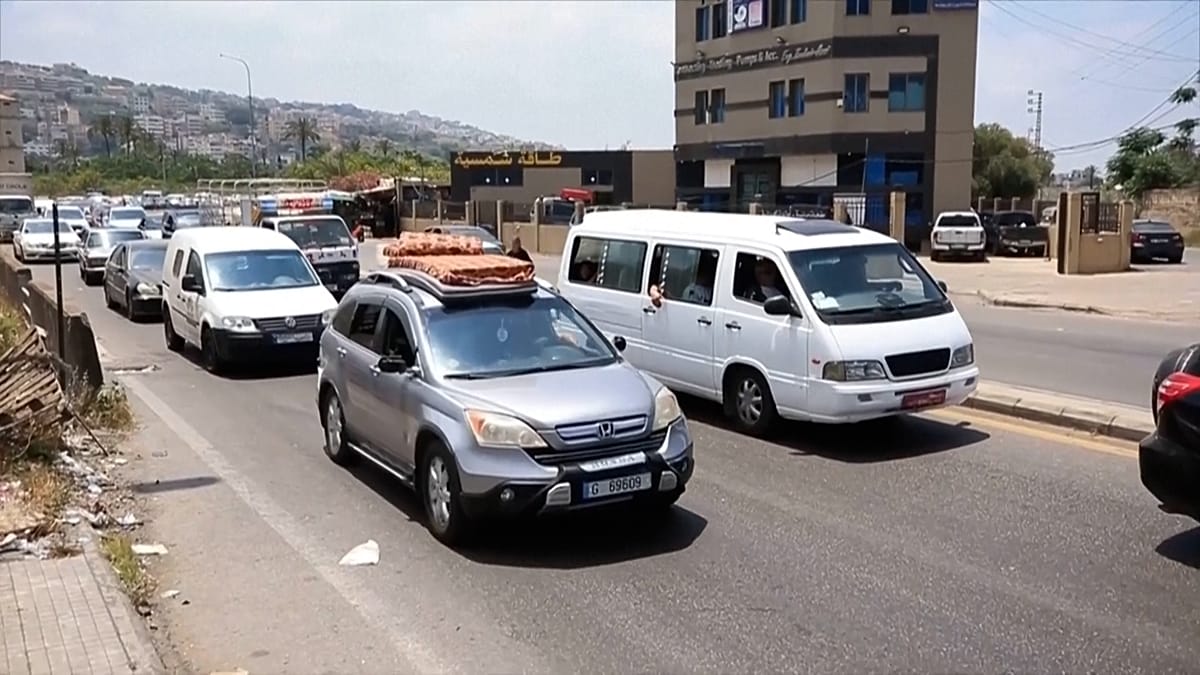
The comments come amid heightened tensions along the Blue Line, the UN-drawn boundary between Israel and Lebanon. Sporadic exchanges of fire and rhetoric have raised fears of a broader escalation. Lecoq's remarks underscore the difficulty of achieving a durable ceasefire when the underlying political drivers remain unresolved.
The conflict has already had ripple effects across Europe. The European Commission has warned that the Middle East conflict threatens up to 1.3 million EU jobs, particularly in sectors reliant on stable energy supplies and trade routes. Meanwhile, air traffic between Europe and the region has dropped for the first time since the pandemic, as airlines suspend flights and reroute planes.
Lecoq's assessment aligns with views from other regional observers. A former Lebanese deputy prime minister recently told European Pulse that there is no trust in any side to halt the border conflict, pointing to deep-seated grievances and a lack of credible intermediaries.
UNIFIL's Limited Leverage
UNIFIL's mandate, renewed annually by the UN Security Council, includes monitoring the cessation of hostilities, supporting the Lebanese army, and facilitating humanitarian access. But the mission has no enforcement powers. Lecoq's frank admission that UNIFIL cannot compel a peace deal highlights a structural weakness in international peacekeeping: blue helmets can observe and report, but they cannot substitute for political negotiation.
The deputy head also noted that the situation on the ground remains fragile. 'We see the difficulties every day,' he said, referring to violations of the cessation of hostilities and the continued presence of armed groups outside state control. He called for renewed diplomatic efforts but offered no timeline for progress.
For European policymakers, the impasse poses a strategic dilemma. The EU has long supported UNIFIL both financially and politically, and several member states contribute troops. Yet the mission's inability to deliver a breakthrough raises questions about the effectiveness of the current approach. Some analysts argue that Europe should push for a more robust political track, perhaps through the European External Action Service, to complement UNIFIL's military observer role.
Lecoq's message is clear: without genuine commitment from the parties themselves, no outside force can impose peace. For now, the region remains locked in a cycle of tension and sporadic violence, with little prospect of a swift resolution.