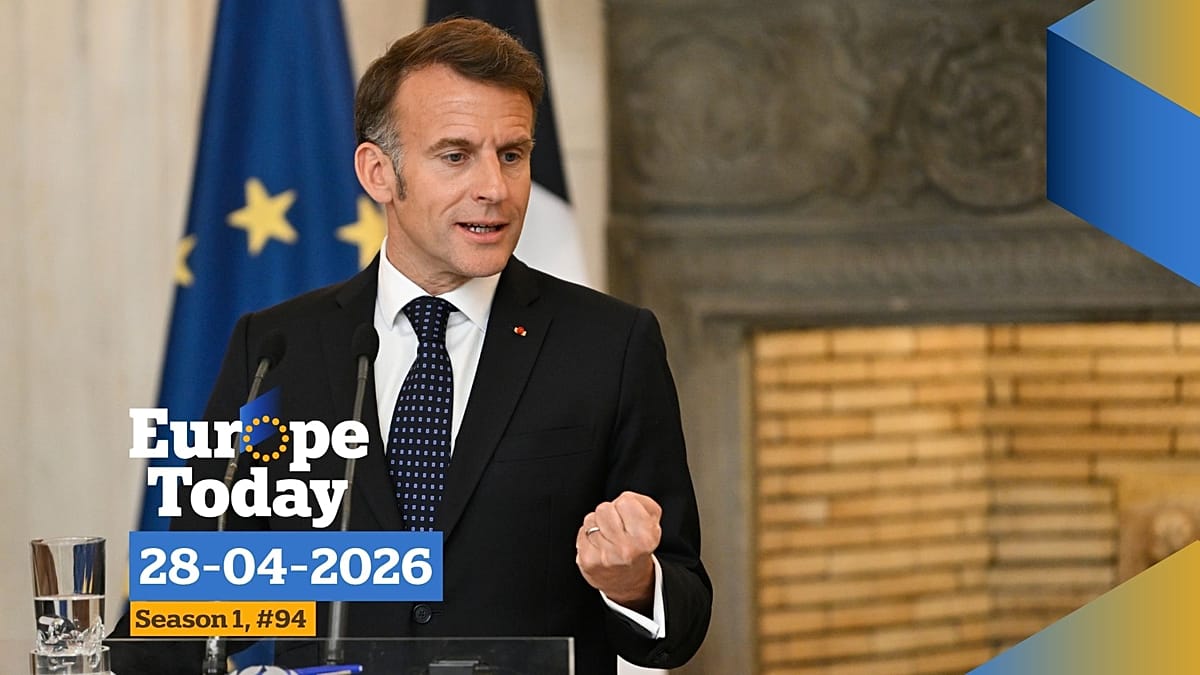
French President Emmanuel Macron has once again thrown his weight behind the idea of Eurobonds — joint debt issued by all 27 EU member states — as a tool to address the continent's deepening energy crisis. Speaking on the sidelines of a European summit in Brussels, Macron argued that collective borrowing would allow the Union to finance massive investments in energy infrastructure and shield households from soaring prices.
The proposal, however, has met with a cool reception in several EU capitals and within the European Commission. Critics point to the legacy of the pandemic-era NextGenerationEU recovery fund, which was itself a form of joint debt, and argue that another round of mutualisation would blur fiscal discipline and reward profligate spending.
Energy Crisis Exposes Fault Lines
Europe's energy landscape has been transformed by the war in Ukraine, with gas prices still elevated and winter approaching. Countries like Italy, the most exposed EU nation to fossil fuel shocks, have been vocal in demanding a coordinated European response. Rome has urged a united energy transition, warning that fragmented national measures will only deepen inequalities.
Macron's renewed call comes as Spain, France, and Portugal race to expand renewables, but the pace of deployment varies widely. The French president has framed Eurobonds as a way to accelerate investment in nuclear power, renewables, and grid modernisation across the bloc.
Yet the so-called 'frugal' states — led by Germany, the Netherlands, and Austria — remain deeply sceptical. They argue that joint debt should remain an exceptional measure, not a permanent fixture of EU governance. Berlin, in particular, has signalled that it prefers targeted national subsidies and bilateral energy deals over a new round of collective borrowing.
Brussels Wary of Precedent
Inside the European Commission, officials are cautious. While the executive has not formally ruled out the idea, sources indicate that any new debt issuance would require unanimous approval from member states — a high bar given the current political climate. The Commission is instead focusing on its AccelerateEU plan, which aims to fast-track permitting for renewable projects and mobilise private capital.
MEP Abir Al-Sahlani, a Swedish member of the Renew Europe group, told Euronews from Strasbourg that the debate reflects a deeper tension. “We need solidarity, but we also need accountability. Eurobonds cannot become a blank cheque for countries that refuse to reform their energy markets,” she said.
The energy crisis is not the only challenge facing the EU. Tensions in the Middle East continue to roil global markets, with the Strait of Hormuz standoff stranding thousands of seafarers and disrupting energy flows. Meanwhile, China has slammed the EU's 'Made in Europe' strategy, accusing Brussels of protectionism as the bloc seeks to reduce its dependence on Chinese supply chains.
Football as a Mirror of European Capitalism
In a lighter but no less revealing segment, Euronews' Jakub Janas examined the business models behind the four Champions League finalists. The analysis showed how modern football reflects broader trends in European capitalism — from state-backed clubs to private equity ownership. The piece underscored how the sport has become a laboratory for financial innovation, for better or worse.
As the EU debates its energy future, the Eurobond question remains a litmus test for how far member states are willing to go in pooling sovereignty. Macron's push may have revived the conversation, but the path to joint debt is as fraught as ever.