The European Union is facing renewed pressure on energy security as fossil fuel imports have climbed by €24 billion since the onset of the US-Iran conflict, with oil prices rising 60 percent and gas 70 percent. In response, the European Commission has unveiled AccelerateEU, a comprehensive plan to shield citizens and businesses from supply disruptions and price volatility.
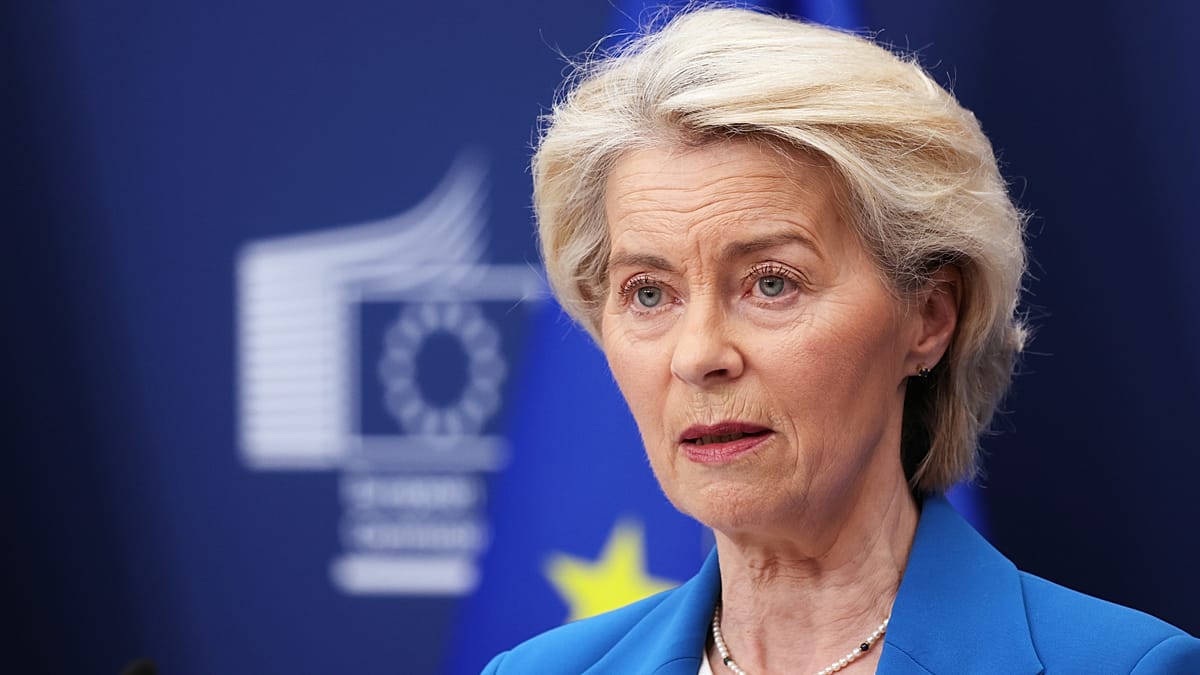
Presented by Commission President Ursula von der Leyen on 22 April, AccelerateEU is the bloc's second major energy strategy since REPowerEU in 2022. The plan aims to deliver both immediate relief and long-term structural reforms, von der Leyen stated, as Europe grapples with the fallout from geopolitical tensions and market instability.
Key Measures to Bolster Energy Security
AccelerateEU prioritises coordinated gas storage among member states, easing state aid rules to allow national governments to support vulnerable households through income schemes, energy vouchers, and lower excise duties. Brussels is urging capitals to act swiftly to mitigate the impact of soaring prices—Euro-super 95 petrol now averages €1,827.36 per litre across the EU, with diesel at €2,007.67, according to the European Commission's Weekly Oil Prices Bulletin of 23 April.
The plan also introduces an Electrification Act to shift transport, industry, buildings, and heating away from fossil fuels toward electricity, reducing import dependence. Increasing energy efficiency to curb demand is another pillar, alongside a push to raise the share of renewable energy generation from 70 percent to higher levels.
To ensure the grid can handle the influx of renewables, the Commission has moved forward the adoption of the Grids Package to summer 2026, accelerating modernisation of Europe's 11-million-kilometre energy infrastructure. A new Fuel Observatory will monitor imports and exports of transport fuels, issuing early warnings to member states in case of shortages.
Investment and Geopolitical Context
The EU plans to boost private investment through high-level events such as the Clean Energy Transition Investment Forum in May 2026 and the Clean Energy Investment Summit later this year. These efforts come as the bloc seeks to diversify supply routes, with the Caspian region emerging as a key transit hub for energy diversification, as highlighted in recent analyses.
Italy, one of the EU nations most exposed to fossil fuel shocks, has urged a united European energy transition to reduce vulnerability. The ongoing blockade of the Strait of Hormuz continues to threaten shipping safety and drive up prices, underscoring the urgency of the plan.
Critics argue that AccelerateEU must deliver tangible results quickly, given the scale of the challenge. The EU's reliance on imported fossil fuels remains a strategic weakness, and while renewables offer a path forward, infrastructure bottlenecks and investment gaps persist. The Commission's roadmap is a step in the right direction, but its success will depend on member states' willingness to coordinate and implement reforms at pace.