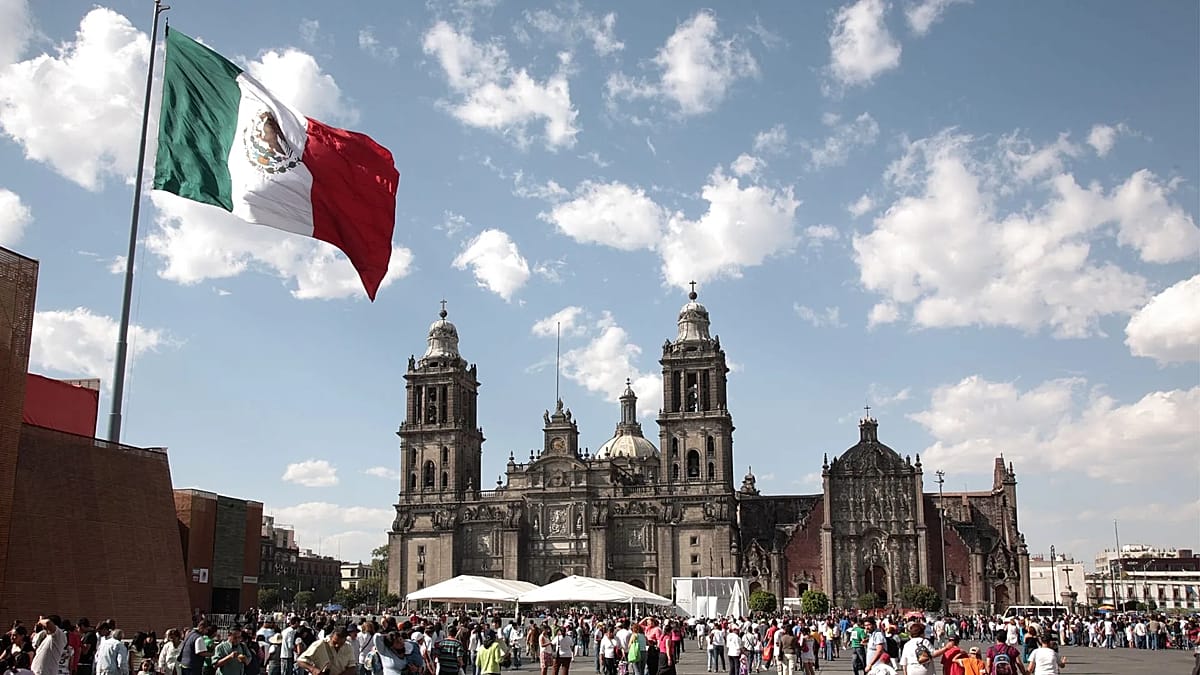
The 2026 FIFA World Cup is set to transform tourism in Mexico, but not just through match-day crowds. A growing wave of European digital nomads is arriving weeks or months early, blending remote work with the tournament experience. Cities like Mexico City, Guadalajara, and Monterrey are becoming hubs for this new breed of traveler, who stays longer, spends more distributedly, and reshapes urban dynamics.
A New Kind of World Cup Tourist
Unlike conventional tourists who visit for a few days, digital nomads are settling temporarily, working from coworking spaces and short-term rentals while immersing themselves in the World Cup atmosphere. This trend aligns with a broader global shift: over 60% of professionals now seek flexible, remote-friendly lifestyles, according to recent studies. The World Cup acts as a catalyst, accelerating a transformation already underway in Mexico's tourism sector.
Adriana Vega, Querétaro's Secretary of State for Tourism, sees this as a major opportunity. "The World Cup has put us on the map and opened a door to European tourism," she told European Pulse. Vega reports a 16% increase in Spanish arrivals to Querétaro in the first quarter of 2026, with air connectivity from Madrid boosted by two direct Iberojet flights. "We are creating packages so that they can enjoy combined experiences of culture, sport, and even the beach, creating tourist corridors and connecting with other states by working as a team," she added.
This trend is not limited to Querétaro. Across Mexico's three main host cities, demand for temporary rentals, coworking spaces, and services tailored to extended stays is rising steadily. Unlike mass tourism, this profile generates a more distributed economic impact: digital nomads consume local services, use urban transport, participate in professional communities, and stimulate sectors like restaurants and flexible housing.
Spaniards Lead the European Charge
Data from Airbnb shows that Spanish travelers are among the most active groups during the World Cup. They visit an average of nearly four destinations per trip and stay around 18 nights total, a pattern that fits perfectly with the digital nomad lifestyle: mobility, long stays, and a blend of leisure and work. Interest in matches in Guadalajara, including those of the Spanish national team, further boosts Mexico's appeal on their itineraries.
The economic impact is substantial. Estimates suggest the World Cup will generate billions of dollars in host cities, with a significant portion coming from these long-stay travelers. This shift is also influencing sectors like mid-stay rentals and coworking spaces, which are adapting to meet the needs of a connected, mobile workforce.
This phenomenon echoes broader trends in global tourism, where destinations are rethinking their offerings. For instance, Athens Mayor Proposes Hotel Permit Freeze to Avoid 'Barcelona-Style' Overtourism highlights how European cities are grappling with similar pressures. Meanwhile, Cruise Tourism Generates One Job per 20 Passengers, WTTC Report Shows underscores the varying economic impacts of different travel models.
A Structural Shift in Tourism
Beyond the numbers, this trend signals a structural transformation: tourism is no longer a one-off experience but a temporary way of life. The convergence of remote work and major sporting events marks a turning point. The World Cup will not only attract millions of fans but also a global community that redefines how we travel, consume, and inhabit destinations.
In this new scenario, Mexico competes not just as a sporting venue but as a living and working platform for a generation that is connected, flexible, and on the move. As European digital nomads continue to flock to its cities, the country is positioning itself at the forefront of a travel revolution that blends work, leisure, and sport.
This shift also raises questions about sustainability and local impact, similar to debates in Europe. For example, Kazakhstan Expands Protected Lands to Rival Italy in Size, Boosting Eco-Tourism shows how other regions are balancing growth with conservation. As Mexico embraces this new tourism model, it will need to manage the influx carefully to ensure long-term benefits for local communities.