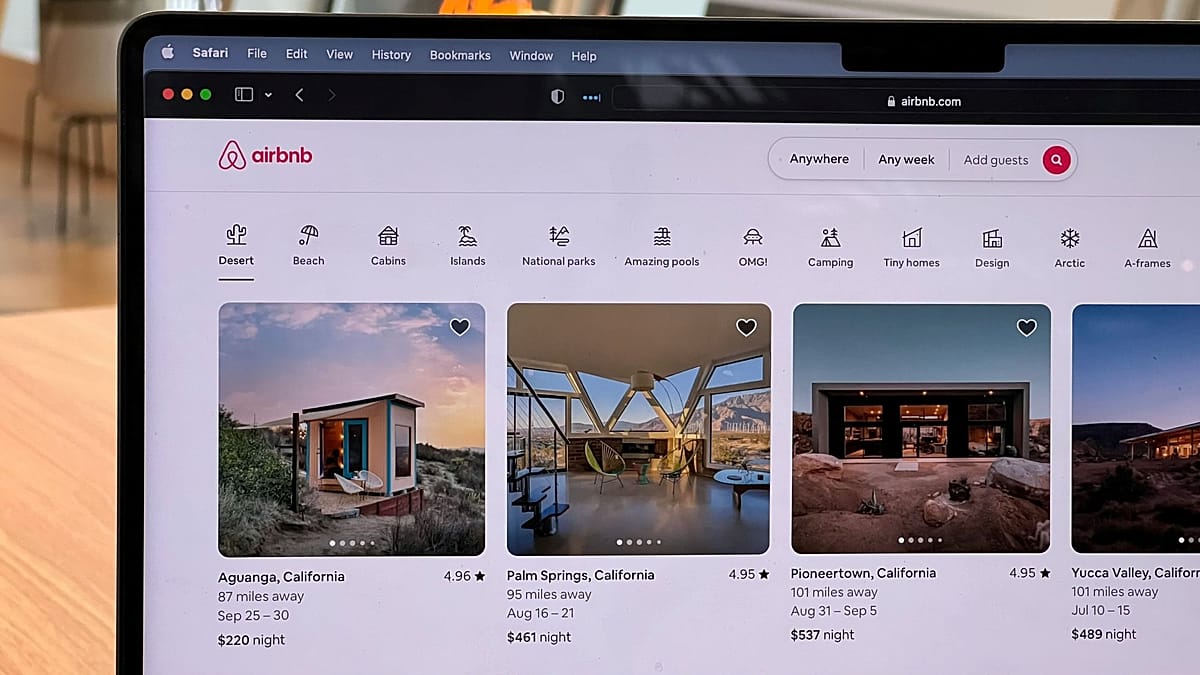
Airbnb has quietly rewritten its house rules, and the reaction from its host community is anything but quiet. From 20 November, hosts on the short-term rental platform will no longer be allowed to ask guests to perform tasks that require “significant effort or time” – a category that includes stripping bed linens, doing the washing up, or hauling out the rubbish. The change, first reported by Euronews Travel, has been met with relief from travellers and outright fury from a vocal slice of the hosting community.
For years, guests have complained about checkout checklists that read more like a cleaning rota than a holiday farewell. Social media has been flooded with photos of exhaustive demands – from scrubbing ovens to vacuuming under sofas – often posted with a mix of disbelief and exasperation. Under the new policy, such requests are no longer permissible. Guests can still be asked to leave dirty dishes in the sink, but they cannot be required to wash them.
Hosts threaten boycott
The backlash from hosts has been swift and, in some corners, organised. On Reddit’s r/AirbnbHosts forum, threads have appeared calling for a coordinated boycott of the platform timed to coincide with the rule change. One host wrote that they would “sign up for another platform if one becomes available”, while another complained specifically about the ban on asking guests to clean dishes during longer stays, arguing that a week’s worth of crusty plates is a different proposition from a weekend’s.
Yet the outrage is far from universal. A number of hosts have come out in favour of the changes, suggesting that the new rules will punish the “bad hosts” who give the entire platform a bad name. One of the most upvoted posts on the same subreddit notes that the new rules mean “nothing” to the average host, because most “don’t require or ask significant effort from our guests”. Another user, who identifies as both a guest and a Superhost, argued that the policy will improve the platform for the majority at the expense of a few “rotten apples”.
The split reflects a broader tension within Airbnb’s ecosystem. The company has long positioned itself as a middle ground between hotels and home-sharing, but the line between guest and unpaid cleaner has often blurred. For every host who treats their property as a professional business, there is another who sees it as a personal space deserving of respect – and a bit of elbow grease.
What exactly changes?
Under the revised rules, hosts can no longer require guests to undertake tasks that “would typically be performed by a cleaner”. That includes vacuuming, mopping, wiping down surfaces, and – most controversially – loading and running the dishwasher. Guests may still be asked to leave the property in a tidy state, but the definition of “tidy” has been narrowed. Requests must now be “reasonable” and “with no surprises”, according to Airbnb’s statement.
In a statement shared with Euronews Travel, Airbnb said: “House rules help guests understand what hosts expect, but we've heard from our community that they can be confusing, onerous and hard to manage. So we've redesigned them to make them easier to discover and clearer to set, alongside a new policy that keeps requests reasonable, with no surprises.”
The company has also redesigned how house rules are displayed, making them more prominent in listings and easier for guests to review before booking. The hope, presumably, is that clearer expectations will reduce disputes at checkout – and, just as importantly, reduce the number of negative reviews that stem from chore-related disagreements.
For travellers, the change is a clear win. It aligns with a broader trend in the short-term rental industry, where platforms like Vrbo and Booking.com have long avoided asking guests to do more than basic tidying. It also brings Airbnb closer to the hotel experience, at least in terms of what is expected at the door.
For hosts, the calculus is more complicated. Many rely on cleaning fees to cover the cost of professional cleaners, and the new rules may force them to raise those fees or absorb the extra work themselves. Others worry that the ban on dishwashing, in particular, will lead to unpleasant surprises for the next guest – a sink full of dirty plates is hardly a welcoming sight, even if it is now permitted.
The boycott calls, however, may be more symbolic than effective. Airbnb’s network effects are strong, and hosts who leave the platform risk losing access to a global pool of travellers. Still, the discontent is real, and it echoes a wider debate about the gig economy and the expectations placed on both sides of the marketplace.
As the 20 November deadline approaches, the question is whether Airbnb’s new rules will ease tensions or simply shift them. For guests, the answer is likely a sigh of relief. For hosts, it may be a moment to reconsider what they are really offering – and what they are really asking for in return.