The ongoing conflict in the Middle East continues to reverberate through Europe's aviation sector, with jet fuel prices reaching unprecedented levels. According to the International Air Transport Association (IATA), prices have risen by 105.7% compared to last year, prompting carriers across the continent to ground aircraft, suspend routes, and pass on costs to travellers.
Several major airlines have recently announced significant schedule changes, affecting both short-haul and long-haul operations. The moves come just ahead of the peak summer season, raising concerns about travel affordability and connectivity.
Transavia and KLM Scale Back Operations
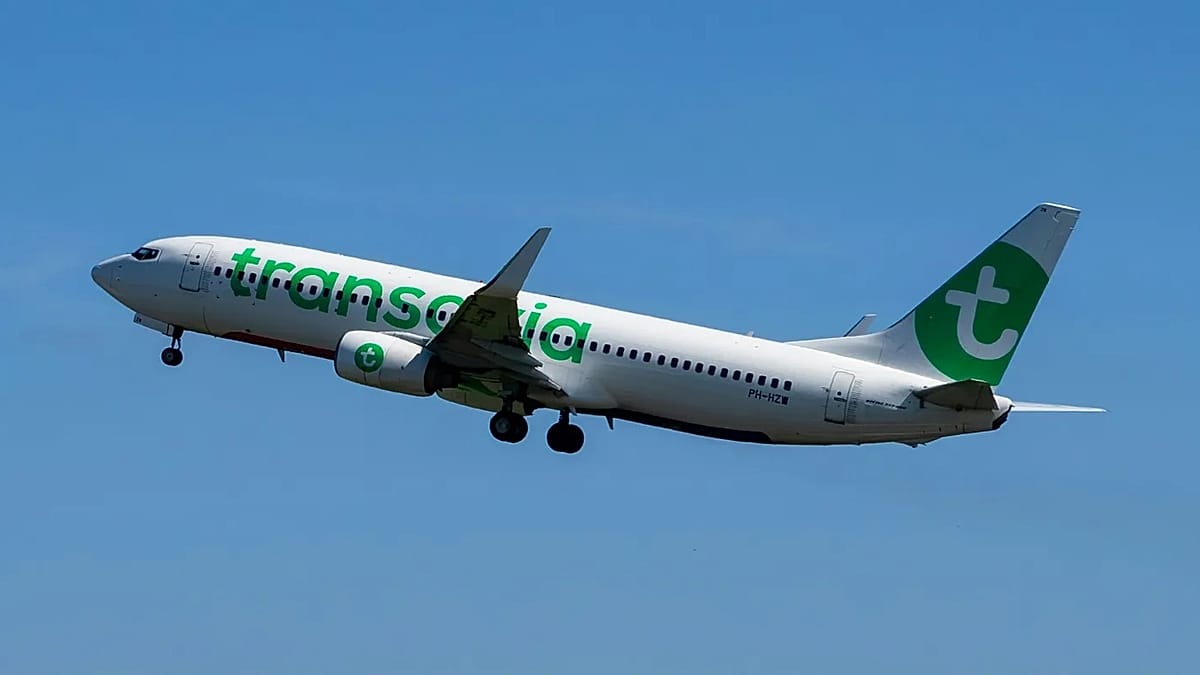
Transavia, the low-cost subsidiary of Air France-KLM, is cancelling a number of flights between May and June. The Dutch carrier cited “the current geopolitical context in the Middle East and its repercussions on the price of aviation fuel” as the reason. Affected passengers will be offered a voucher, a full refund, or free rebooking within 24 hours for most cancelled services, though the airline has not specified which routes are impacted.
KLM itself previously announced the cancellation of 160 flights to and from Amsterdam's Schiphol Airport in May, representing less than 1% of its European operations for the month. The airline pointed to rising kerosene costs that made those flights financially unviable.
Turkish Airlines Suspends 18 Routes
Türkiye's flag carrier is reportedly suspending 18 flight routes and reducing frequencies across its network, according to Aeroroutes, an independent schedule tracking platform. The changes affect summer and early winter schedules, with suspensions beginning in May and June. Routes span Europe, Africa, and Asia, including Istanbul to Hurghada, where the last flight is scheduled for 2 June and all 2027 services have been removed.
Suspended destinations include Aqaba, Billund, Bissau, Ferghana, Freetown, Havana, Hurghada, Juba, Kinshasa, Kirkuk, Leipzig/Halle, Libreville, Luanda, Lusaka, Monrovia, Najaf, Pointe Noire, and Turkistan. In Sarajevo, three weekly services will cease from July, while Zagreb will see a reduction from two to one weekly service starting in June.
Ver Angola reported that the Portuguese National Civil Aviation Authority was notified of the suspension of flights to Luanda from 3 May until 25 November, with a view to resuming “as soon as circumstances allow.”
Just last month, Turkish Airlines had announced new routes to London Stansted with 15 weekly frequencies, highlighting the volatile nature of the current market.
Meanwhile, SunExpress, a joint venture between Turkish Airlines and Lufthansa, will introduce a €10 “temporary fuel surcharge” on all tickets from May for flights from Türkiye to Europe. According to The Independent, passengers booking on or after 1 April for travel from 1 May onwards will face the additional fee.
Lufthansa and the Broader Impact
Lufthansa earlier this month grounded 20,000 flights in an effort to curb jet fuel costs. The German carrier's move underscores the severity of the crisis, which is affecting both legacy and low-cost airlines. The situation has also drawn comparisons to earlier predictions by Ryanair CEO Michael O'Leary, who warned that two or three European airlines could collapse this winter due to rising costs and operational pressures. That forecast now appears prescient.
The fuel price surge is also straining broader European energy markets, as seen in renewed debates over joint EU borrowing to manage energy costs. French President Emmanuel Macron has revived calls for Eurobonds to address the crisis, though consensus remains elusive.
What This Means for Travellers
For passengers, the immediate impact includes higher fares and reduced choice. However, not all tour operators are passing on the full cost. German tourism giant TUI has confirmed it will not increase prices for customers who have already booked. “Our teams are here to support people who are thinking about booking, and those who have already booked with TUI can be reassured that their holiday price is fixed, with no fuel surcharges added,” said Neil Swanson, managing director of TUI UK & Ireland.
As the summer season approaches, travellers are advised to monitor airline announcements and consider flexible booking options. The crisis may also accelerate the shift towards more fuel-efficient aircraft and alternative energy sources, though such transitions take years. For now, Europe's skies are becoming more expensive and less connected.