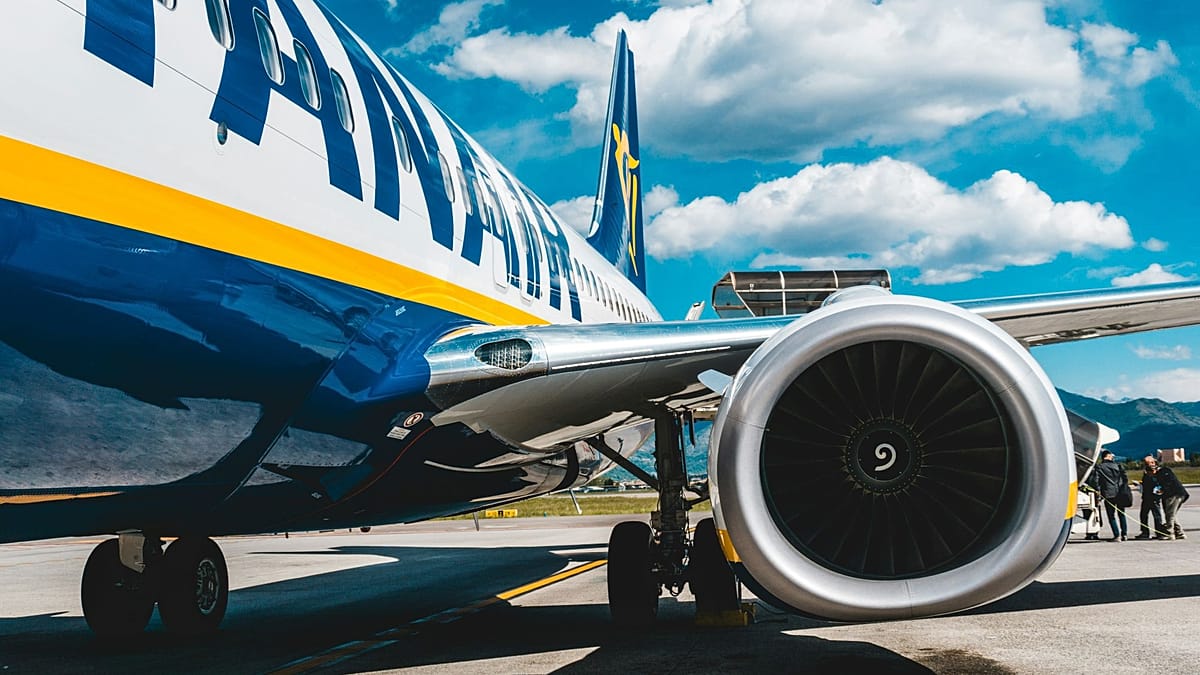
Michael O'Leary, the outspoken chief executive of Ryanair, has predicted that two or three European airlines could face bankruptcy before the end of this year, citing the sharp rise in oil prices driven by the conflict in the Middle East. Speaking to Italian newspaper Il Sole 24 Ore, O'Leary singled out Wizz Air and airBaltic as carriers he believes are particularly vulnerable.
“If oil stays at these levels, two or three European airlines in October or November could go bankrupt like Wizz Air, which wants to sue me but won't have enough time to do so, and airBaltic,” O'Leary said. He added that such failures would be “a good thing for our business” because it would reduce competition.
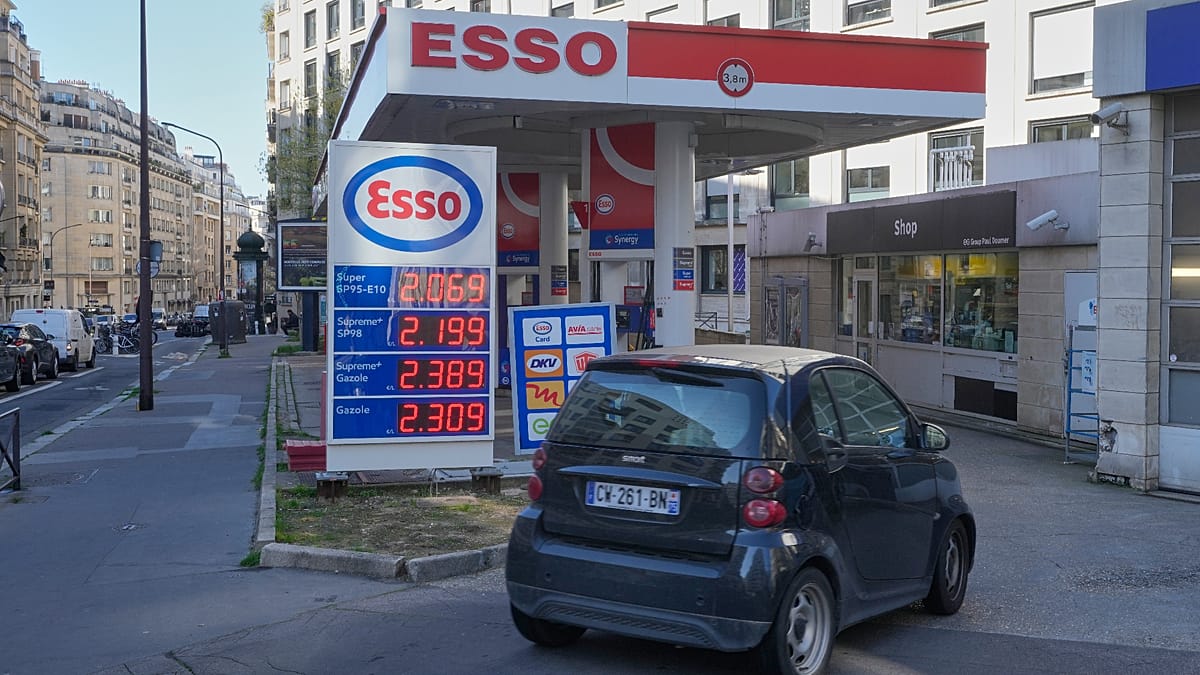
Ryanair, Europe's largest airline by passenger numbers, has already felt the pinch. O'Leary noted that the Iran war has cost the carrier an extra $50 million (€42.6 million) in fuel costs in April alone. The broader industry is grappling with a jet fuel crisis that has forced several airlines to cut routes and raise fares.
Latvia Steps In to Support airBaltic
Earlier this month, Latvia's parliament, the Saeima, approved a €30 million short-term loan to airBaltic to “mitigate the negative impact of the conflict in the Middle East region on the company's financial situation.” The loan must be repaid by 31 August of this year. airBaltic is Latvia's flag carrier and is majority-owned by the Latvian government, with Lufthansa Group holding a 10% minority stake. The airline operates its main hub in Riga, with additional bases in Tallinn, Vilnius, and Tampere, Finland, serving short-haul routes across Europe, North Africa, and the Middle East.
The loan underscores the precarious position of smaller European carriers that lack the financial buffers of larger competitors. O'Leary's comments come amid broader industry turbulence, including Ryanair's own decision to shut its Berlin base, citing high costs and a drop in traffic.
Wizz Air Fires Back
Wizz Air has strongly rejected O'Leary's claims, calling them “flatly untrue and false.” In a statement, a spokesperson for the Hungarian low-cost carrier said: “Wizz Air has a strong balance sheet, substantial liquidity, and funds its aircraft 18 months in advance, with leasing companies and other financiers competing strongly for every opportunity.” The airline emphasised that it is one of the best hedged in the industry against volatile fuel prices, with 75% of its fleet already consisting of A320neo family aircraft, which offer significantly lower fuel burn and greater efficiency. Wizz Air, which has bases in Budapest, Bucharest, and London Luton, continues to expand its footprint in Italy and other key markets.
This is not the first time O'Leary has questioned Wizz Air's long-term viability. In a 2019 interview with The Mail On Sunday, he named the airline as one he expected to be taken over in the coming years. The latest exchange highlights the intense rivalry and differing strategies among Europe's low-cost carriers as they navigate a challenging operating environment.
While O'Leary's predictions are characteristically blunt, they reflect genuine pressures on the sector. The combination of high fuel costs, geopolitical instability, and lingering post-pandemic demand shifts is testing the resilience of airlines across the continent. For now, Wizz Air and airBaltic are pushing back, but the winter months will reveal whether O'Leary's forecast holds true.