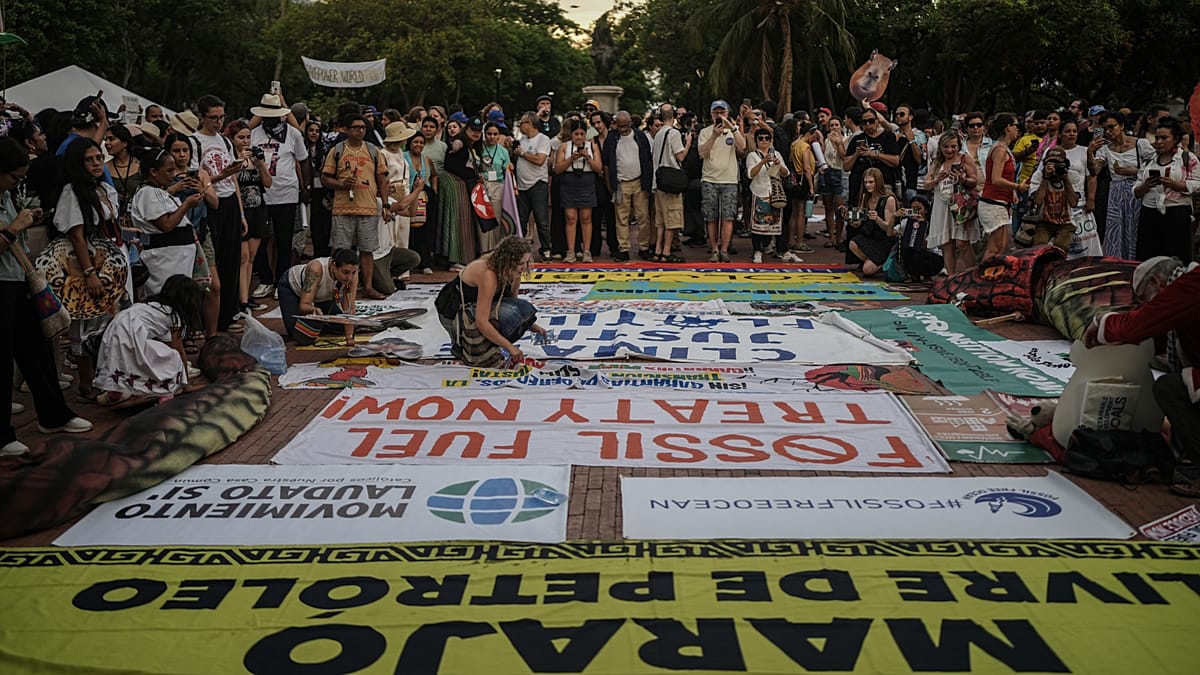
World leaders and senior officials have gathered in Santa Marta, Colombia, for the inaugural Conference on Transitioning away from Fossil Fuels, a two-day summit that marks the first global talks explicitly focused on moving beyond oil, gas, and coal. More than 50 countries are participating, driven by a dual imperative: curbing climate change and bolstering energy independence.
The meeting comes after years of frustration with formal UN climate negotiations, which have often avoided direct confrontation with fossil fuel production. The summit's organisers, co-hosted by Colombia and the Netherlands, aim to build political momentum outside the UN framework and produce a set of voluntary proposals for countries ready to accelerate their energy transitions.
European Voices: Security and Economics
European officials have been among the most vocal advocates for a rapid phase-out. Stientje van Veldhoven, the Netherlands' minister for climate policy and green growth, told delegates: “The conclusion is unavoidable, we must transition away from fossil fuels — not just because it’s good for climate, but because it strengthens our energy independence and security.”
The EU's climate envoy, Wopke Hoekstra, underscored the economic toll of continued reliance on fossil fuels, noting that Europe is “losing half a billion euros each day this war continues,” referring to the conflict in Iran that has throttled Gulf energy exports. “We already had a very good reason to move on for climate action... We now also have it for commercial reasons, and reasons of independence,” Hoekstra added.
The Iran war has sharply highlighted the vulnerability of fossil fuel-dependent economies. European fuel prices remain 12% above pre-strike levels despite a recent ceasefire, as our analysis shows. The summit's organisers argue that the crisis has made energy security a top priority for governments worldwide.
Rachel Kyte, the UK's climate envoy, told AFP in Santa Marta: “Some people use independence, some people use sovereignty, but basically they need energy security. Increasingly, the world is concluding that fossil fuels are a source of instability.”
Global Divisions and Absent Giants
The conference has drawn a diverse group of attendees, including major fossil fuel producers such as Canada, Norway, and Australia, as well as developing oil giants Nigeria, Angola, and Brazil. Coal-reliant emerging markets like Turkey and Vietnam are also present, alongside small island nations acutely vulnerable to climate shocks.
Notably absent are the world's largest greenhouse gas emitters — the United States, China, and India — as well as oil-rich Gulf states. This absence underscores the deep divisions that persist over how to finance and implement the transition, particularly for developing countries that depend heavily on fossil fuel revenue.
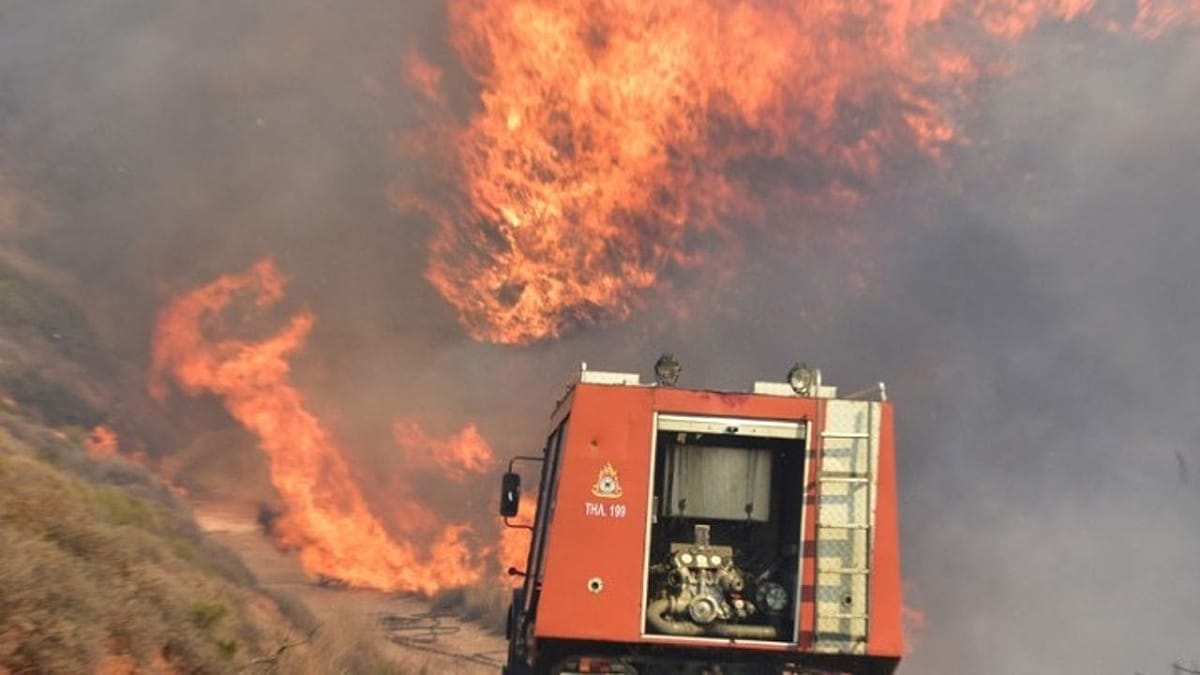
Colombian President Gustavo Petro warned that “the Amazon rainforest is burning,” adding that “without it we reach a point of no return.” He criticised the UN climate process, arguing that “the unity of states has failed” and called for broader action beyond governments. Petro also linked current conflicts to energy dependence, saying “the wars we are seeing are driven by desperate geopolitical strategies around fossil resources.”
Concrete Steps and Roadmaps
While the conference is not expected to produce binding commitments, it aims to generate a set of proposals for countries willing to gradually replace fossil fuel production and consumption with cleaner energy. On Tuesday, France unveiled a fossil fuel “roadmap” setting deadlines to phase out coal by 2030, oil by 2045, and gas by 2050 for energy purposes.
Discussions will also cover reforming fossil fuel subsidies, which remain a major barrier to renewable energy investment. The summit is seen as a steppingstone toward upcoming global climate negotiations, where financing and timelines for reducing fossil fuel use are expected to dominate the agenda.
Even as record investments flow into renewables, scientists warn the pace is still too slow. The world has already warmed about 1.4°C above pre-industrial levels and is on track to exceed 1.5°C within years. For Europe, which has experienced accelerating climate impacts, the urgency is clear. A recent Copernicus report confirmed that Europe's climate crisis now poses an unequivocal threat to food, health, and the economy.
Italy, one of the EU nations most exposed to fossil fuel shocks, has been urging a united European energy transition, as we reported. The Santa Marta summit may provide a platform for such calls to gain traction beyond Europe's borders.