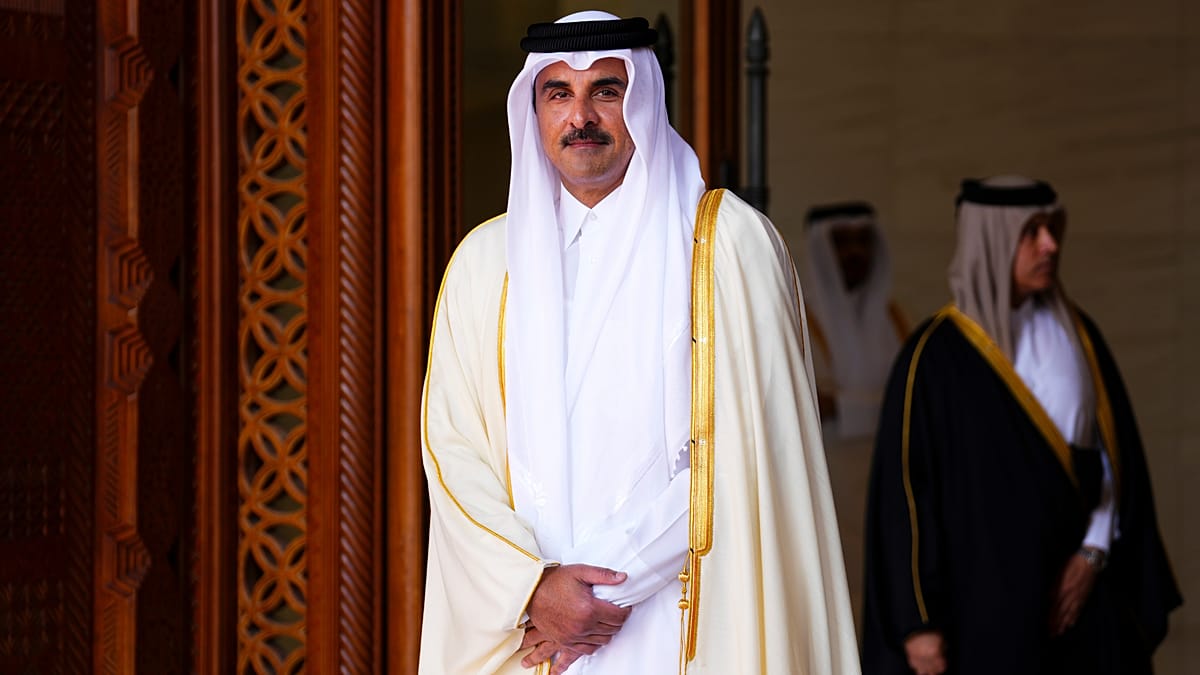
Qatar has rolled out a targeted relief package to support businesses operating in the country, as the ongoing Iran war and broader Gulf instability weigh on economic sentiment. The initiative, launched through Invest Qatar, the Gulf state's investment promotion agency, offers financial support covering up to 40% of eligible local investment costs, including expenses related to setup, operations, and expansion.
Invest Qatar will also introduce flexible regulatory and administrative rules to streamline core business operations, alongside advisory and operational support to help companies safeguard their assets. Officials say the package is designed to ease operational pressures and ensure business continuity amid heightened geopolitical uncertainty.
Regional Conflict and Economic Fallout
The announcement comes against the backdrop of the Iran conflict, which has exacerbated instability across the Gulf and the wider Middle East. The International Monetary Fund, in its latest regional outlook, has sharply revised Qatar's economic forecast downward, projecting a contraction of 8.6% in economic output before a rebound of the same magnitude in 2027.
“As regional conditions continue to evolve, we remain fully focused on acting decisively to support companies operating in our market, safeguard business continuity and reinforce confidence,” said Faisal bin Thani Al Thani, Chairman of Invest Qatar and Minister of Commerce and Industry.
The measures are part of a broader strategy to develop sectors including advanced industries, logistics, technology, and financial services. Qatar has been working to diversify its economy away from hydrocarbons, but the current crisis has underscored the vulnerability of even the wealthiest Gulf states to regional shocks.
For European businesses with exposure to Qatar and the Gulf, the relief package may offer some reassurance, though the broader geopolitical risks remain high. The European Union has been closely monitoring the situation, particularly as energy markets face disruptions. Qatar is a major LNG exporter, and its North Field expansion is critical for global supply, especially as Europe seeks alternatives to Russian gas.
The Iran conflict has also raised concerns about the Strait of Hormuz, a vital chokepoint for oil and LNG shipments. Qatar has previously warned Iran against using Doha as a 'political punching bag' in the crisis, highlighting the delicate diplomatic balancing act the Gulf state must perform.
While the relief measures are aimed at domestic businesses, their success will depend on the trajectory of the regional conflict. The IMF's grim outlook suggests that without a de-escalation, Qatar's economy faces a tough road ahead. For European investors and trade partners, the situation underscores the need for diversified supply chains and contingency planning.