Qatar is moving forward with a significant expansion of its North Field gas project, awarding a major contract to US-based Baker Hughes for critical equipment, even as disruptions to liquefied natural gas (LNG) output and exports underscore the fragility of global energy supply chains amid heightened regional tensions.
The contract, disclosed in Baker Hughes’ first-quarter 2026 results, covers equipment for two new LNG “mega trains” at the North Field West (NFW) project. It includes six gas turbines, 12 centrifugal compressors, and integrated power systems essential for gas liquefaction. The deal signals continued investment in large-scale LNG infrastructure despite short-term operational challenges.
Expansion Plans and Capacity Targets
The NFW phase is a cornerstone of Qatar’s broader strategy to increase LNG production capacity from 77 million tonnes per year (mtpa) to 142 mtpa once all expansion phases are completed. The NFW phase alone is expected to add around 16 mtpa through two new production lines. QatarEnergy has already awarded engineering, procurement, and construction (EPC) contracts to an international consortium, with first output anticipated toward the end of the decade.
The Baker Hughes contract also includes equipment for a carbon capture and transport facility capable of handling up to 4.1 million tonnes of carbon dioxide per year. This reflects efforts to integrate emissions-reduction technologies into new energy infrastructure, aligning with broader European and global climate goals.
Disruptions and Regional Tensions
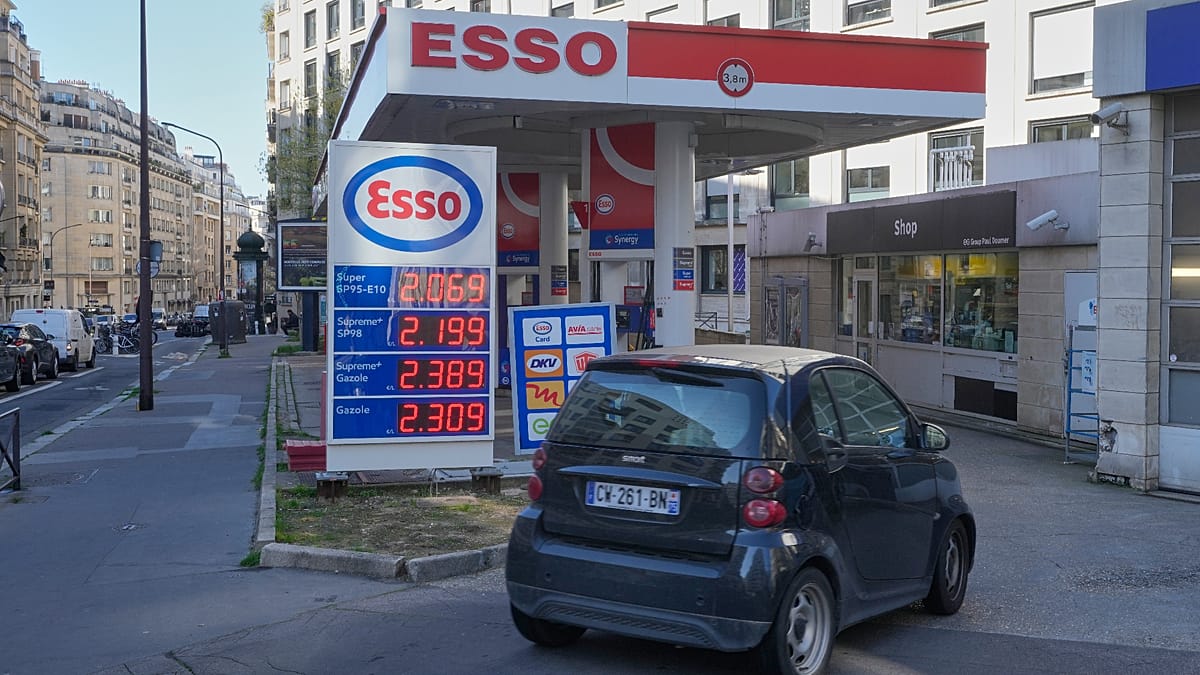
The expansion push comes as Qatar’s gas output and exports face disruptions linked to escalating tensions in the Strait of Hormuz. Data and industry estimates point to a decline in production and a sharp drop in LNG exports in recent months, with part of the country’s export capacity affected. Recovery is likely to take time due to the complexity of repairs and long lead times for specialised equipment. These disruptions have raised concerns over supply flows from the Gulf, a key source of global LNG, and have contributed to volatility in European energy markets. For context, European fuel prices remain 12% above pre-strike levels despite a ceasefire with Iran, highlighting the persistent impact of regional instability.
The broader economic fallout from the Iran conflict has also pushed the eurozone into recession, as PMI data signals a sharp downturn. This underscores the interconnectedness of Gulf energy supplies and European economic health.
Long-Term Strategy Amid Global Demand
Despite these challenges, Qatar is maintaining its long-term LNG expansion strategy as global demand for gas remains strong and energy security concerns intensify. Baker Hughes reported total orders of $8.2 billion (€7 billion) in the first quarter, driven in part by strong demand for LNG and gas infrastructure, reflecting continued investment momentum in the sector.
Qatar’s commitment to expanding its LNG capacity is also evident in its international ventures. The company’s $10 billion Texas LNG project recently shipped its first cargo to global markets, demonstrating its strategy to diversify supply sources and strengthen its position in the global LNG market.
For European policymakers and energy companies, Qatar’s expansion plans offer a potential hedge against supply disruptions from other regions. However, the reliance on Gulf energy sources also exposes Europe to geopolitical risks, as evidenced by the current tensions. The development of carbon capture infrastructure at North Field West could also provide a model for integrating emissions reduction into large-scale energy projects, a priority for the EU’s Green Deal.