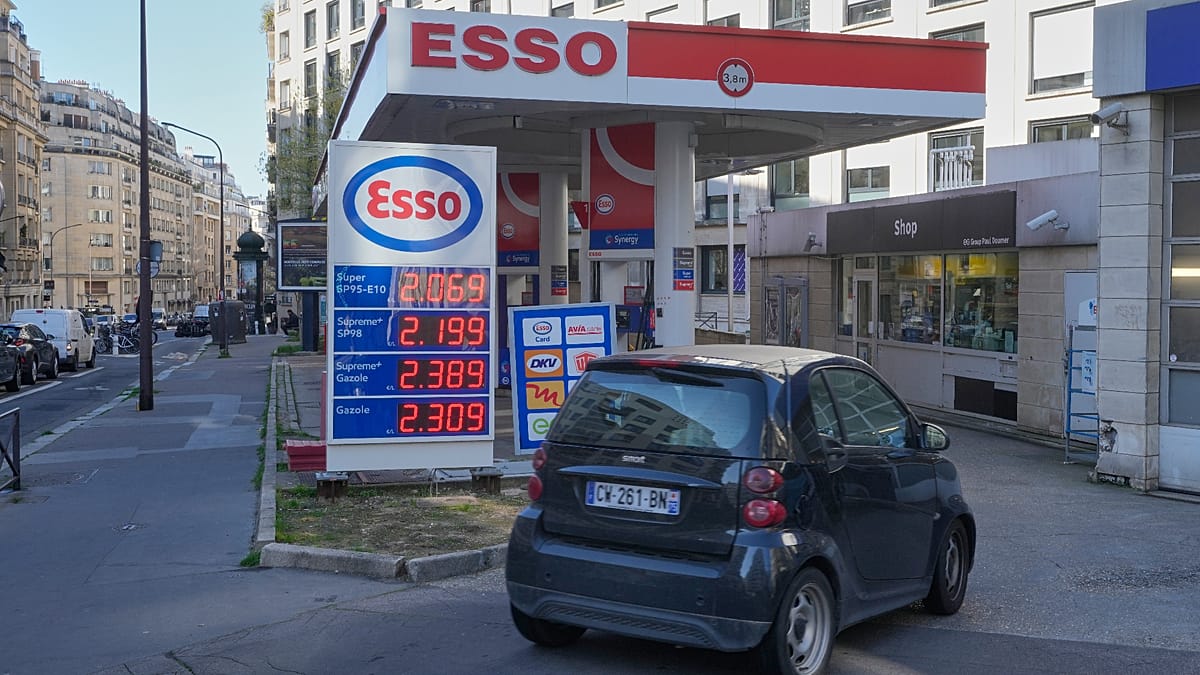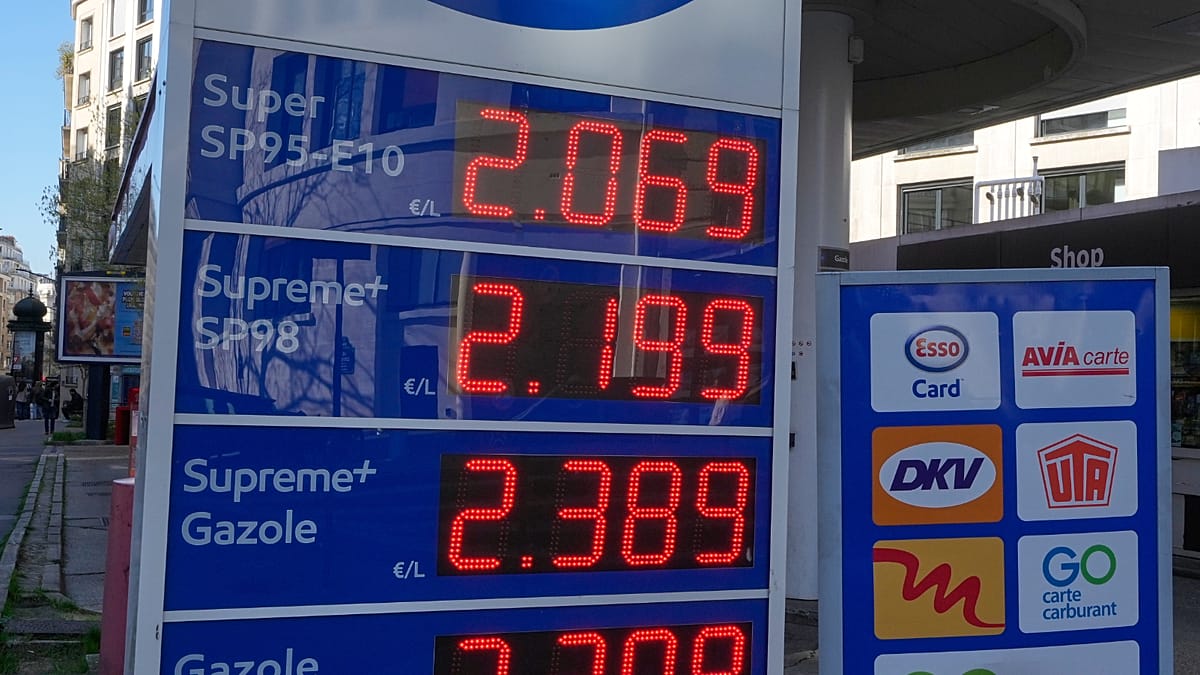
Fuel prices across the European Union have yet to return to pre-crisis levels, more than two weeks after a ceasefire ended the direct US-Israeli strikes on Iran. According to data from the European Commission's Weekly Oil Bulletin, the EU average price for petrol (Euro-super 95) stood at €1.83 per litre on 20 April, up 12% from €1.64 on 23 February, the Sunday before the strikes began. Diesel prices rose even more sharply, climbing 26% from €1.59 to €2.01 per litre over the same period.
The United States and Israel launched a series of strikes against Iran on 28 February 2026, triggering retaliatory attacks across the region. A fragile ceasefire was agreed on 8 April, but fuel markets have only partially corrected. The conflict exacerbated existing upward pressure on energy costs, which had already been rising in the weeks before the strikes.
Steepest increases in Central and Eastern Europe
Among EU member states, Belgium, Czechia and Bulgaria recorded the largest petrol price increases, each up 22%. France, the bloc's second-largest economy, saw an 18% rise, followed by Germany at 15%. Italy and Spain experienced more modest increases of 7% and 3% respectively. Malta was the only country where petrol prices remained unchanged.
Diesel price rises were more pronounced. Bulgaria led with a 43% jump, followed by France at 36%, Estonia at 35%, and Belgium at 33%. Increases above 30% were also recorded in Cyprus, Croatia and Latvia. Among the major economies, Spain saw a 27% rise, above the EU average, while Italy and Germany posted 24% and 23% respectively. Malta again saw no increase, while Hungary and Romania reported the smallest rises at 13% each.
The divergence reflects varying levels of dependence on imported refined products, domestic tax structures, and the speed at which retailers passed on wholesale cost changes. Non-eurozone countries may also have been affected by exchange rate fluctuations against the euro.
Where fuel is most expensive
As of 20 April, the Netherlands had the highest petrol price in Europe at €2.28 per litre, followed by Denmark (€2.22), Germany (€2.11), Greece (€2.03) and France (€2.02). The cheapest petrol was in Malta (€1.34), Poland (€1.41) and Bulgaria (€1.47). Spain, at €1.52, had the fourth-lowest price.
For diesel, the Netherlands again topped the list at €2.30 per litre, ahead of Finland (€2.25), France (€2.24), Denmark (€2.22) and Belgium (€2.19). Among the largest economies, France, Germany (€2.13) and Italy (€2.11) were clustered near the top. Spain was the only major economy below the EU average for diesel. Malta remained an outlier at €1.21 per litre, with Poland next at €1.64.
The sustained high prices have already had knock-on effects. EU electric vehicle sales surged nearly 50% in March as consumers sought to hedge against volatile fuel costs. The conflict also highlighted Europe's continued vulnerability to external energy shocks, even as the bloc accelerates its transition to renewables. Renewables have slashed European electricity prices by 25%, but transport fuels remain heavily exposed to global oil markets.
The ceasefire remains fragile, and analysts warn that any renewed hostilities could push prices higher again. For now, European drivers are paying significantly more at the pump than they were before the crisis began.