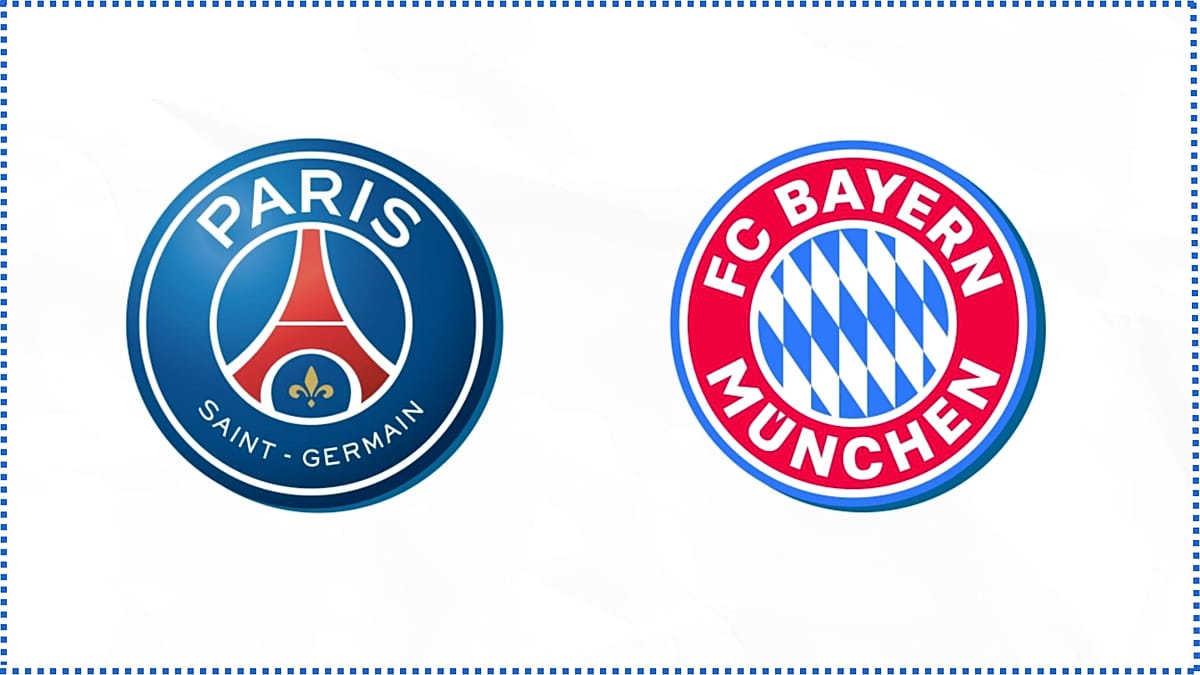
The Champions League semifinals begin on Tuesday evening, but the most intriguing contest may not be on the pitch. Behind the passes and goals lies a high-stakes confrontation between fundamentally different approaches to owning and operating a top-tier football club. From Paris to Munich, Madrid to London, the four remaining teams embody distinct philosophies of capital, governance, and ambition.
PSG: The Qatari Luxury Brand
Paris Saint-Germain, controlled by Qatar Sports Investments since 2011, has evolved from a domestic contender into a global lifestyle brand. Under the stewardship of Nasser Al-Khelaifi, the club has become the most visible ambassador of sovereign wealth in European football. Its strategy relies on lavish spending on star players and a relentless push into fashion, hospitality, and digital content. The Parc des Princes is less a stadium than a showcase for Qatari soft power, a model that has reshaped the transfer market and drawn both admiration and criticism across the continent.
Bayern Munich: The German Democratic Ideal
Opposite PSG stands Bayern Munich, the standard-bearer of Germany's 50+1 rule, which ensures that club members retain a majority of voting rights. This legal framework prevents any single investor from seizing control, preserving a model rooted in fiscal prudence and collective governance. Although some executives recently floated the idea of scrapping the rule, Bayern remains, for now, a machine built on efficiency rather than ego. Its industrial alliance with Adidas, Audi, and Allianz provides stable revenue without ceding control. The Allianz Arena is a temple to a distinctly German vision of football as a public good, not a private asset.
Atletico Madrid: Wall Street Meets Riyadh
Wednesday's match features a battle of US investment strategies. Atlético Madrid, once known as the "people's club," underwent a radical corporate transformation after its 2017 move to the Riyadh Air Metropolitano. Last month, US private equity firm Apollo Sports Capital acquired a majority stake, cementing a hybrid model that blends Wall Street capital with Saudi Arabian sponsorship. The club now operates as a vehicle for financial engineering, leveraging its stadium naming rights and global marketing to attract investors seeking returns in the booming sports sector.
Arsenal: The Real Estate Play
Arsenal, meanwhile, is the crown jewel of Stan Kroenke's real estate empire. Kroenke, the largest private landowner in the United States, treats the Emirates Stadium not merely as a venue but as an anchor for massive urban development. His model prioritizes long-term asset appreciation over short-term trophies, using the club to drive property values in north London. This approach has made Arsenal a stable, profitable enterprise, but critics argue it prioritizes balance sheets over on-pitch ambition.
These four clubs represent a microcosm of the forces reshaping European football. The sport has become a playground for global capital, where sovereign wealth funds, private equity firms, and real estate moguls compete for influence. As synthetic drugs reshape global markets and QatarEnergy's LNG projects ship cargoes worldwide, the intersection of football and finance mirrors broader trends in the global economy.
For fans, the semifinals offer a spectacle of skill and drama. But for those watching the money, they reveal a deeper contest: whether European football will remain a democratic institution, a luxury brand, or a financial instrument. The answer may determine the future of the beautiful game across the continent.