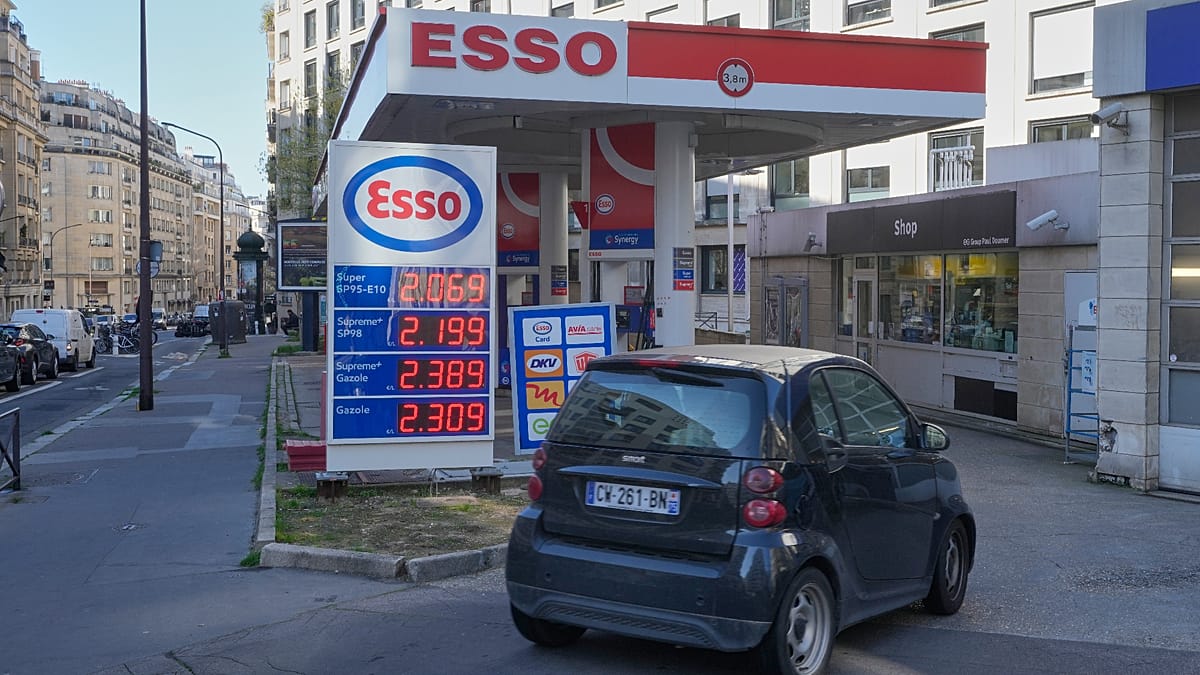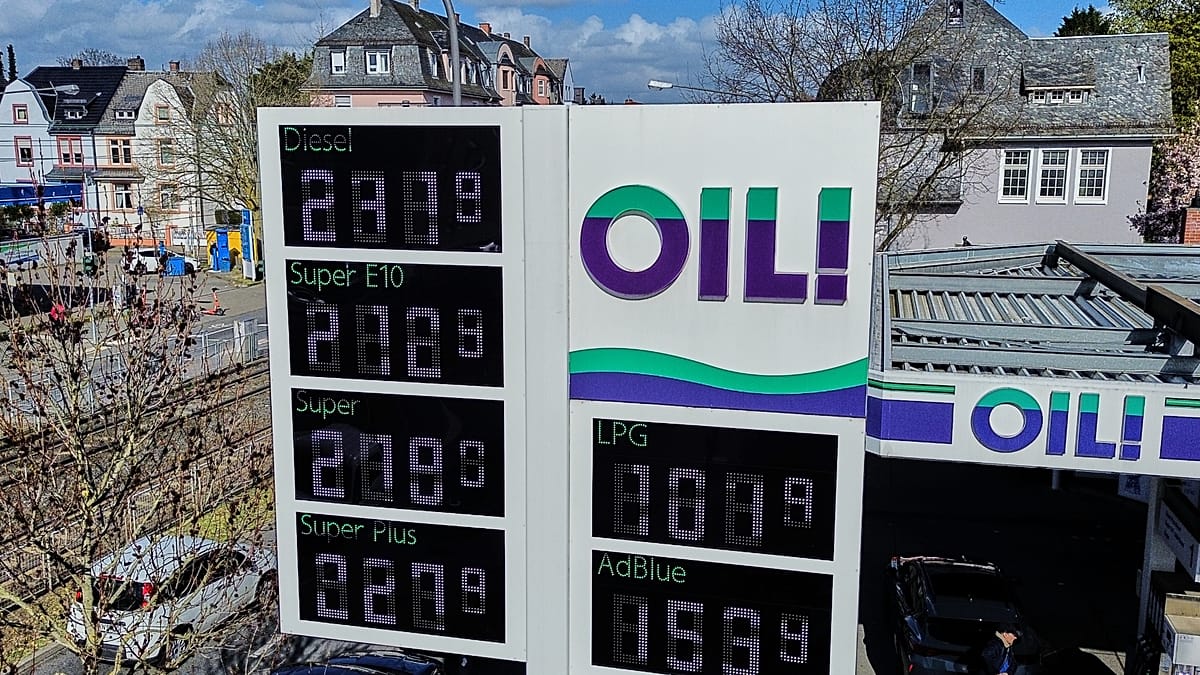
Inflation in the eurozone's two largest economies accelerated in April, driven primarily by surging energy costs linked to the ongoing Middle East crisis. The data, released ahead of the European Central Bank's rate decision on Thursday in Frankfurt, suggests that price pressures remain stubbornly above the ECB's 2% target.
Germany's EU-harmonised consumer price index rose by 2.9% year-on-year in April, the highest reading since January 2024, according to preliminary figures from the Federal Statistical Office (Destatis). Month-on-month, prices increased by 0.5%, following a 1.2% jump in March. The main culprit was energy: costs climbed more than 10% compared with April 2025, reflecting disruptions after the closure of the Strait of Hormuz following US–Israeli strikes and broader turmoil in global energy markets.
Food inflation in Germany edged up to 1.2% from 0.9%, while services inflation eased to 2.8% from 3.2%. Core inflation, which strips out volatile food and energy, fell to 2.3% — its lowest level since June 2021. This suggests that underlying price pressures are moderating, even as headline figures remain elevated.
Spain's Inflation Accelerates Despite Government Measures
In Spain, the EU-harmonised annual inflation rate reached 3.5% in April, up from 3.4% in March and the highest since June 2024. Monthly inflation rose 0.7%, slightly above expectations, following a 1.7% increase in March. The National Statistics Institute (INE) reported that electricity prices fell, partly reflecting a package of 80 measures approved by the Spanish government in late March, including a reduction in VAT on fuel. However, fuel and lubricant prices for personal vehicles continued to rise, offsetting some of the relief.
The Spanish government's intervention mirrors broader EU efforts to shield consumers and businesses from energy-driven inflation. The European Commission recently relaxed state aid rules to allow member states to support companies hit by the crisis. Yet the persistence of high energy costs underscores the limits of national measures when global supply chains are disrupted.
The World Bank has warned that the Iran conflict could trigger the sharpest energy price spike since 2022, adding to concerns that the ECB may need to raise interest rates further. The bank's Governing Council is widely expected to hold rates steady at its April meeting, but the data from Germany and Spain will fuel debate about the trajectory of monetary policy.
In Germany, the non-harmonised inflation figure — used for domestic purposes — also rose to 2.9%, with energy prices up more than 10% year-on-year. The core rate's decline to 2.3% offers some comfort, but the headline figure remains well above target. In Spain, the non-harmonised data showed that electricity prices fell, but fuel costs continued to climb, reflecting the impact of the Iran war on global oil markets.
The ECB's decision on Thursday will be closely watched, particularly after recent signals that the bank is prepared to act if inflation proves persistent. The Middle East crisis has added a layer of uncertainty, with energy prices likely to remain elevated as long as geopolitical tensions persist. Meanwhile, the EU has been exploring alternative energy sources, including a push for a fossil fuel phase-out, as highlighted at the Colombia Summit, but such transitions take time.
For now, consumers in Germany and Spain are feeling the pinch. In Berlin, households face higher heating and transport costs, while in Madrid, the government's VAT cut on fuel has provided only partial relief. The broader eurozone picture will become clearer as other member states release their April inflation data later this week.