Transport and energy officials meeting in Baku on April 23–24 warned that the Caspian-Central Asia corridor is entering a more complex phase. Rising trade volumes are beginning to outpace the capacity and resilience of existing pipelines, railways, and ports that link Asia with Europe, they said.
While the network remains functional, participants described a system increasingly stretched by operational and financial pressures. Askar Ismayilov, Advisor on Central Asia at the Global Gas Center, argued that the region is not starting from scratch. “In terms of transportation, all infrastructure is in place,” he said, adding that increasing capacity would not require significant capital expenditure. “In this case, transportation costs will not increase dramatically.”
Yet the challenge has shifted beyond infrastructure. “We see that any routes will not be secured, the world has changed,” Ismayilov noted. “The more we expand and increase the number of routes, the more this will contribute to the security of supply.”
Pipeline Dependence and Urgent Demand
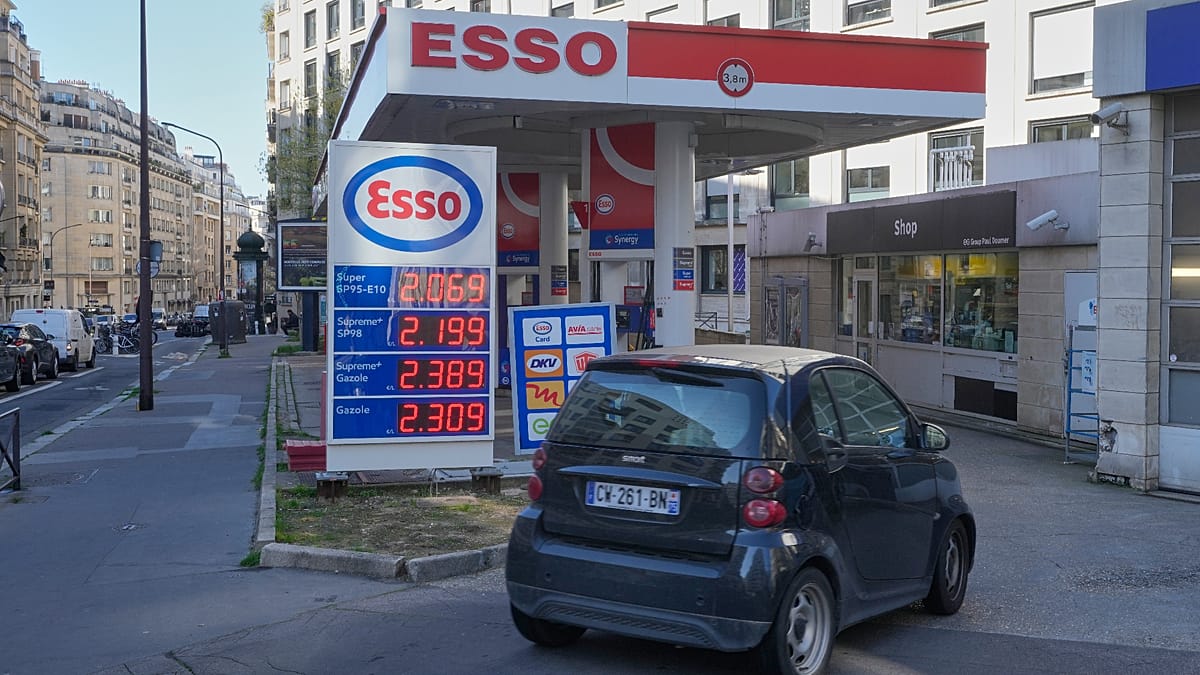
Kazakhstan remains heavily reliant on the CPC pipeline to the Black Sea, while Azerbaijan channels volumes through the Baku–Tbilisi–Ceyhan (BTC) and Baku–Supsa routes. John Patterson, co-founder of the British Chamber of Commerce in Azerbaijan, stressed urgency. “There’s a massive demand for oil and gas coming. It needs pipelines, it needs connectivity. That’s really what this forum was about.” He pointed to sharp rises in commodity prices as a warning: “LNG has gone up dramatically since the start of the conflict, Brent is also significantly higher. All of these issues are going to have major consequences for the global economy.”
Connectivity is becoming a strategic asset. “If alternative supply routes can be used, and transport links, whether pipelines, roads or rail can be improved, then the global market becomes less reliant on chokepoints,” Patterson said, referencing vulnerabilities around key maritime routes. Azerbaijan is positioning itself as a transit hub. “For Baku, the importance lies in its existing pipeline connectivity to Europe and Western markets. It has the know-how and capability to help Central Asia transport its resources.” Goods including oil and cotton can move through to the European Union, he added.
Attention is shifting to the Middle Corridor, the trans-Caspian route linking China, Central Asia, the South Caucasus, and Europe. Its relevance has grown as countries seek alternatives to northern and southern routes disrupted by geopolitical tensions. Rail infrastructure is under strain: the Baku–Tbilisi–Kars railway is undergoing upgrades, while ports from Azerbaijan’s Alyat and Dubendi terminals to Kazakhstan’s Aktau and Kuryk and Georgia’s Black Sea gateways handle rising cargo volumes—often faster than expansion projects can keep pace.
Long-discussed pipeline projects are resurfacing. Assylbek Jakiyev, chairman of Petro Council Kazakhstan, said, “For Kazakhstan and other Central Asian countries, Azerbaijan is essential. This should be a mutually beneficial project.” He suggested reviving talks on a trans-Caspian pipeline to connect to the BTC system. “Kazakhstan, Turkmenistan and Azerbaijan can agree to build this pipeline and connect to existing systems,” though formal discussions remain limited.
Environmental factors are compounding logistics. Falling Caspian Sea levels reduce port draft capacity, requiring dredging and forcing shipping companies to adapt fleets to shallower conditions. Financial and regulatory constraints—from sanctions compliance to rising insurance and freight costs—are reshaping investment decisions. For Ismayilov, the conclusion is clear: “The more important thing now is to increase production,” linking supply growth with transport diversification.
Across the board, participants described a logistics network that remains strategically vital but under pressure to evolve. As trade flows intensify and geopolitical risks persist, the Caspian–Central Asia corridor is shifting from a stable transit route into a more dynamic, competitive, and risk-sensitive system. Resilience, diversification, and connectivity will define its long-term role in global energy and trade. For more on how trade routes are adapting, see our analysis on Caspian and Central Asian Oil Markets Adapt to Volatile Global Demand and the broader implications of China Hawks Gain Influence in European Commission as EU Weighs Trade Measures.