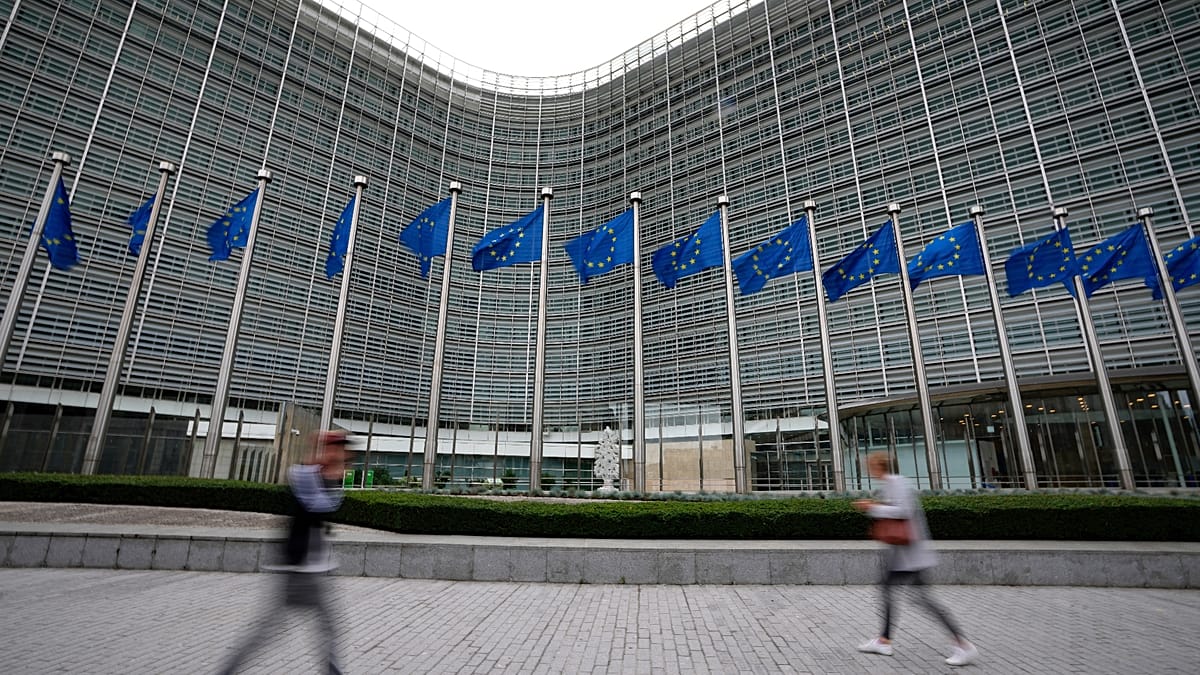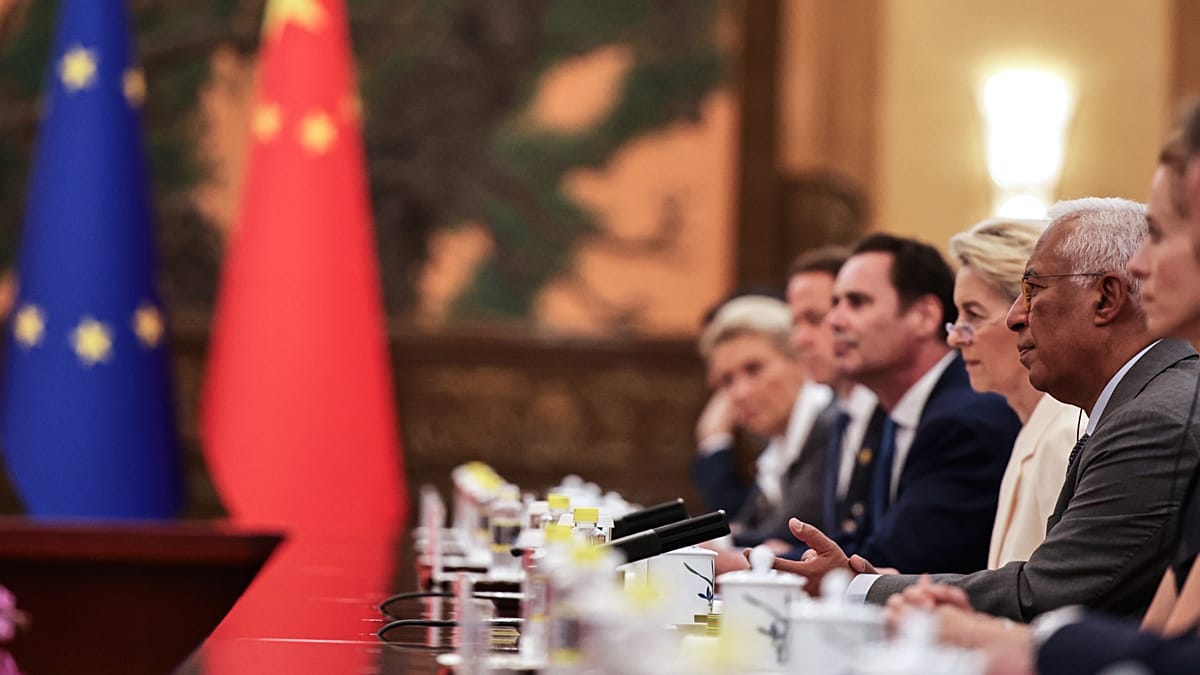
In recent months, the European Commission has seen a notable shift in its approach to China. Hawkish voices within the Directorate-General for Trade and the cabinet of President Ursula von der Leyen are pushing for more aggressive measures to counter what they view as unfair competition from Beijing. This internal momentum is set to culminate in a debate among the 27 EU commissioners on 29 May, where the central question will be whether to acknowledge the problem and take action.
Tensions escalated on Monday after China's Ministry of Commerce threatened retaliation against the EU's Made in Europe legislation, which imposes strict conditions on foreign direct investment. An EU official described the Chinese response as "playing games," but stressed that the Commission's priority remains engagement through established channels. However, behind the scenes, Commission services are already preparing new instruments to address economic threats from China. "We don't see any move from the Chinese despite all the issues we have flagged with them, so there's a reflection on whether we should do more," one source said.
German Trade Deficit Sparks Wake-Up Call
A key turning point came with the release of Germany's trade deficit figures before Christmas. Data from Germany Trade & Invest (GTAI) revealed a record €87 billion German trade deficit with China, jolting Berlin, which had long prioritized market access over protecting domestic manufacturing. China has since surged up the agenda for German industry, the Bundestag—which has established a dedicated committee—and the Commission, whose German president has direct influence in Berlin.
The broader context includes years of cheap Chinese imports threatening European industry. Pressure intensified after the US imposed steep tariffs on Chinese goods, effectively closing its market and redirecting Chinese overcapacity in sectors like steel and chemicals toward Europe. A recent report by the French High Commission for Strategy and Planning warned that production cost gaps between Europe and China have reached "levels incompatible with sustainable competition," averaging 30-40% and exceeding 60% in segments like industrial robotics and mechanical components.
The EU's main leverage is its 450 million-strong consumer market. One source noted that it is "increasingly becoming mainstream" inside the Commission to warn Beijing that the EU market could close without rebalancing. But the trade-offs are stark. Chinese electric vehicles, hit with EU tariffs in October 2024, illustrate the dilemma. China depended equally on the US and EU markets for exports before Donald Trump's return to the White House in 2025. "It cannot easily diversify its EVs as it will not sell in Africa, nor in southeast Asia, where there's no infrastructure," another source explained. At the same time, Europe remains reliant on Chinese imports in many of the same sectors. "Are we to close our market to lithium batteries from China? We cannot do this overnight," the same source said, pointing to solar panels, laptops, and medical devices.
Exploring the Anti-Coercion Instrument
The EU has existing trade defence tools like anti-dumping and anti-subsidy duties, but they can take at least 18 months to deploy after a complaint. Two sources confirmed that the Commission is working on new instruments, but by the time they bite, damage may already be done. A fourth source described an overcapacity instrument as still "premature." However, Commission services are also considering the Anti-Coercion Instrument (ACI), a tool created in 2023 that allows the EU to impose tariffs, restrict public procurement, or limit intellectual property rights in response to economic coercion. The ACI resurfaced after China weaponised rare earth exports in October 2025 during its trade standoff with the US, imposing strict export controls. Exports resumed after a one-year truce between Washington and Beijing, which also covers Europe, but that deal expires in October 2026, leaving uncertainty. Brussels wants the ACI ready if needed.
Tensions could rise further after Beijing's threats over the Industrial Accelerator Act—the Made in Europe legislation now debated by member states and MEPs—or over pressure linked to the Cybersecurity Act, which could phase out Chinese telecom operators from the EU market. Activating the ACI requires a qualified majority of EU countries, and member states remain split. "It requires a political support higher than for the traditional anti-dumping or anti-subsidies duties which can only be rejected by a reversed majority of EU countries," a source said.
Despite the wake-up call, German Chancellor Friedrich Merz struck a softer tone in March, floating a long-term trade deal with Beijing. But in Brussels, that idea is off the table. "There are a number of concerns and real challenges that the European Union has consistently expressed to China that we need to see them meaningfully address before we can even talk about any future agreements or anything like that," said Olof Gill, the Commission's deputy chief spokesperson. Spanish Prime Minister Pedro Sánchez, who has visited China four times in three years and secured major Chinese investment, backs closer ties with Beijing. Meanwhile, Belgian Prime Minister Bart De Wever urged a tougher line in an 18 March letter to von der Leyen.
The debate over China policy is part of a broader European recalibration. As the EU considers its next steps, the outcome will depend on whether member states can overcome their divisions and agree on a unified approach. For now, the hawks are gaining ground, but the final decision rests with the capitals.