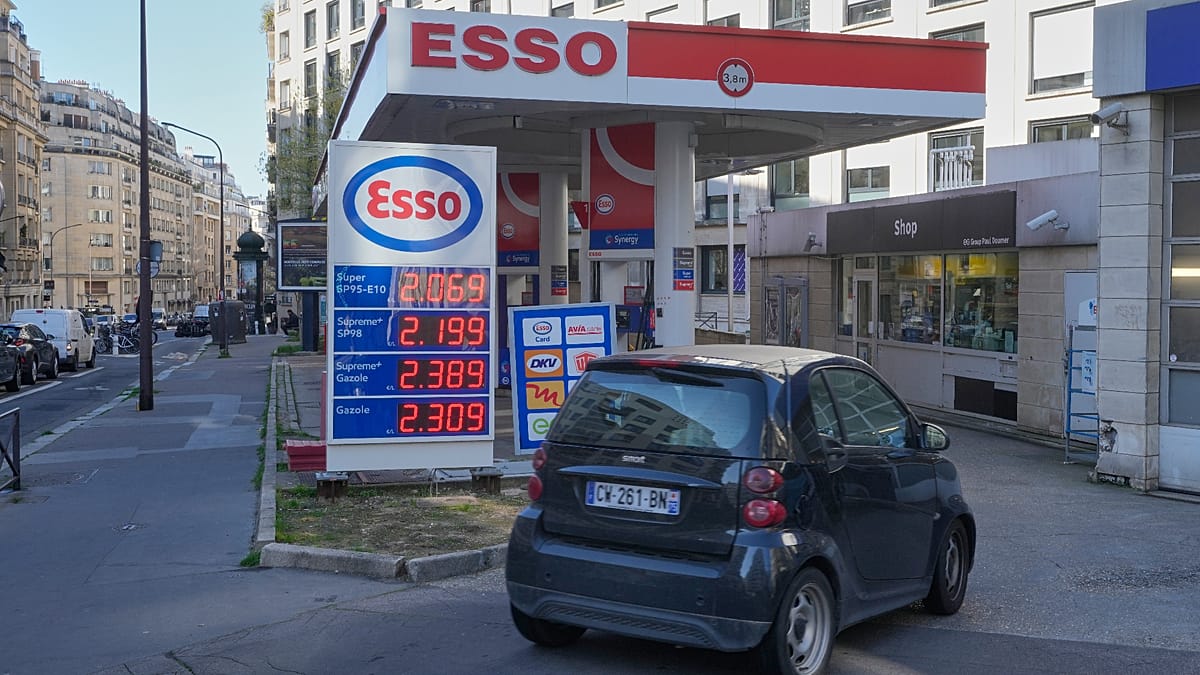
Inflation across the eurozone accelerated to 3.0% in April, up from 2.6% in March, as soaring energy prices linked to the Iran war continued to squeeze households and businesses. The data, released by Eurostat on Thursday, showed that energy costs surged 10.9% year-on-year, more than double the 5.1% increase recorded in March. Among other components, services inflation eased slightly to 3.0% from 3.2%, while food, alcohol and tobacco prices rose to 2.5% from 2.4%, and non-energy industrial goods edged up to 0.8% from 0.5%.
Oil Prices and the Iran War Shock
The primary driver of the inflation spike remains the conflict with Iran, which has disrupted global oil supplies. International Brent crude briefly traded above $126 a barrel on Thursday morning, a wartime record, compared with around $73 before the outbreak of hostilities on 28 February. Iran’s blockade of the Strait of Hormuz, a chokepoint for roughly 20% of the world’s oil shipments from Persian Gulf producers, has delivered a severe shock to the global economy. The World Bank has warned that the conflict could trigger the sharpest energy price spike since 2022, compounding inflationary pressures across Europe.
Energy costs have already driven inflation higher in key eurozone economies. Germany and Spain both reported rising consumer prices in the weeks leading up to the ECB’s latest rate decision, underscoring the broad-based nature of the trend.
Growth Stalls, Stagflation Looms
In a double blow, the eurozone’s economic output in the first quarter of 2026 grew by a mere 0.1% compared with the previous three months, matching the pace of the wider EU. This marks a slowdown from the 0.2% expansion recorded in the fourth quarter of 2025. On an annual basis, GDP rose by 0.8% in the euro area and 1.0% in the EU, down from 1.3% and 1.4% respectively in the prior quarter.
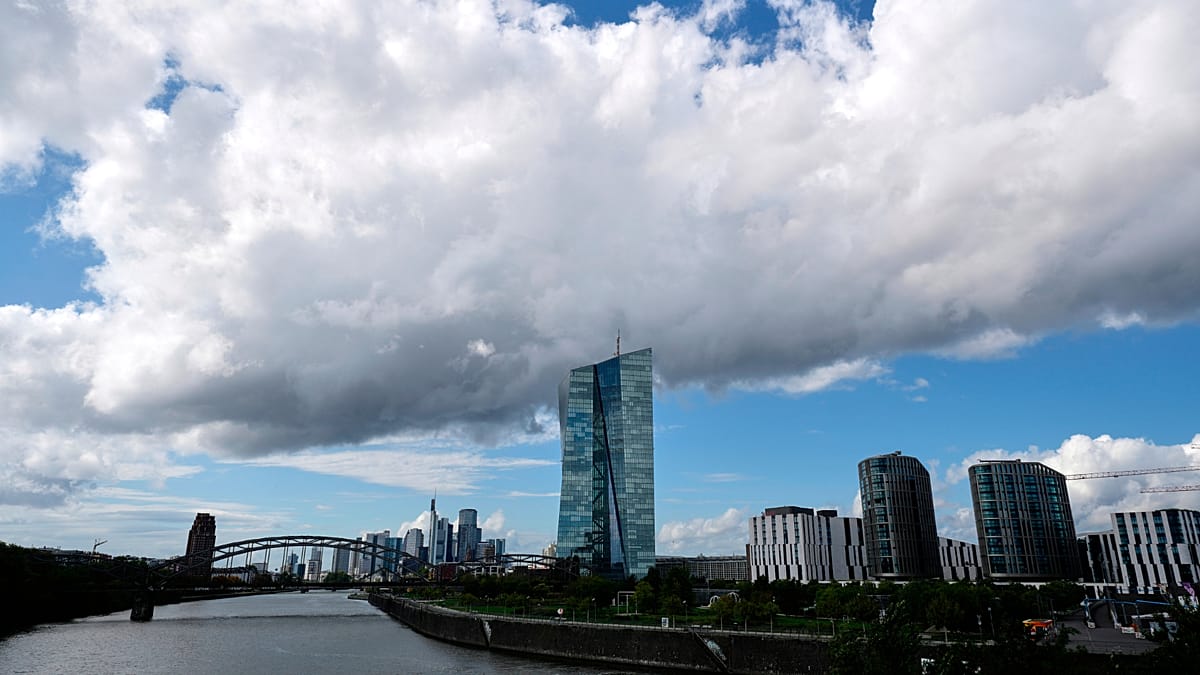
The combination of rising inflation and sluggish growth—a classic stagflation scenario—poses a serious challenge for the European Central Bank. Policymakers are widely expected to leave the benchmark interest rate unchanged at 2% on Thursday, a level it has held since June 2025. While inflation now clearly exceeds the ECB’s 2% target, raising rates could further dampen already weak economic activity by increasing borrowing costs. The central bank appears to be adopting a wait-and-see approach, monitoring whether the price pressures prove temporary.
This cautious stance mirrors actions by other major central banks. The Bank of Japan and the Federal Reserve both left rates unchanged at their recent meetings, and the Bank of England is also expected to hold steady on Thursday. The global context suggests that central banks are reluctant to tighten policy amid geopolitical uncertainty and fragile growth.
Broader Implications for Europe
The inflation and growth data come as European consumers face rising fuel costs and altered spending patterns. French staycations have surged as geopolitical fears and inflation reshape summer travel plans, reflecting a broader shift in household behaviour. Meanwhile, European fuel prices remain 12% above pre-strike levels despite a fragile ceasefire, indicating that energy costs will continue to weigh on the economy.
For the ECB, the path forward is fraught with uncertainty. If inflation proves persistent, the bank may eventually be forced to raise rates, risking a deeper economic slowdown. If it is transitory, holding steady could allow growth to recover. For now, the eurozone finds itself in a precarious position, caught between the pressures of war-driven energy costs and a stagnating economy.