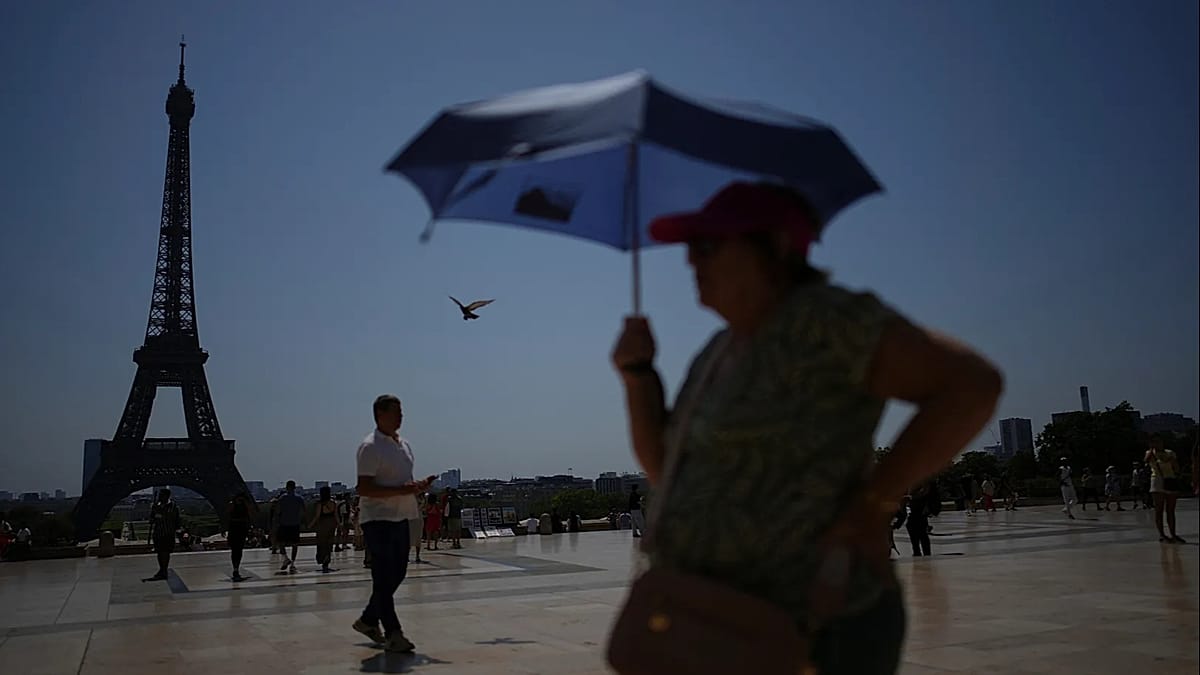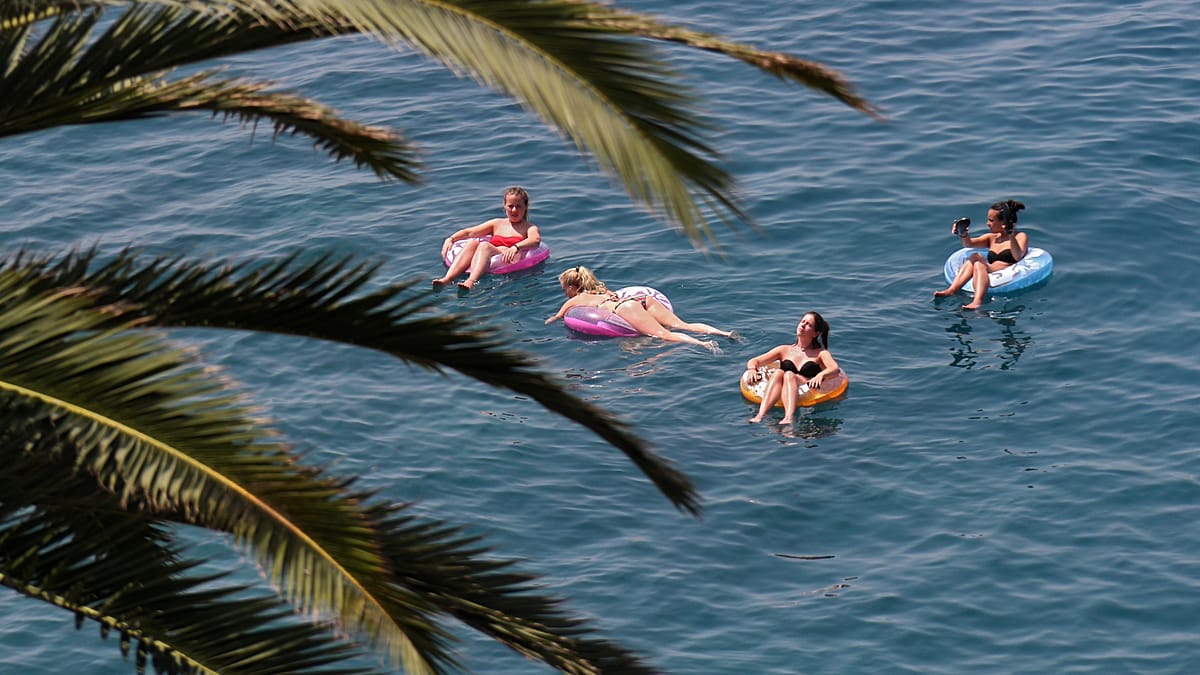
PARIS — The French are rethinking their summer holidays in 2026, caught between persistent inflation, rising transport costs, and a volatile geopolitical landscape. A new survey by Ifop for Alliance France Tourisme, released in March, paints a picture of cautious optimism: enthusiasm for travel remains high, but concrete plans are shrinking.
According to the study, 68% of French residents intend to take at least a week off this summer — a drop of nine percentage points compared to 2025. Only 37% are certain their holidays will go ahead, down from 50% last year. Dominique Marcel, president of Alliance France Tourisme, described the trend as a sign of growing uncertainty rather than a collapse in demand. “The French remain very attached to holidays, but the first effects of the current situation are beginning to be felt, under the combined effect of concerns about security and tighter budget constraints,” he said.
Domestic destinations gain ground
Geopolitical tensions are reshaping destination choices. In response to instability in the Middle East and broader security worries, 71% of those polled plan to stay within France — up three points from 2025. Only 23% will travel elsewhere in Europe, and just 9% will venture outside the continent. This shift toward domestic travel reflects a broader European trend: as Spain, France, and Portugal race to expand renewables to reduce energy dependence, households are also seeking more predictable, close-to-home options.
The preference for France as a “refuge destination” is particularly pronounced among families and older travellers, who cite safety and ease of access as key factors. Coastal regions like Provence-Alpes-Côte d’Azur and Nouvelle-Aquitaine are expected to see the highest demand, while rural and mountain areas may also benefit from the shift.
Budgets tighten, spending shifts
Inflation continues to squeeze household budgets. The average planned expenditure for summer holidays stands at €1,530 — roughly €150 less than in 2025. To manage costs, many are cutting back on accommodation, dining out, and on-site activities. “More than 50% of French people are planning to spend less than they did last year on various items: obviously accommodation, catering and all on-site expenses,” Marcel noted. “It's particularly noticeable when it comes to spending on site, perhaps even more so than on accommodation. 60% of people think they are going to cut back on these expenses.”
The trend toward free accommodation is accelerating: 31% of respondents plan to stay with friends or family this summer, up from 21% in 2025. This shift mirrors broader economic pressures across Europe, where central banks are rethinking inflation and interest rate strategies as AI and other factors complicate forecasting.
Social inequalities persist
The survey underscores a persistent divide in holiday access. Among affluent households, 84% plan to take a summer break, compared with just 58% of those with modest incomes. This gap has widened slightly from previous years, reflecting the uneven impact of inflation on disposable income. Marcel acknowledged that the data “stresses that access to holidays remains strongly marked by social inequalities.”
For many lower-income families, the choice is not between destinations but between taking a holiday at all and covering essential costs. The rise in free accommodation and the reduction in on-site spending suggest that even those who do travel are doing so on a tighter leash.
As Europe grapples with overlapping crises — from energy security to geopolitical instability — the French summer holiday is becoming a microcosm of broader societal adjustments. The desire to get away remains strong, but the means to do so are increasingly constrained.