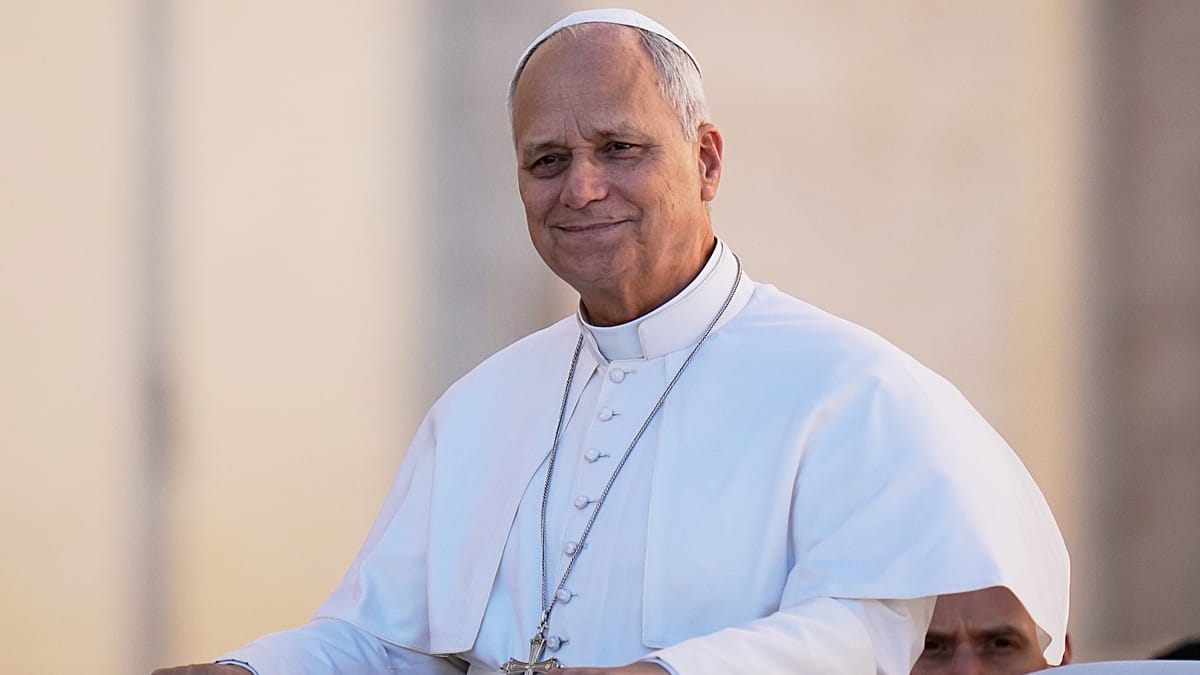
Just days before Pope Leo XIV's four-day visit to France, a directive from the country's Catholic education authority has ignited a fresh debate over secularism and the boundaries of religious influence in state-funded schooling.
An internal memo dated 10 September, first reported by the left-leaning daily Libération, urges all Catholic schools under state contract to treat Friday 25 September—the day the pontiff lands in France—as a special day. Regular lessons would be set aside for activities centred on the Pope, the Catholic Church, and social themes such as peace, fraternity, artificial intelligence, and bullying prevention.
The document, issued by the General Secretariat for Catholic Education (Sgec), led by Guillaume Prévost, states that the day "must be compulsory for pupils as well as for all teachers and staff, in the same way as any other school day."
A day of doves, murals, and papal speeches
In primary schools, the Sgec suggests activities like making paper doves or creating a mural on peace, alongside introducing children to the Vatican and the role of the pope. For secondary pupils, the proposal includes studying the speech Leo XIV is due to deliver at UNESCO or exploring the theme of the "civilisation of love." Other suggested topics range from tackling bullying to preventing violence.
The Sgec insists that attendance does not imply any "obligation in terms of belief." Explicitly religious activities, such as prayer or hymns, would remain optional. The authority justifies holding the day during school hours by citing the rescheduling of the "educational communities day," which is normally held in early December.
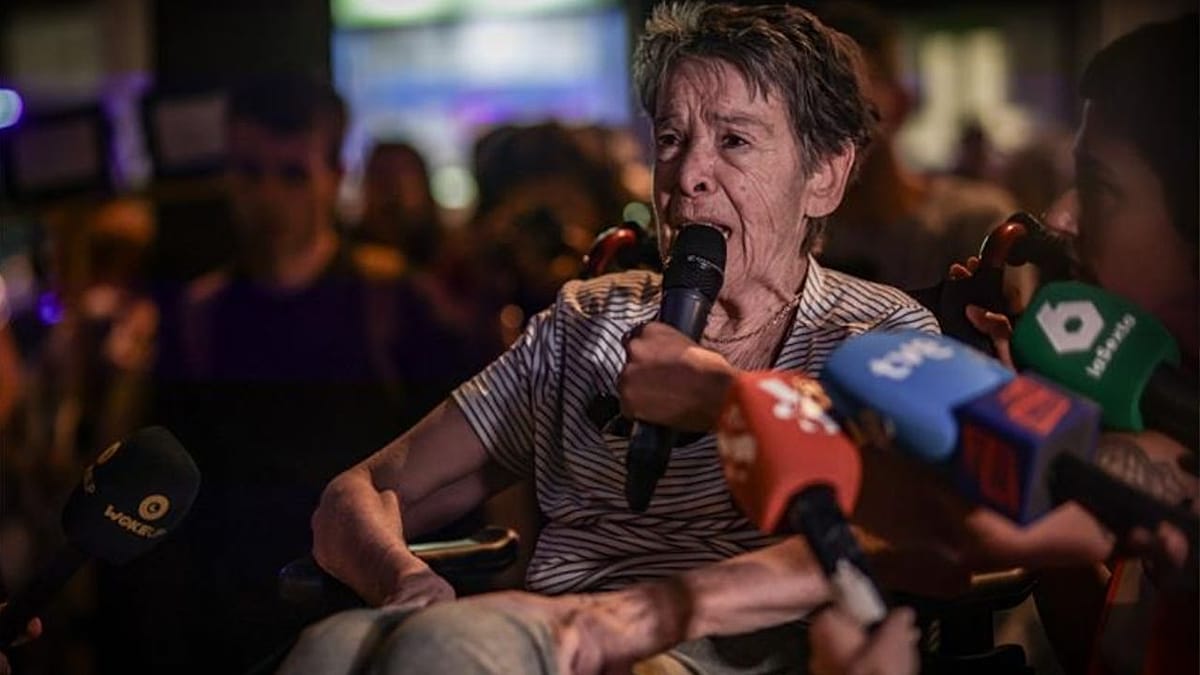
That explanation has been challenged by Laëtitia Bramoullé, spokesperson for the collective Stop aux souffrances dans les établissements catholiques (Stop Suffering in Catholic Schools). She told Libération that no such nationwide day exists in that form, calling the justification into question.
Another point of contention is that the day would replace regular classes, even though state-funded private schools under contract are required to follow the national curriculum. The Sgec argues that the educational communities day can "break with the strict framework of the timetabled lesson" and be held "legitimately during school hours." It also recommends that teachers' participation be counted as working time.
The French education ministry, responding to Euronews, clarified that a state-funded private school under contract may devote school time to a particular theme, such as tackling bullying or introducing pupils to different professions. "In the private sector under contract, this time may also reflect the specific ethos of the school," the ministry added.
However, the ministry set two firm limits. First, freedom of conscience must be respected: "no spiritual time nor any religious practice can be imposed on pupils or staff." Second, the Sgec has no hierarchical authority over schools; it can suggest the initiative but cannot impose the suspension of normal lessons. The decision to organise such a day "rests with each school, within this framework," the ministry said.
This is not the first time papal events have stirred secularism debates in France. In April 2025, the government's decision to fly flags at half-mast on public buildings for the funeral of Pope Francis drew criticism from political leaders who saw it as a breach of state neutrality. The executive defended the move by citing the pope's status as a head of state.
In 2023, President Emmanuel Macron's attendance at a Mass celebrated by Pope Francis in Marseille also provoked reactions. This time, Macron will not attend any of the Masses during Leo XIV's visit. For the open-air Mass scheduled for Saturday at Place de la Concorde and on the Champs-Élysées, he will be represented by his wife Brigitte Macron and Prime Minister Sébastien Lecornu, the presidency announced on Tuesday. Macron will, however, welcome Leo XIV upon arrival and receive him at the Élysée.
The controversy highlights the delicate balance between France's secular tradition and the presence of religious institutions in public life. As the visit approaches, schools across the country will have to decide whether to embrace the proposed day or stick to the national curriculum, a choice that may well set a precedent for future papal visits.