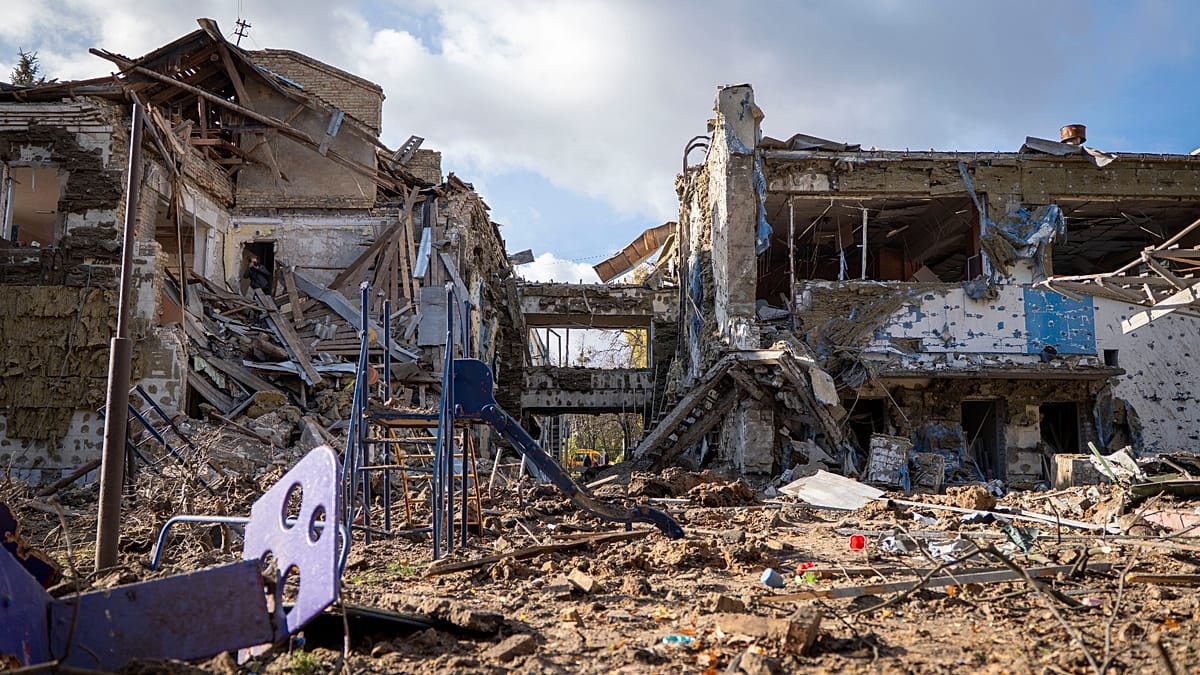
Overnight Russian strikes caused significant damage in the Kyiv region, with local officials reporting that infrastructure facilities were hit and a kindergarten in the Ukrainian capital was left in ruins. Emergency crews worked through the morning to contain a large fire that broke out at one of the affected sites.
The attacks mark another escalation in Moscow's campaign against Ukrainian civilian and energy infrastructure, a strategy that has repeatedly tested the resilience of the country's power grid and public services. In the capital, the destruction of the kindergarten has added to the growing toll on everyday life, with families in the affected neighbourhoods left to assess the damage.
Renewed pressure on the energy network
Ukraine's energy operators reported that the latest strikes had caused disruptions to electricity supply in parts of the Kyiv region, prompting emergency repairs. The renewed assault comes as Ukraine and its European partners have been working to shore up the country's energy system ahead of the winter months, when demand typically peaks.
The attacks also coincide with broader diplomatic efforts to address the conflict. As Europe's fractured voice on Ukraine peace talks draws criticism, Kyiv has continued to press its allies for more robust air defence support. Finland's defence minister recently accused the United States of stalling Patriot deliveries to Ukraine, a delay that leaves critical infrastructure more exposed to Russian missiles and drones.
In the Kyiv region, local authorities said that rescue teams had managed to prevent the blaze from spreading to nearby residential buildings, but the damage to infrastructure was substantial. The kindergarten, which had been closed since the start of the full-scale invasion, was reduced to a shell, with debris scattered across its playground.
Ukraine's energy ministry has repeatedly called on international partners to provide additional generators and repair equipment, as well as more advanced air defence systems. The European Union has pledged continued support, but the pace of deliveries has often lagged behind the urgency of the situation on the ground.
The strikes also highlight the broader security concerns for the continent. As Poland urges Europe not to sideline Eastern security in any future negotiations, the targeting of civilian infrastructure in the Kyiv region serves as a reminder of the war's direct impact on European soil.
Meanwhile, Ukraine has been exploring alternative energy partnerships, including deepening energy, trade, and defence ties with Azerbaijan. Such agreements are part of a broader effort to diversify supply routes and reduce vulnerability to Russian attacks on the domestic grid.
For residents of the Kyiv region, the latest strikes are a grim reminder of the war's persistence. Many had returned to the capital after the initial Russian withdrawal in 2022, hoping for a semblance of normalcy. Now, they face the prospect of more blackouts and the emotional toll of seeing their neighbourhoods damaged once again.
As firefighters continued to douse the smouldering ruins, Ukrainian officials reiterated their call for a comprehensive air defence umbrella, including systems that can intercept ballistic missiles. The European Union has struggled to coordinate a unified response, with some member states hesitant to commit additional resources.
The attacks come at a time when diplomatic efforts to end the war have intensified, but also fragmented. Talks on Ukraine have shifted to Abu Dhabi, where international mediators are exploring potential frameworks for a ceasefire. Yet, on the ground, the reality of the conflict remains stark, with civilian infrastructure continuing to bear the brunt of the fighting.