The United States has significantly increased its financial incentive for intelligence on Iran's nuclear activities, offering up to $20 million and the possibility of relocation to individuals who provide actionable information. The announcement, made through the State Department's Rewards for Justice program and highlighted by US Central Command, targets details about facilities, equipment, and personnel involved in Tehran's atomic efforts.
Established in 1984, Rewards for Justice has long served as a tool for Washington to gather intelligence that protects American national security. The latest offer underscores the heightened urgency surrounding Iran's nuclear file, particularly after the International Atomic Energy Agency (IAEA) reported a loss of 'continuity of knowledge' regarding key components such as centrifuges.
In a statement, the State Department said: "The regime's lack of compliance with the IAEA on safeguards obligations has led to the agency's loss of 'continuity of knowledge' regarding Iran's production and inventory of key components like centrifuges." This phrasing reflects deep concerns among Western allies, including European signatories to the 2015 nuclear deal, about the transparency of Iran's program.
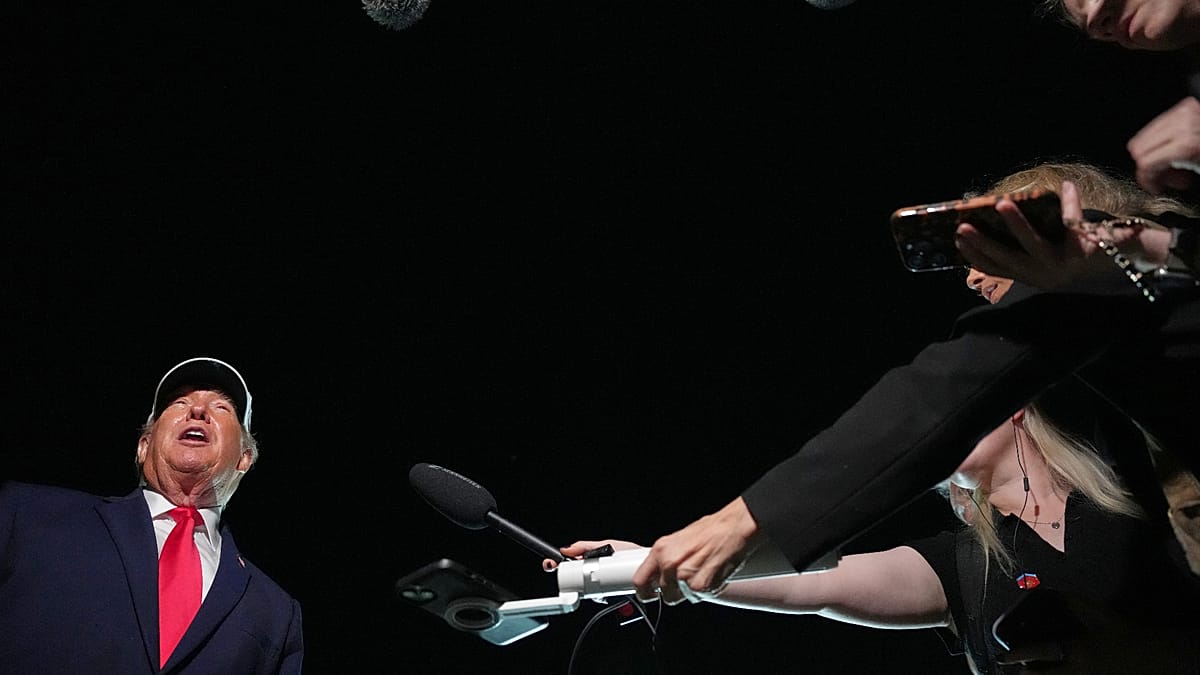
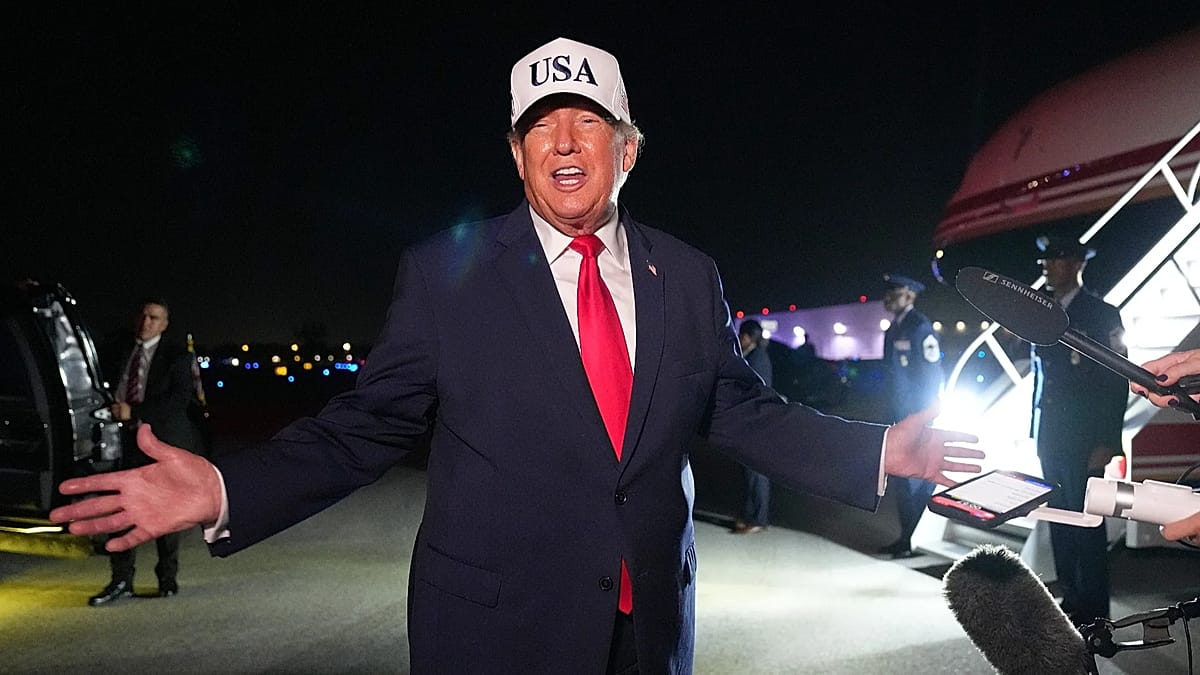
President Donald Trump has repeatedly claimed that US strikes have "obliterated" Iran's nuclear infrastructure. Speaking at the Kennedy Space Center in Florida on Friday, he asserted: "We're also ensuring that Iran will never have a nuclear weapon. They will never have it. Not even close. They're not close." He added, "If they did have it, if we didn't go in with those beautiful B2 bombers a little more than a year ago, if I allowed them to have it today, there would be no Israel."
The conflict between Iran and the US-Israeli coalition, which began in late February, has made nuclear negotiations a central pillar of any potential ceasefire. European capitals, particularly Paris, Berlin, and London, have watched these developments with acute concern, as they grapple with the broader implications for regional stability and non-proliferation efforts.
European stakes in the Iran nuclear question
For Europe, the outcome of this standoff carries direct consequences. The 2015 Joint Comprehensive Plan of Action (JCPOA) was a cornerstone of EU foreign policy, and its collapse under the previous US administration left European diplomats scrambling to preserve a framework for oversight. The current escalation, coupled with the IAEA's diminished visibility, threatens to unravel what remains of that architecture.
European intelligence agencies have also been involved in monitoring Iran's activities, and the US reward may encourage individuals within Iran's scientific community to defect or share information. However, such incentives raise ethical and legal questions about the treatment of informants, especially those who might seek asylum in Europe. The EU's asylum relocation plans could become relevant if Iranian scientists or military personnel seek refuge in member states.
Meanwhile, the broader energy crisis in Europe adds another layer of complexity. As the EU faces its lowest gas reserves since 2011, any disruption in the Middle East could further destabilize global energy markets. Iran's nuclear program, and the potential for military escalation, remains a key variable in an already volatile equation.
The US offer also comes at a time when European defense budgets are under strain, with many nations prioritizing immediate security needs over long-term diplomatic engagement. Yet, as the IAEA's monitoring capabilities erode, the need for a coordinated international response becomes more pressing. European leaders have repeatedly called for a return to diplomacy, but the window for such efforts appears to be narrowing.
In the meantime, the reward stands as a stark reminder of the high stakes involved. Whether it will yield the intelligence Washington seeks—or further complicate an already fraught geopolitical landscape—remains to be seen.