As winter approaches, the European Union is confronting a stark reality: gas reserves are at their lowest level for this time of year since 2011, and an estimated 50 million citizens cannot afford to heat their homes adequately. The bloc's energy ministers gathered in Luxembourg on 29 October, but their meeting produced debate rather than decisions, leaving households across the continent in limbo.
Storage levels and price pressures
According to the latest data, EU gas storage stood at 74% full on 20 October, the lowest seasonal level in over a decade. While Brussels insists there is no immediate risk of supply shortages, the price crisis is increasingly morphing into a supply crisis. The closure of the Strait of Hormuz—a chokepoint for roughly a fifth of global oil and gas—has been in effect for nearly eight months, driving Brent crude to $110 a barrel and sending European gas prices soaring by 140% since the onset of the conflict with Iran. Prices have topped €100 per megawatt-hour for the first time since 2022, a level that many analysts fear could persist through the heating season.
The strain is unevenly felt. In countries like Bulgaria, Romania, and parts of Poland, where energy poverty is already acute, the latest spike threatens to push millions more into difficult choices between heating, food, and medicine. Even in wealthier nations such as Germany and France, households are bracing for higher bills, and small businesses warn of closures.
What ministers discussed—and what they didn't decide
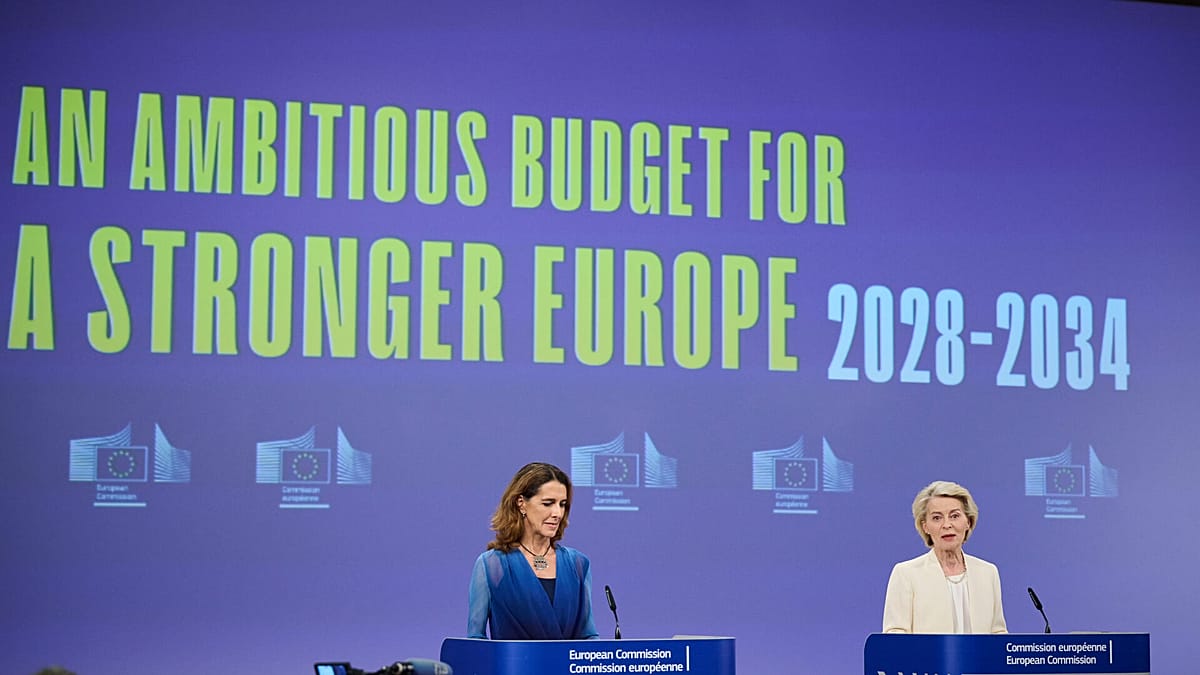
At the Luxembourg meeting, energy ministers weighed four potential packages: voluntary demand reductions; a lower storage target of 80% instead of the current 90% to avoid panic buying; expanded liquefied natural gas (LNG) imports and joint purchasing; and measures to reduce bills, including installing smart meters in half of European homes by 2030. The EU energy plan aims to address winter bills, but the meeting yielded no binding commitments.
No specific reduction targets were set, and capitals remain split on key issues. Joint purchasing, which was touted as a way to leverage the EU's collective bargaining power, faces resistance from some member states wary of ceding control over energy contracts. Energy taxation, another tool that could ease the burden on consumers, is also a point of contention. A deal on network charges—the fees that cover the cost of transporting electricity and gas—is not expected before December, leaving a critical gap in the timeline for winter relief.
The lack of urgency is puzzling to many observers. As one diplomat put it, "We are entering winter with our gas tanks emptier than at any point since 2011, and we still cannot agree on how to protect our citizens." The efforts to shield households from price spikes remain a work in progress.
What could help
Experts point to a mix of short-term and structural measures. On the demand side, easing grid strain without forcing drastic cuts in consumption is possible through smarter pricing, better insulation, and more efficient appliances. The proposed smart meter rollout, if accelerated, could help consumers shift usage to off-peak hours and reduce overall demand.
On the supply side, the EU's push for more LNG and joint purchasing could diversify sources and improve bargaining power. However, the infrastructure for LNG imports is not evenly distributed, and landlocked countries like Hungary and Slovakia remain heavily dependent on Russian pipeline gas, which has become politically and economically fraught.
The storage target debate is also telling. Lowering the target to 80% might ease the pressure on prices by reducing the scramble to fill reserves, but it also signals a lower safety margin. With the Strait of Hormuz closed, the risk of a sudden supply shock is higher than in previous years, and a lower buffer could leave the EU exposed.
Political and social implications
The energy crisis is not just an economic issue; it is a political one. In France, the government has faced protests over fuel and energy costs, while in Germany, the coalition is struggling to balance climate goals with energy security. The struggle to shield 50 million Europeans from unaffordable heating costs is a test of the EU's solidarity and its ability to act decisively.
As the December meeting on network charges approaches, the pressure is mounting. The European Commission has urged member states to find common ground, but the divisions are deep. Some countries, particularly those with lower incomes, are pushing for more aggressive intervention, while others, like the Netherlands and Denmark, are wary of market distortions.
For now, the EU's response remains a patchwork of national measures and unfulfilled promises. The coming weeks will show whether the bloc can turn debate into action before the coldest months arrive.