For nearly two months, protests have swept across European cities from Tirana to Lisbon, with housing costs emerging as a central grievance. In Rome, a 21-year-old student told AFP that a single room now costs €1,200 a month. In Berlin, rents have climbed relentlessly since 2010. The European Commission only tabled its first legislative proposal on housing last September, despite housing being enshrined in the 1948 Universal Declaration of Human Rights as a basic condition for economic security.
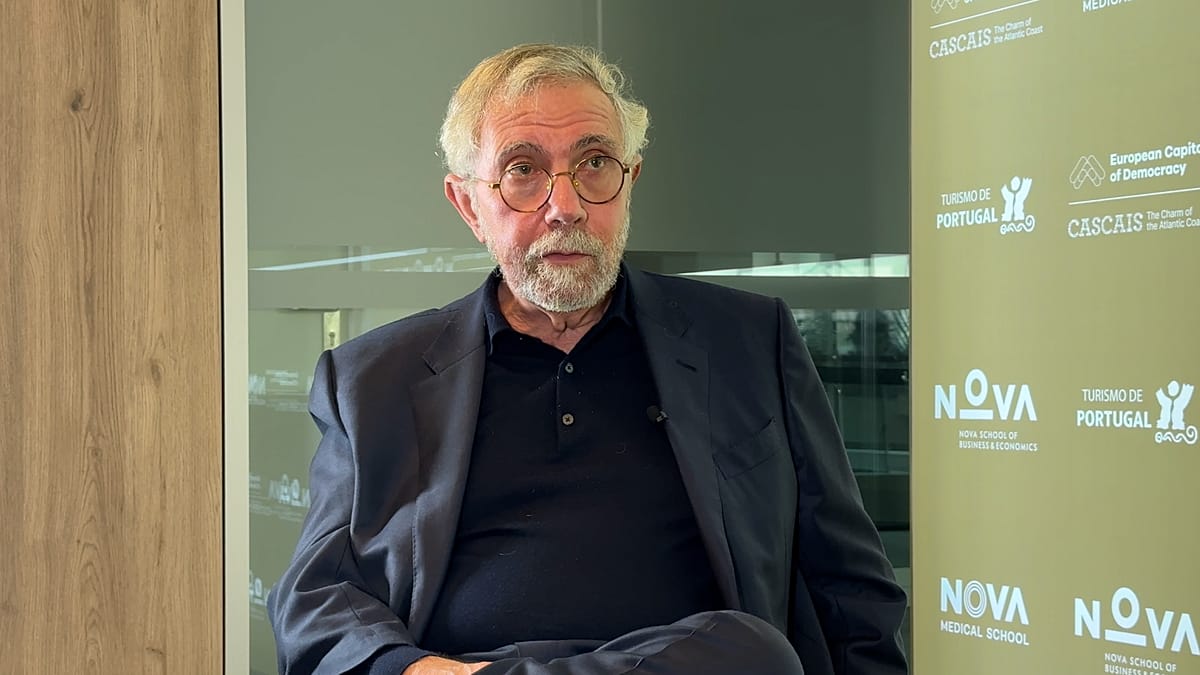
Nobel laureate Paul Krugman, speaking to Euronews, argues that the economics are straightforward: build more homes and remove construction restrictions. Where liberalisation has occurred, he notes, property prices have fallen significantly. Yet he acknowledges that the current market is "impossible" to bear, and he supports temporary rent caps as an immediate brake on speculation.
Second-generation rent stabilisation
Krugman points to New York, his home city, where rent stabilisation is being combined with construction incentives. The mayor, a left-leaning figure by European standards, has adopted a model that caps annual rent increases via an index and offers developers massive tax exemptions for up to 40 years, provided a substantial share of new units remain under regulated rents. Berlin has extended a similar scheme until 2029, limiting increases to 10% above the local average, with exemptions for new builds after October 2014.
Krugman admits the approach is imperfect but insists it is temporary. "If building goes ahead, it will not last very long," he says, adding that the positive effects are rapid. The European Students' Union has warned that speculative practices are excluding thousands from higher education, and the European University Association calculates that students not living with parents spend nearly 40% of their monthly income on housing. The Commission and Parliament also acknowledge that the financialisation of housing—where funds treat properties as profit-generating assets—is driving price surges.
In Lisbon, housing activists have been fighting for space, with a recent court ruling allowing one protester to keep a tent, while Madrid police cleared a camp at Puerta del Sol. These local battles reflect a continent-wide problem. For a deeper look at where the burden is heaviest, see our analysis of housing costs across Europe.
France's debt: too big to be saved?
Beyond housing, Krugman warns that France's public debt, at 119% of GDP, is a systemic threat. He argues that if France were on a credible path to fiscal sustainability, short-term austerity would be unnecessary. The problem, he says, is relatively straightforward: the retirement age is "absurdly low." He fears a crisis similar to Portugal's 2010–2012 ordeal, but with far graver consequences. "If France experiences a crisis, it could bring down the entire euro system," he warns. Unlike Portugal, a peripheral economy, France is the second-largest in the eurozone. Krugman concludes that France has gone from "too big to fail" to "too big to be saved," because bailing out 20% of euro area GDP is impossible.
Deindustrialisation and defensive trade
Europe also faces external shocks: US tariffs and Chinese overproduction flooding the EU market with subsidised goods. Krugman believes Europe risks deindustrialisation, though he thinks the car industry can recover. The danger, he says, is that by the time it recovers from past mistakes, the entire industrial ecosystem may have vanished. He therefore recommends "buffers" and, despite his free-trade credentials, urges Europe to adopt "temporary protectionism" to defend its industries during the adjustment period.
Krugman's pragmatic stance on rent control and trade reflects a broader shift among economists who once dismissed such interventions. As Europe grapples with housing affordability and industrial competitiveness, his voice adds weight to the argument that temporary measures can coexist with long-term structural reforms. The coming months will test whether European leaders heed that advice.