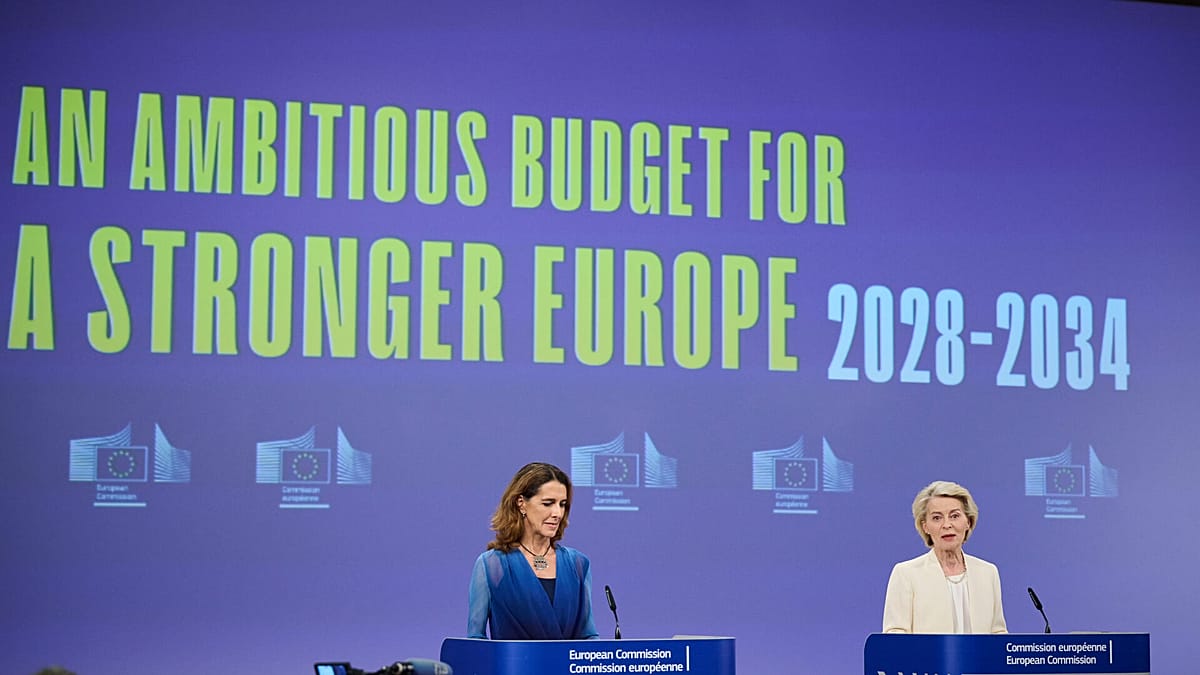
The European Commission is bringing together senior representatives from Ukraine, the United States, France, Germany, the United Kingdom, NATO, and the World Bank in Brussels on Wednesday for talks aimed at advancing Ukraine's post-war reconstruction and economic recovery. The meeting marks the latest step in a flurry of diplomatic activity that has intensified over recent weeks, involving Kyiv, Moscow, Washington, and key European capitals.
According to Euronews correspondents Shona Murray and Sasha Vakulina, the Brussels gathering is expected to focus on practical measures to rebuild Ukraine's shattered infrastructure and stabilise its economy. However, it remains unclear who will represent Kyiv and Washington at the table, reflecting the fluid nature of the negotiations.
Diplomatic push across multiple fronts
The Brussels talks follow a series of high-level engagements. On Thursday, US First Lady Melania Trump is scheduled to host Ukrainian and Russian representatives at the White House, building on a humanitarian ceasefire in the Russian-occupied city of Oleshky. Then, on 10–11 November, Washington plans to mediate direct negotiations between Kyiv and Moscow in Abu Dhabi, covering security guarantees, de-escalation, and efforts to end Russia's full-scale invasion.
European leaders have been actively involved in this diplomatic push. Norwegian Prime Minister Jonas Gahr Støre and Finnish President Alexander Stubb have both held recent conversations with Russian President Vladimir Putin, including a 90-minute phone call that Finnish sources described as “very constructive.” The call came after a tense period marked by US President Donald Trump waiving sanctions on Moscow and Ukraine losing access to SpaceX's Starlink satellite internet, which is vital for its military communications.
Finland, which shares NATO's longest land border with Russia at roughly 1,340 kilometres, has a particular stake in keeping channels open. Sources told Shona Murray that the thinking in Helsinki is that waiting for unanimous EU agreement on who should represent Europe in negotiations could delay the process for years.
Zelenskyy in Berlin seeking air defence support
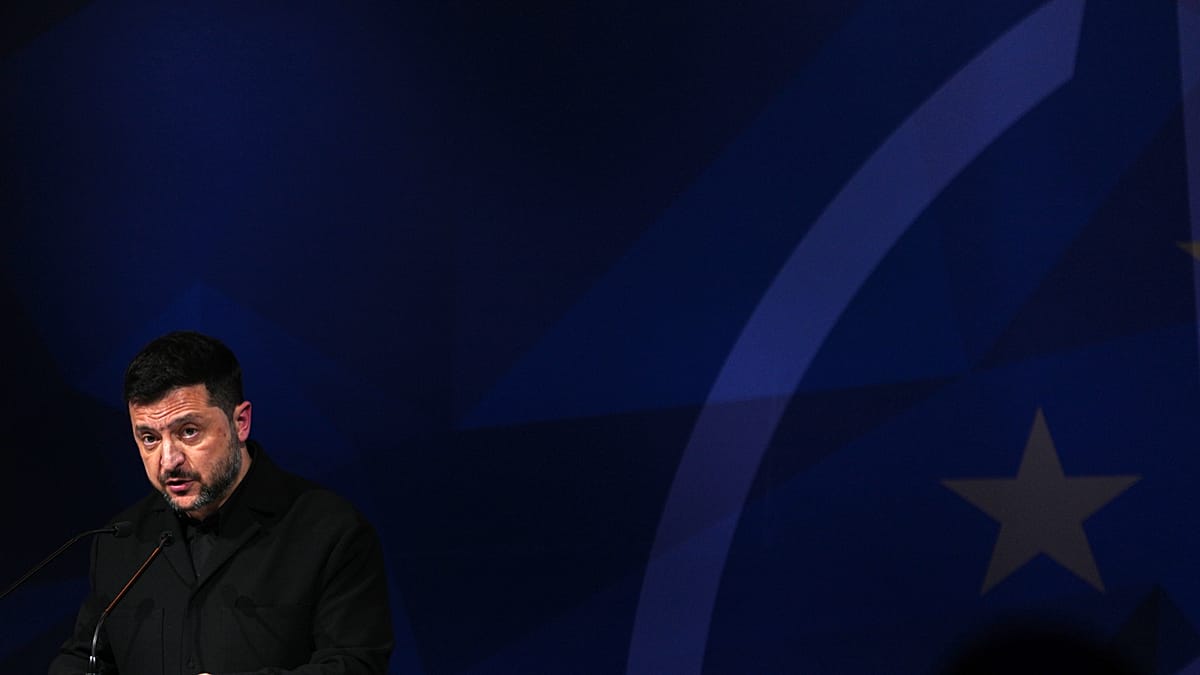
Ukrainian President Volodymyr Zelenskyy spent Tuesday in Berlin, pressing for more support to bolster Kyiv's air defences and protect its energy infrastructure from Russian strikes. German Chancellor Friedrich Merz assured Zelenskyy that Ukraine can “fully” rely on Germany, despite growing domestic unease about the scale of Berlin's military and financial aid.
Euronews reporter Jorge Liboreiro, currently in the German capital, described a “grim mood” in Berlin. “The country is grappling with multiple open fronts that, in a way, tell a broader story of European malaise: economic stagnation, industrial turmoil, budget constraints, migration backlash, foreign competition and popular discontent,” he said. “The steady rise in support for the far right has strained the ruling coalition and sent chills across the political class.”
That bleak atmosphere is spilling into foreign policy. An increasing number of Germans question the country's multi-billion-euro support for Ukraine and want it capped or reduced. Yet Kyiv faces a massive €70 billion shortfall next year, which will compel allies—particularly wealthier ones—to step up. For now, Merz appears to be staying the course.
EU enlargement in focus
The Brussels reconstruction talks coincide with the release of the European Commission's annual progress reports on candidate countries' EU accession bids. On Tuesday, heads of state and government from several aspiring members gathered at Euronews' Enlargement Summit in Brussels, ahead of the publication of the reports.
In a rare interview with international media, Georgian Prime Minister Irakli Kobakhidze insisted his government remains “very committed” to EU membership but offered no clear path to revive the country's stalled accession process. He accused Brussels of political “blackmail” and refused to reconsider the controversial laws that have frozen Georgia's EU ambitions. Our analysis of Kobakhidze's hard line is available here.
Meanwhile, Armenian Prime Minister Nikol Pashinyan told Euronews that his country could formally apply for EU membership in 2027 or 2028, framing the move as a strategic choice to protect Armenia's democracy following the 2018 revolution. The summit also saw Montenegro, Albania, Moldova, and Ukraine press for faster progress, as our coverage from the summit details.
The Commission's reports are expected to offer roadmaps for the four frontrunners—Montenegro, Albania, Moldova, and Ukraine—while highlighting the challenges that remain. As the EU looks to expand, the question of how to integrate new members without destabilising existing structures remains a central concern.