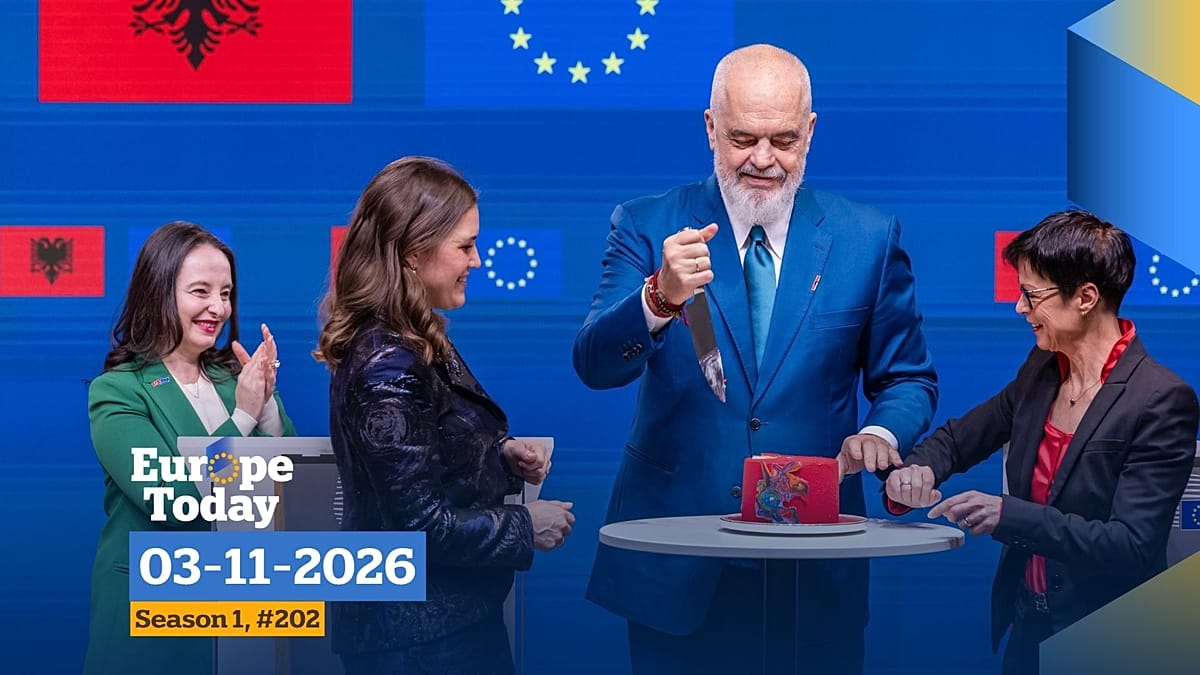
Brussels is once again the focal point of European integration as the Euronews Enlargement Summit convenes, bringing together EU leaders and the countries aspiring to join the bloc. The summit, held in the Belgian capital, comes at a critical juncture for the EU's enlargement policy, with Montenegro, Albania, and Ukraine all pressing their cases for accelerated membership talks.
Montenegro's ambassador to the EU, Petar Marković, expressed confidence that his country is the frontrunner in the accession process. In an interview on the sidelines of the summit, Marković argued that Podgorica's progress in aligning with EU standards and its track record of reforms make it the natural candidate to lead the next wave of enlargement. He pointed to the 2028 target as a realistic goal, though he acknowledged that significant hurdles remain, particularly in the areas of rule of law and judicial independence.
Ukraine's ambassador, Taras Kachka, also used the summit to reiterate Kyiv's determination to join the EU, despite the ongoing war with Russia. Kachka stressed that Ukraine's membership is not just a matter of political symbolism but a strategic necessity for the stability of the continent. He called on EU member states to move beyond rhetoric and deliver concrete steps, including the opening of accession negotiations.
Enlargement in a new geopolitical context
The summit takes place against a backdrop of heightened geopolitical tension, with the United States midterm elections dominating global headlines. Republican strategist Matt Klink, president of Klink Campaigns, joined the discussion to analyze whether the midterms serve as a referendum on Donald Trump and what a Democratic victory would mean for transatlantic relations. Klink noted that the results could reshape Washington's approach to Europe, particularly on issues like defence spending and trade.
The EU's enlargement agenda has gained renewed urgency since Russia's full-scale invasion of Ukraine. The bloc has sought to enter a decisive phase in its expansion, with the Western Balkans and Eastern Partnership countries increasingly seen as integral to European security. However, the process remains fraught with political obstacles, including resistance from some member states over issues such as corruption and minority rights.
Montenegro's bid, in particular, has been closely watched. The country has been in accession talks since 2012, and Brussels has praised its progress, but the final stages require unanimous approval from all 27 member states. Marković acknowledged that the pace of reforms must accelerate, especially in the judiciary, to meet the 2028 deadline. He also highlighted the importance of regional cooperation, noting that Montenegro's success could pave the way for its neighbours.
Ukraine's path is more complex, given the ongoing conflict and the need for post-war reconstruction. The EU has already granted Ukraine candidate status, but formal negotiations have yet to begin. Kachka insisted that Ukraine is ready to start the process, arguing that the country's resilience on the battlefield is matched by its commitment to reform. He also called on the EU to maintain its financial and military support, warning that any delay would only benefit Moscow.
The summit also comes as the EU grapples with internal challenges, including the lingering scars of Brexit and the need to bolster its defence capabilities. The bloc recently reopened €21.3 billion in defence loans, a move that could benefit Ukraine and other partners. These initiatives reflect a broader effort to make the EU a more credible security actor, a theme that resonates with the enlargement debate.
Meanwhile, the US midterms are being watched closely in European capitals. A Democratic win could signal a more predictable transatlantic relationship, while a Republican sweep might embolden Trump's 'America First' agenda, potentially affecting NATO solidarity and support for Ukraine. Klink suggested that the outcome will test Trump's influence within the Republican Party, but he cautioned against expecting dramatic shifts in foreign policy regardless of the result.
As the summit concludes, the message from Brussels is clear: enlargement is back on the agenda, but it will require political will and concrete reforms from all sides. For Montenegro, Albania, and Ukraine, the road to membership remains long, but the momentum is palpable. The coming months will be crucial in determining whether the EU can translate its promises into action.