The United States carried out fresh, limited airstrikes against Iranian air defense systems on Qeshm Island late on Friday, deepening anxiety across the Gulf even as Washington and Doha insisted that diplomatic efforts to avert a wider conflict remain on track.
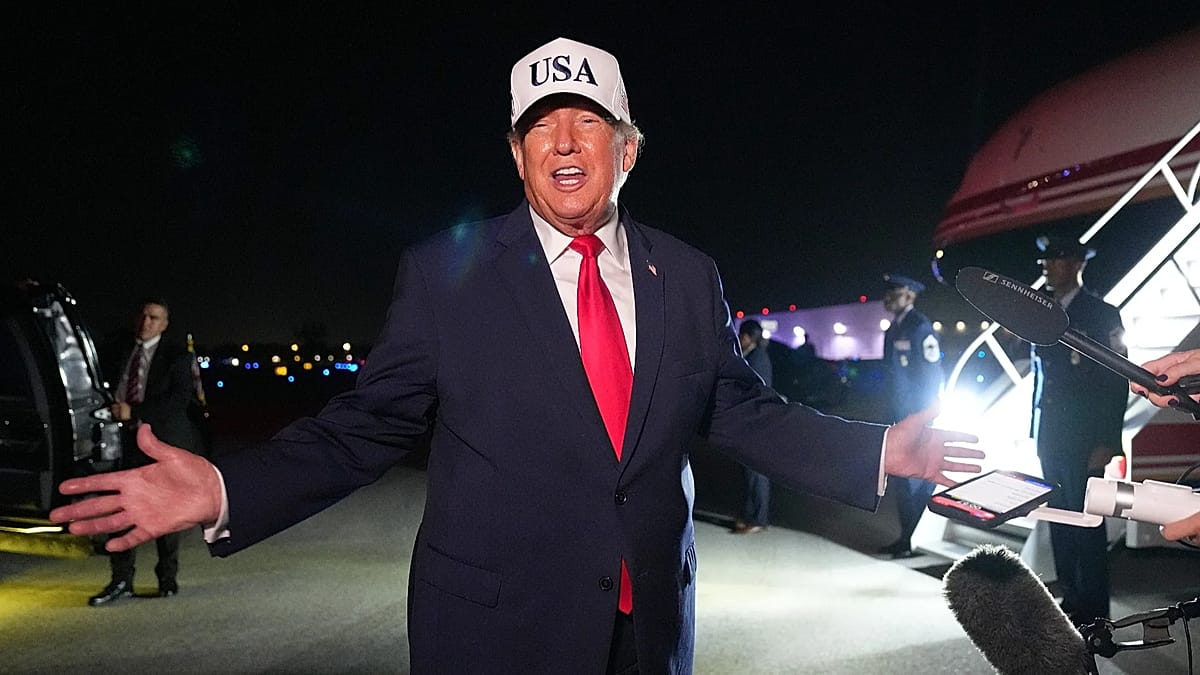
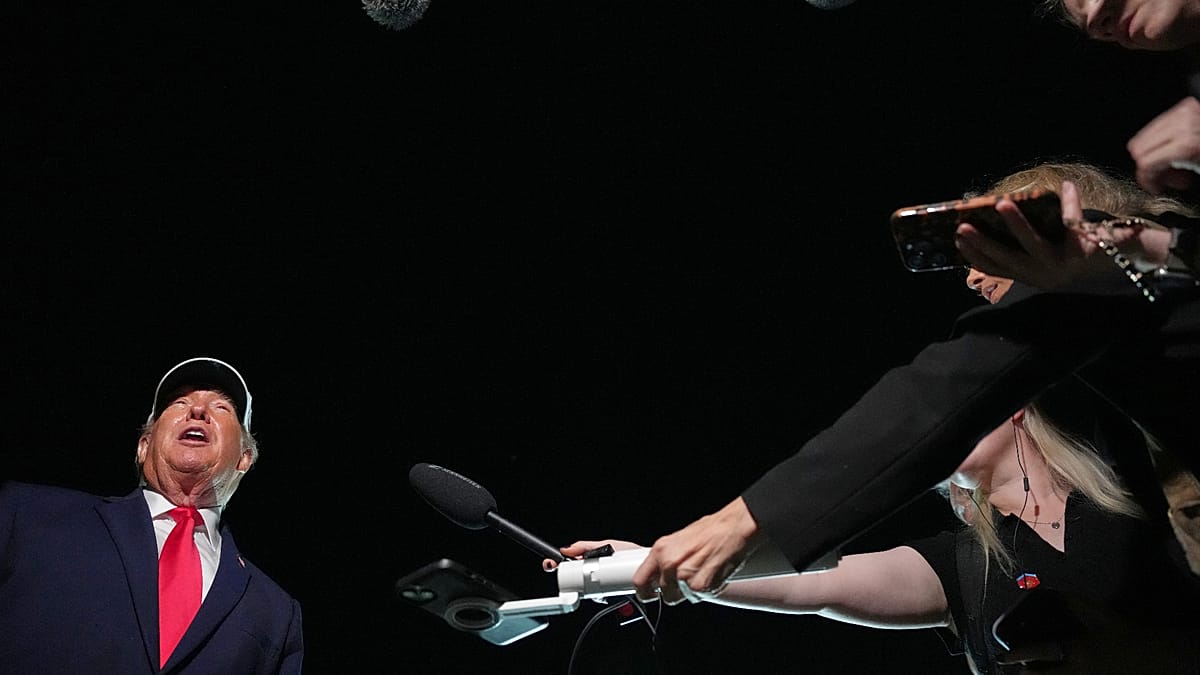
President Donald Trump described the operation as a “minor strike,” telling reporters that the target was an anti-aircraft installation. “They built a little bit of an anti-aircraft device and we knocked it out in about 15 minutes, maybe five,” he said. Trump stressed that “we are not fighting” and claimed that “a lot of progress” had been made in negotiations mediated by Qatar, adding: “They want to make a deal.”
Iranian state media reported two missiles striking the Suza area of Qeshm Island, without specifying the target or damage. Local residents shared videos of explosions on social media. Earlier on Friday, the Islamic Revolutionary Guard Corps (IRGC) said it had shot down a US drone over southern Iran, a claim Washington did not confirm.
The strike came just days after a similar US operation on Monday, when explosions were heard on Qeshm and Hengam islands in the Strait of Hormuz and near the mainland port of Bandar Abbas. That attack followed the Democratic Party's victory in the US midterm elections, which analysts linked to public disapproval of Trump's decision to enter into a conflict with Iran.
Speaking in Florida on Friday, Trump defended his policy, arguing that allowing Iran to develop a nuclear weapon would threaten Israel's existence. “If I allowed Iran to have a nuclear weapon, today there would be no Israel,” he said, adding that “Israel would have been wiped off the face of the Earth.”
Qatar insists talks continue
Doha moved quickly to counter reports that negotiations had collapsed. In a statement, Qatari mediators said they remained “in close coordination with the United States and Iran to support ongoing negotiations.” Two Middle Eastern officials told the Associated Press that Iran was reviewing new Qatari proposals aimed at narrowing differences over Tehran's nuclear program.
However, one official cautioned that Iran remains unwilling to engage directly with the Trump administration on atomic issues until the US meets several core conditions. Tehran has demanded an end to the US naval blockade of its ports, the lifting of sanctions, the unfreezing of Iranian assets, compensation for war damage, and a halt to hostilities across the region, including Israeli operations in Lebanon.
The nuclear file remains the thorniest point in any potential deal to end the more than eight-month-old war. Trump has insisted that any agreement must address Iran's atomic activities, but Tehran has linked such talks to broader concessions.
Diplomatic activity intensified over the weekend. Trump spoke by phone with Qatar's Emir, Sheikh Tamim bin Hamad Al-Thani, to discuss “ongoing diplomatic efforts aimed at de-escalating tensions in the region,” according to Qatar's state news agency. The emir stressed the importance of dialogue and diplomacy to resolve disputes, safeguard freedom of navigation, and secure energy supplies.
US Secretary of Defence Pete Hegseth also spoke with his Qatari counterpart, Sheikh Saoud bin Abdulrahman Al Thani. Qatar's Prime Minister and Foreign Minister, Sheikh Mohammed bin Abdulrahman bin Jassim Al Thani, told an event at Oxford University that Doha had worked with “very genuine intentions” in the US administration to contain the crisis. “We will never have a perfect peace deal, but we cannot just wait for this moment of a perfect deal and avoid having a good deal,” he said.
Iranian Foreign Minister Abbas Araghchi said he had spoken with at least twelve foreign ministers over two days to explain Tehran's “fundamental positions.” In an Instagram post, he called for “regional security arrangements without the interference of superregional powers.”
On Saturday, an Iranian army spokesman, Brigadier General Mohammad Akraminia, warned that “we will never allow the enemy's bases in the region to be rebuilt,” according to the Fars news agency. Danny Citrinowicz, a former head of research in Israel's military intelligence, wrote on X that “Tehran is not intimidated by the prospect of another confrontation with the United States and Israel,” and that an attack would likely prompt Iran to expand its response.
The situation remains volatile, with European capitals watching closely. The EU has repeatedly called for restraint, and Europe's fractured voice on international crises has been a recurring theme. Meanwhile, Poland has urged Europe not to sideline Eastern security in broader negotiations, a concern that resonates as the Gulf crisis unfolds.