Liverpool FC has confirmed it is taking action against the sale of unauthorised football shirts that carry pro-Palestinian slogans and feature a modified version of the club's crest. The Premier League club says it is concerned that supporters could mistake the counterfeit products for official merchandise.
The shirts, sold through the website "From Palestine to the World," are among a range of fake jerseys for several English clubs that have been altered to convey political messages. Club crests, lettering and sponsor logos have been changed without permission, prompting legal responses from the clubs involved.
Altered crests and slogans
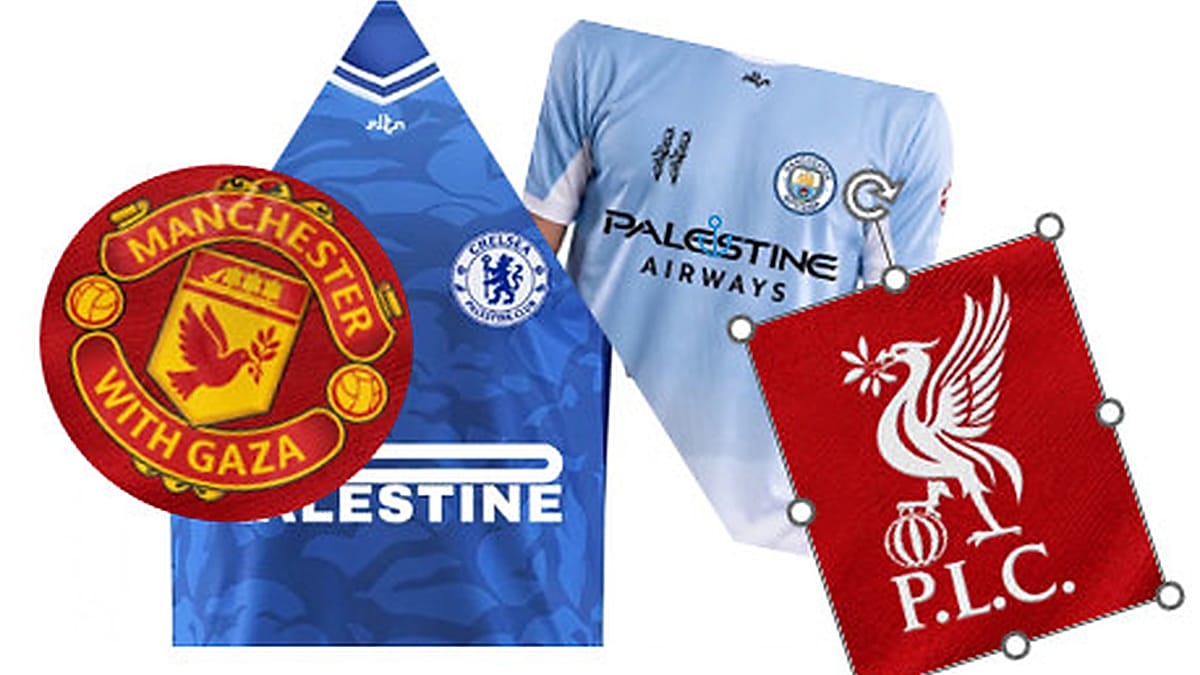
Liverpool's iconic crest has been modified to include the initials "P.L.C.," which stand for the Palestine Legislative Council. The club has already reported the listings to website operators and social media platforms, citing potential breaches of UK trademark law under the Trade Marks Act 1994. Further legal steps are planned.
Other clubs have also been affected. Manchester United's crest has been combined with the slogan "Manchester with Gaza," featuring a dove of peace carrying an olive branch. The club has passed the matter to its brand protection department. Chelsea's crest has been transformed into "Palestine Club," with the word "Palestine" replacing the usual sponsor logo. The club has referred the case to its internal review team.
Manchester City's shirt has had its sponsor, Etihad Airways, replaced by "Palestine Airways." The club has acknowledged receipt of the complaint but has not yet announced specific measures.
The legal action follows a warning from UK Lawyers for Israel (UKLFI), which alerted four Premier League clubs to possible trademark infringements on 26 October. The organisation published an article about the issue, and the Jewish News reported on it on 5 November.
Under UK law, using protected club crests and logos without authorisation can constitute trademark infringement. While political expression and support for Palestine are generally protected, that protection does not extend to the unauthorised use of registered trademarks.
Liverpool's move reflects a broader trend of clubs protecting their intellectual property in an era of politically charged fan merchandise. The club has not commented on the political message itself, focusing instead on the legal and commercial implications of the counterfeit goods.
The case also highlights the challenges of policing online marketplaces, where such items can be sold across borders. As European clubs increasingly rely on global fan bases, the need to safeguard brand integrity has become more pressing.
For now, Liverpool FC is taking a firm stance, signalling that it will not tolerate the unauthorised use of its crest, regardless of the political cause attached to it.