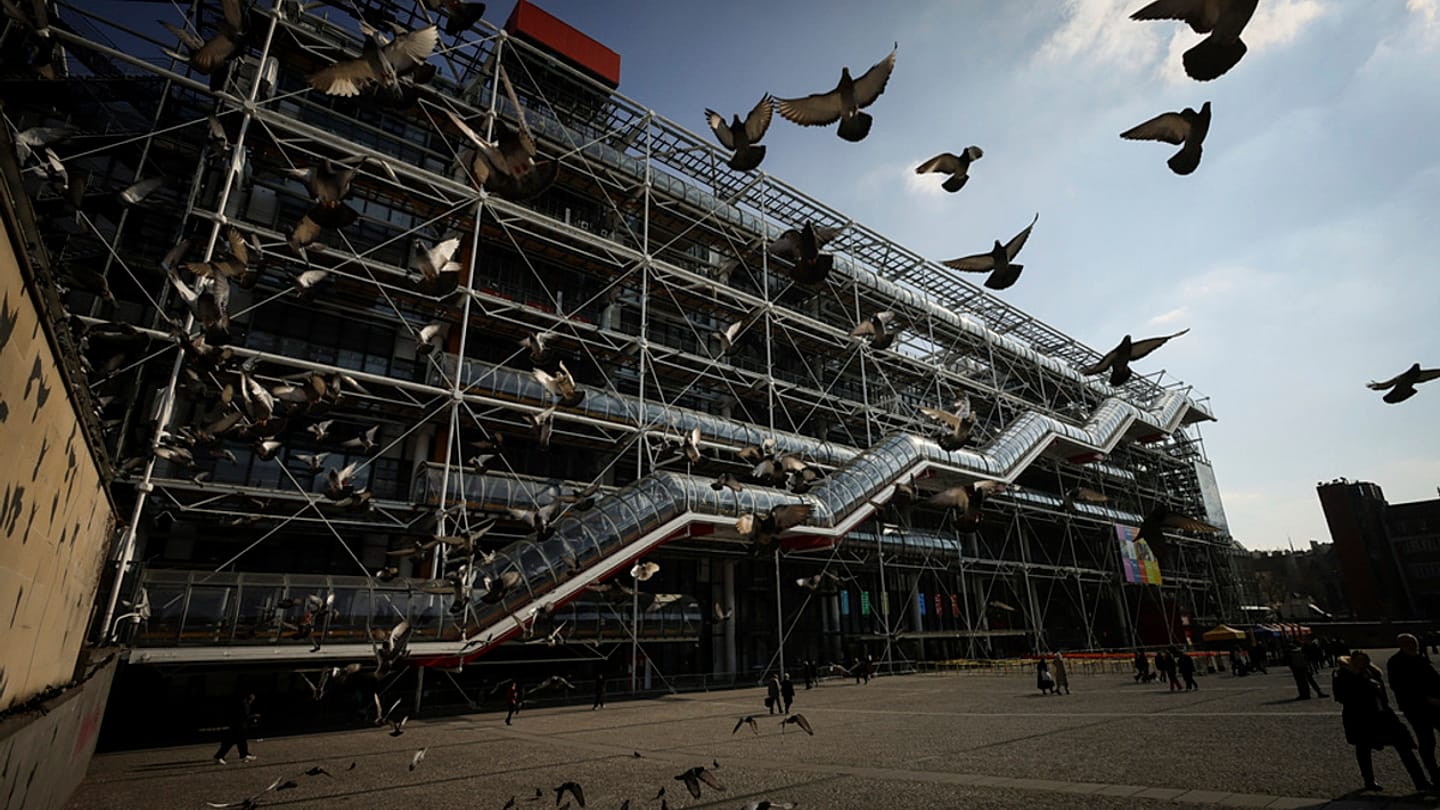
The Centre Pompidou, Paris's iconic museum of modern art, has inaugurated a new international branch in Seoul, South Korea, with a substantial exhibition dedicated to cubism. This move marks the latest step in the French institution's strategy to extend its cultural footprint beyond Europe, following similar outposts in Málaga, Shanghai, and Brussels.
A Four-Year Cultural Exchange
Under the so-called “Constellation” programme, the Centre Pompidou will loan a curated selection of works from its vast collection to the Seoul outpost for a period of four years. The agreement, signed with the Hanwha Cultural Foundation, mirrors the terms of previous international partnerships and gives the museum a renewed opportunity to project French and European artistic heritage into Asia.
The inaugural exhibition focuses on cubism, the revolutionary early-20th-century movement pioneered by Pablo Picasso and Georges Braque. Visitors in Seoul will be able to view masterpieces that rarely travel outside France, offering a rare chance to engage with a pivotal moment in European art history.
This expansion comes at a time when European cultural institutions are increasingly looking to build bridges with Asian audiences. The Centre Pompidou's presence in Seoul is part of a broader trend: the Musée d'Orsay has also been active in addressing historical legacies through international exhibitions, while the Pompidou itself has long championed global outreach.
The choice of Seoul is strategic. South Korea has a vibrant contemporary art scene and a growing appetite for Western modernism. The Hanwha Cultural Foundation, a corporate entity with deep roots in Korean industry, provides both financial backing and local expertise, ensuring the project is sustainable beyond the initial loan period.
Critics, however, question whether such outposts dilute the original museum's identity. The Centre Pompidou's leadership argues that the Constellation programme is designed to foster genuine cultural dialogue rather than mere brand extension. By rotating works every few years, the museum aims to keep the exhibitions fresh and responsive to local interests.
For European readers, the Seoul outpost represents a soft-power success. It demonstrates how European cultural institutions can maintain relevance in a globalised art market, even as competition from American and Asian museums intensifies. The cubism exhibition, in particular, underscores the enduring influence of European artistic movements on world culture.
The project also has economic implications. Cultural diplomacy often paves the way for broader bilateral ties, and France has been keen to strengthen its relationship with South Korea in sectors ranging from technology to defence. The European tour of Indian Prime Minister Narendra Modi earlier this year highlighted similar dynamics, where cultural exchanges complemented trade and tech deals.
As the Centre Pompidou's Seoul branch opens its doors, it will be watched closely by other European museums considering similar ventures. The success of this four-year experiment could determine whether the Constellation model becomes a template for future international collaborations.