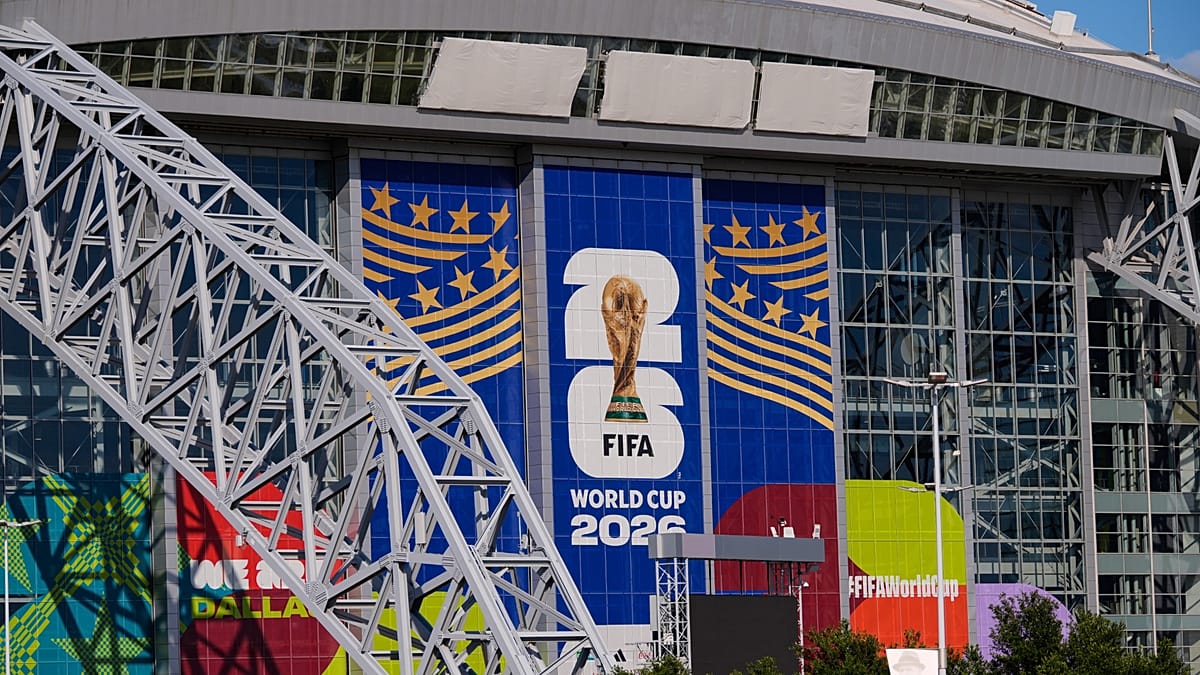
As football fans across Europe and the globe count down to the FIFA World Cup, cybercriminals have already set up thousands of fraudulent campaigns designed to exploit the tournament's hype. The event, which organizers tout as the largest of its kind, will see 104 teams compete across 16 cities in Canada, the United States, and Mexico starting later this week.
Cybersecurity firms Fortinet and Check Point have documented a surge in malicious activity, with fake websites, social media profiles, and phishing schemes targeting unsuspecting supporters. Both the Canadian and U.S. governments have issued warnings for spectators to remain vigilant.
Fake FIFA Websites and Merchandise Stores
One of the most common tactics involves counterfeit FIFA-branded websites. Fortinet identified over 13,000 World Cup-themed domains registered between January and May, of which approximately 8% were classified as malicious or suspicious. These sites use keywords related to the tournament and abuse FIFA's branding to lure users seeking tickets, schedules, or merchandise.
“The goal is to steal sensitive information such as payment card details, personal identification data, and login credentials,” Fortinet noted. Victims are tricked into buying fake tickets or travel packages, often through urgent messages on platforms like Telegram. Check Point described this as a “card not present” fraud, a method also seen during the 2022 World Cup and the 2024 Paris Olympics.
Some scammers post fake travel bundles—including tickets, hotels, and transportation—on Telegram, creating a false sense of urgency. Users are redirected to a sham checkout page where they enter personal and payment information, only to receive a fake invoice. Others replicate gambling sites, distributing trojanized betting apps disguised as legitimate software.
Social Media Scams and Fake Job Ads
Cybercriminals have also created 1,700 fake social media profiles on Facebook and Instagram, according to Fortinet. These accounts use FIFA branding to spread misinformation, phishing links, and fraudulent promotions. On LinkedIn, scammers circulate fake job advertisements for short-term roles in event staffing, hospitality, logistics, and media support. They impersonate real recruitment agents and direct applicants to phishing sites embedded in fake calendar invites.
On platforms like Facebook, X, and Telegram, fake streaming links promise live broadcasts of matches, often appearing minutes before kick-off in closed groups. Users are pressured to register quickly or install a fake “player,” which can compromise their devices. However, Fortinet noted that fans have been quick to spot many of these scams, turning to Reddit to verify suspicious links.
European Pulse reached out to these platforms for comment on their content moderation efforts ahead of the World Cup but did not receive an immediate response.
How European Fans Can Protect Themselves
Check Point recommends verifying domain names and email addresses before clicking on any World Cup-related links. For hospitality packages, fans should book exclusively through FIFA's official partner, On Location, or directly with hotels. Using a credit card rather than a debit card offers stronger fraud protection for online purchases.
“If something seems suspicious, slow down before acting,” the firm advised. “Buying into urgency makes it easier to fall for a scam.”
These threats come amid broader cybersecurity challenges across Europe. As Germany moves to authorize active cyberdefence against AI-enhanced attacks, and the EU phases out Chinese inverters in funded energy projects over cyber threats, the World Cup serves as a reminder that cybercriminals adapt quickly to major events. For European fans, staying informed is the first line of defense.



