Energy giants ExxonMobil and QatarEnergy have formally declared two natural gas discoveries in Cyprus's exclusive economic zone as commercially viable, marking a potential milestone for the Eastern Mediterranean as an alternative energy corridor for Europe. The declaration, signed in Nicosia on Tuesday, covers the Glaucus and Pegasus fields in Block 10, which are estimated to hold more than 7 trillion cubic feet of gas.
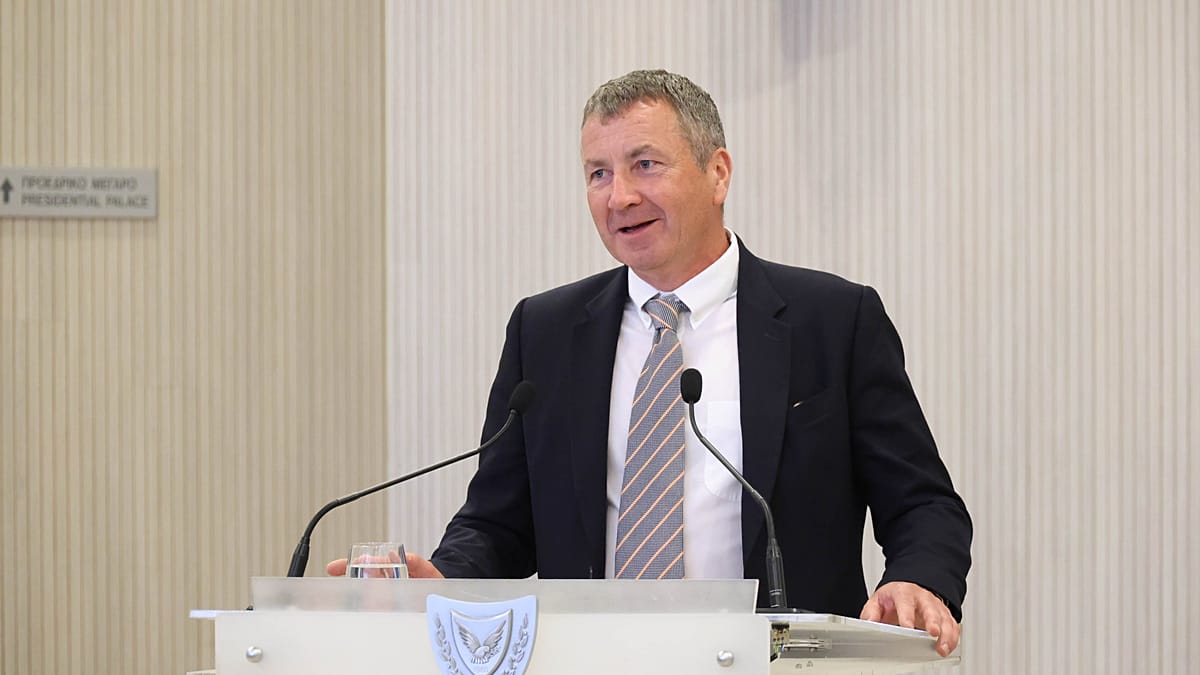
John Ardill, ExxonMobil's vice president of global exploration, indicated that natural gas could begin flowing from the fields by 2033. "What we should tell ordinary people is we have been working very diligently together between government and investor to make these discoveries and we’re working very diligently to get the gas flowing for the people of Cyprus," Ardill said, according to the Associated Press.
Strategic Implications for European Energy Security
The development comes as the European Union intensifies efforts to diversify its energy supplies following Russia's full-scale invasion of Ukraine in February 2022. The bloc has committed to phasing out imports of Russian gas by late 2027, a goal that has spurred investment in alternative sources and infrastructure. The EU has designated a "Mediterranean gas hub" in southern Europe to facilitate this transition, aiming to make the region a "key source and route for supplying gas" to member states.
Cypriot President Nikos Christodoulides hailed the signing as a "major step towards establishing the Eastern Mediterranean as a credible alternative energy corridor for Europe." The statement underscores Cyprus's ambition to position itself as a regional energy player, leveraging its offshore resources to attract investment and strengthen ties with EU partners. The island nation recently concluded its six-month presidency of the EU Council, which focused on budget negotiations and Middle East issues, and now sees energy as a key pillar of its foreign policy.
Saad Sherida Al-Kaabi, Qatar's minister of state for energy affairs and CEO of QatarEnergy, described the declaration as an "important step in advancing the development of offshore resources in Cyprus and in reinforcing regional energy cooperation across the Eastern Mediterranean." QatarEnergy's involvement highlights the growing role of Gulf states in European energy markets, a trend accelerated by the war in Ukraine.
The Glaucus and Pegasus fields are among the largest discoveries in the Eastern Mediterranean, a region that has seen increased exploration activity over the past decade. However, development has been slow due to geopolitical tensions, including disputes between Cyprus and Turkey over maritime boundaries, as well as the high costs of deepwater extraction. The 2033 timeline reflects the technical and regulatory hurdles that remain, but the declaration of marketability signals that the consortium considers the project economically viable under current market conditions.
For Cyprus, the potential revenue from gas exports could provide a significant economic boost, particularly as the country's tourism sector faces headwinds from regional instability. The broader European context is also critical: while the EU pushes for renewable energy, natural gas is seen as a transitional fuel to ensure energy security during the shift away from coal and Russian imports. The Mediterranean hub could help supply countries like Italy, Greece, and Bulgaria, which have historically relied on Russian gas.
Environmental groups have raised concerns about locking in fossil fuel infrastructure, but proponents argue that European gas demand remains robust, especially as domestic production declines. The EU's own data shows that gas demand rose in several member states last year, even as output fell, underscoring the need for diversified imports. The Cyprus fields, if developed, could complement supplies from Norway, Algeria, and liquefied natural gas terminals across Europe.
The next steps involve detailed engineering studies, securing financing, and obtaining regulatory approvals from Cypriot authorities. ExxonMobil and QatarEnergy will also need to negotiate sales agreements with European buyers, potentially including state-owned utilities and private firms. The project's success could encourage further exploration in the Eastern Mediterranean, reshaping the region's energy map and reducing Europe's dependence on Russian gas.