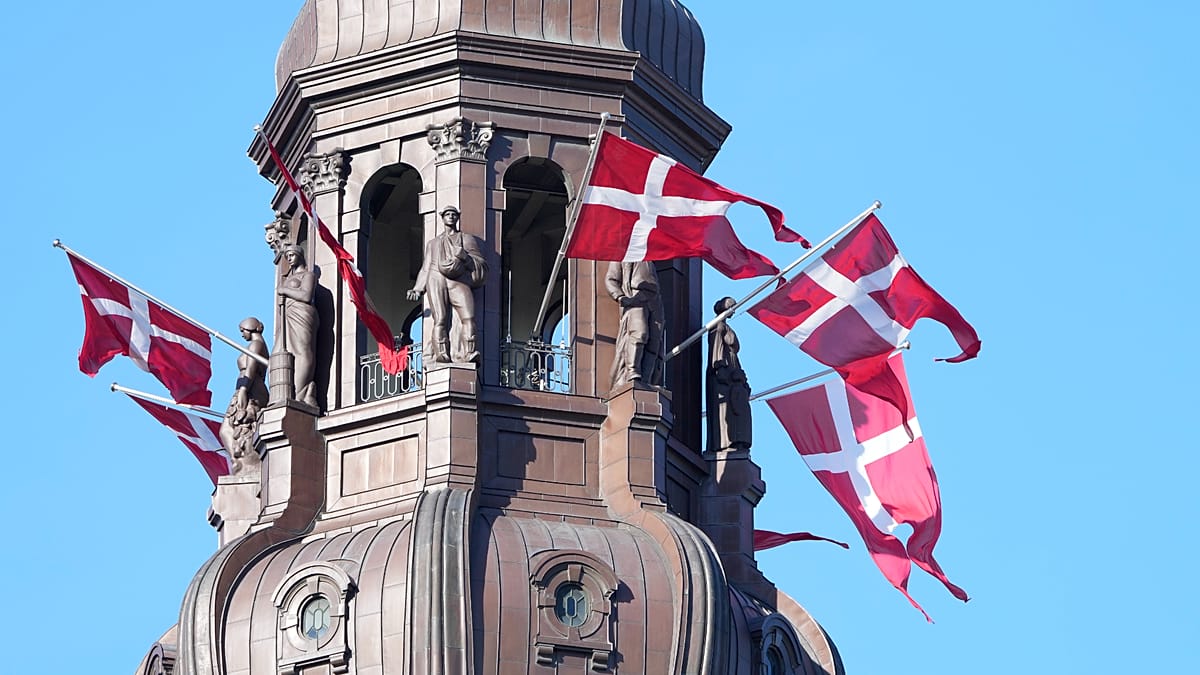
Denmark is often cited as one of Europe's most secular nations, yet every spring thousands of 14- and 15-year-olds don white dresses and suits for confirmation. This Christian rite, administered by the Evangelical Lutheran Church, has long served as a pivotal social milestone. However, a quiet shift is underway: a growing number of Danish teenagers are questioning the religious underpinnings of the ceremony and seeking alternatives that preserve the celebration without the faith.
According to the Church of Denmark, 64.2% of the confirmation-age cohort were confirmed in 2025, down from roughly 70% a decade earlier. While still a majority, the decline reflects a broader trend among younger Danes who view religion as a private or cultural matter rather than a central part of daily life. As of 2026, about seven in ten Danes remain members of the national church, but active participation is far lower.
Humanist Confirmation: A Secular Alternative
One prominent alternative is the humanist confirmation run by the Danish Humanist Society. Nora Pihl, now 15, chose this path after deciding she did not believe in God. “At first it was for the presents and the party, to be completely honest. But when I started doing the preparation, it was actually really nice,” she said. The programme includes classes where young people discuss ethics, identity, relationships, and what it means to become an adult, followed by a ceremony marking the transition.
Pihl’s secular ceremony took place in the auditorium of Copenhagen’s Royal Library, with her family in attendance. She received a diploma, much like her peers in church confirmations, and wore a white dress—the customary attire for the rite of passage. “You learn a lot about how to become a better person and how to behave towards others,” she added.
Her father, Martin Pihl, acknowledged the social pressure to mark the milestone. “We didn’t think it was essential for her to do a ritual. But… pretty much everyone does something or gets something. So it would be unnatural not to,” he said. He noted the positive impact on his daughter: “I can see what it has done for her, I really believe it’s a great thing.”
The Social and Financial Weight of Confirmation
Confirmation in Denmark is not solely about belief—it is deeply tied to belonging and teenage social life. The Church of Denmark’s education and knowledge centre noted that “one of the explanations for why the confirmation rate remains at a relatively high level is probably that confirmation has great social significance and is an event that the confirmed often has in common with their classmates.” This social dimension is also reflected in the cost. A 2025 survey by Nordea estimated that Danish parents spend an average of 39,000 DKK (around €5,164) on a confirmation party. Martin Pihl observed that some families now include “ridiculous things” such as “kids getting picked up in limousines and flown in helicopters.”
Beyond humanist confirmations, some young Danes are turning to other secular programmes focused on adulthood, identity, relationships, sex, and consent. These alternatives remain niche, but they signal a broader desire to mark the transition to adulthood without religious doctrine. The trend echoes similar shifts in other Nordic countries, where secular coming-of-age ceremonies have gained traction.
For many families, the choice is not about rejecting tradition but about adapting it. As Nora Pihl’s story shows, the core elements—a ceremony, a gathering of loved ones, a symbolic step into adulthood—can be preserved even when the religious content is stripped away. In a country where the church remains intertwined with national identity and major life events, from baptism to funerals, this evolution reflects a changing relationship with faith.
For more on how young Europeans navigate tradition and modernity, see our report on where Europe's young hold the most wealth. And for a glimpse of Danish cultural life, read about the giant dragon and octopus kites at the Fanø Festival.