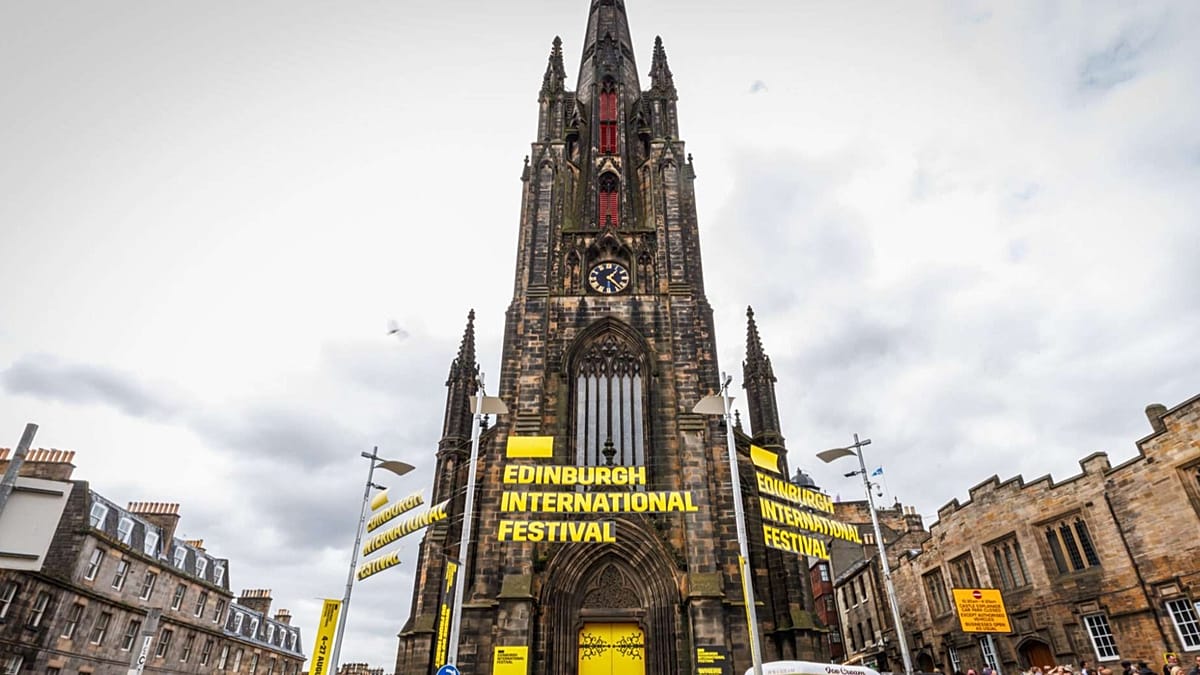
Audiences attending the 2026 Edinburgh International Festival (EIF) will be asked to keep their smartphones stowed away during performances. The festival, which runs each August in Scotland's capital, announced that its Queen's Hall chamber series will be entirely phone-free, a policy it calls 'Lights Down, Phones Off'.
The decision follows growing frustration among both artists and attendees. In a statement, EIF organisers noted that during the 2025 edition, phones interrupted every single concert in the Queen's Hall series, disrupting the experience for those present and complicating radio broadcasts that reach thousands of listeners across Europe.
'We're acting on what audiences and artists have told us: phones are disruptive,' the festival said. 'Before the performance begins, feel free to snap a photo, send that last message, or share the moment online. The same goes for the interval or curtain call. But during the performance itself, take the opportunity to be fully present.'
Artists and Audiences Demand Focus
The move aligns EIF with a growing number of touring acts who insist on phone-free environments. US singer Phoebe Bridgers recently banned phones at her European and North American arena tours, joining Bob Dylan, Jack White, Tool, and Placebo. The trend reflects a broader pushback against digital distractions in cultural spaces, similar to initiatives like YOTEL Hotels' 'Anti-Appy Hour' aimed at curbing guest phone use.
Nicola Benedetti, the Grammy-winning violinist who serves as EIF director, framed the policy as a defence of live performance's unique power. 'Live performance is unlike anything else, and the Edinburgh International Festival is here to protect the rarity of this experience,' she said. 'The power of our programme is intensified by the tangible, collective presence of everyone in the room, and we want you to be with us fully.'
Benedetti quoted the late pianist Alfred Brendel, whom the festival honours in its 2026 Queen's Hall series: 'The audience's contribution is concentration and silence – it's an electricity the musician can charge from.' She added, 'That electricity is real, I've felt it from the stage my whole life. We encourage our audiences to switch off their phones, and let the art do the rest.'
Not everyone in the music world supports such bans. In 2024, Blur frontman Damon Albarn criticised Bob Dylan's phone-free policy, telling the BBC that artists should focus on engaging audiences rather than restricting them. 'People won't want to be on their phone if you're engaging with them correctly,' Albarn argued. 'If you start banning things, where does it end?'
EIF organisers have tried to make the transition easy. Staff will be on hand to help audience members turn off their phones, including silencing ringtones, notifications, and scheduled alarms. The festival's Queen's Hall series, which features a hand-picked programme of dance, opera, music, and theatre, is a cornerstone of Edinburgh's summer cultural calendar, drawing visitors from across the UK and Europe.
The policy arrives as other European festivals experiment with similar measures. Fête de la Musique 2026 in France, for instance, encourages audiences to immerse themselves in live performances without digital interruptions. The debate over phones in cultural venues is likely to intensify as more artists and organisers weigh the benefits of enforced focus against the risk of alienating audiences accustomed to documenting their experiences.