Estonia has formally approved the closure of all road crossings on its border with Russia from 1 December, a decision prompted by a sabotage attack on a defence company that Tallinn attributes to Russian military intelligence. The government said the measure is a direct response to Moscow's ongoing hostile actions against Estonia and other European countries.
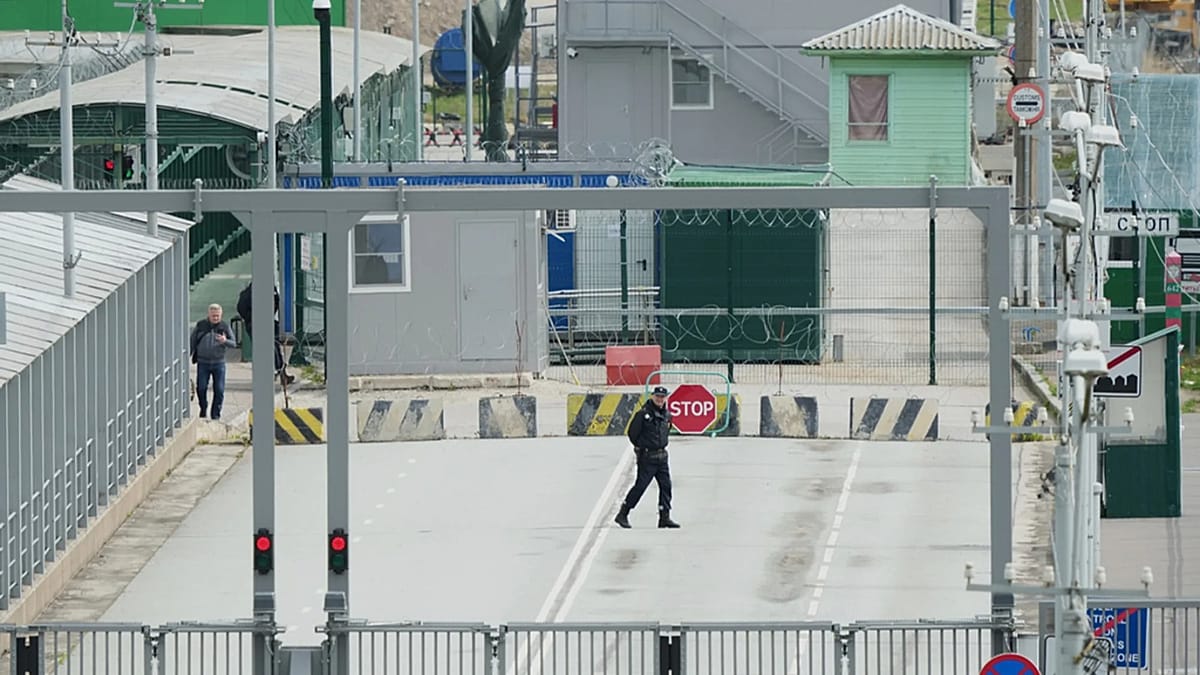
All five checkpoints — Narva-1, Narva-2, Koidula, Luhamaa and Saatse — will be shut, though the cabinet said it may review the decision after six months. Rail services will continue to operate, and pedestrian crossings at Narva, which had remained open after Russia suspended road traffic there in February 2024, will also be closed.
Prime Minister Kristen Michal said in a statement: "We will not allow Russia to use our openness against us." The closure follows an attempted arson at the Threod Systems defence facility in Viimsi, near Tallinn, on the night of 14 November. Production and products were undamaged, but Estonian authorities detained eight people from Latvia in connection with the incident.
Foreign Minister Margus Tsahkna announced last Sunday that Estonia was considering closing the border, citing evidence that the GRU, Russia's military intelligence agency, had ordered the attack. The Estonian Internal Security Service (Kapo) said Russian security services authorised both this operation and an earlier attack on an Estonian defence company this year.
Security concerns vs. openness
The decision has not been without debate. President Ülle Madise urged the cabinet not to act "under the influence of emotions," while acknowledging that keeping the borders open meant extra work for Kapo. Her comments reflect a broader tension in the Baltic region between maintaining normal cross-border ties and protecting national security.
Estonia is not the first EU country on Russia's border to take such a step. Finland closed its land border with Russia in December 2023, and Latvia, Lithuania and Poland have significantly curtailed crossings at their eastern borders in recent years. The move also comes amid heightened concerns about Russian sabotage across Europe, including a suspected plot in Denmark and missile incursions into Polish airspace.
In practice, only three of the five checkpoints — at Narva, Luhamaa and Koidula — were in active use before the decision. The closure will primarily affect local residents, cross-border workers, and some freight traffic, though rail freight and passenger services via the Estonian railway network will continue.
The Estonian government has framed the closure as a necessary security measure, but it also carries economic and humanitarian implications. Narva, a predominantly Russian-speaking city, has long relied on cross-border movement. The decision may strain relations with the local population, though officials argue that the threat from Russian intelligence justifies the inconvenience.
Estonian defence companies have been targeted twice this year, and the attempted arson at Threod Systems is seen as part of a broader pattern of Russian hybrid warfare against NATO member states. The GRU's alleged involvement underscores the seriousness of the threat, which extends beyond Estonia's borders.
The closure will be reviewed in six months, but given the ongoing conflict in Ukraine and the persistent threat of Russian sabotage, it is unlikely to be lifted soon. As Russian strikes continue to hit Kyiv and other Ukrainian cities, European governments are increasingly wary of Moscow's tactics on their own soil.
For Estonia, the decision marks a significant shift in its border policy, but one that many in the region see as a necessary step. As one official put it, "We must adapt to the new reality."