Four years after the European Union launched its ambitious REPowerEU strategy to sever energy ties with Russia and accelerate the clean transition, a new audit from the European Court of Auditors (ECA) paints a sobering picture. The plan, unveiled by the European Commission in 2022 in response to Moscow's full-scale invasion of Ukraine, has made some headway in cutting Russian fossil fuel imports, but the auditors argue that much of the progress stems from factors unrelated to the initiative itself.
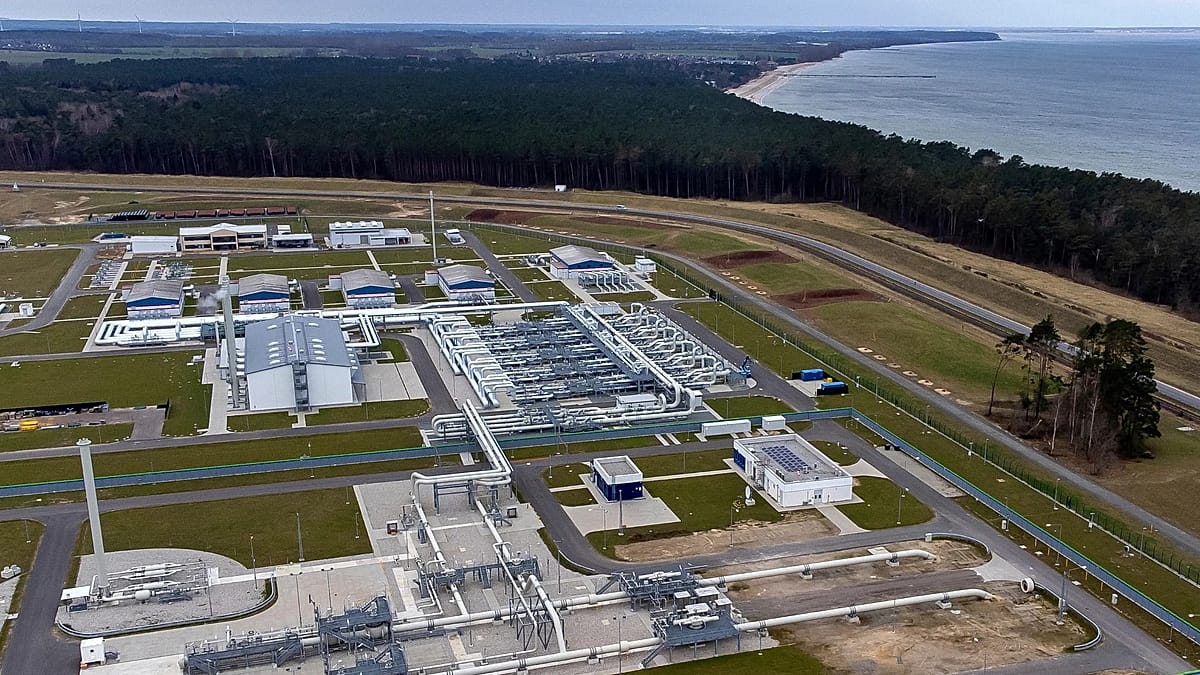
Russian oil imports have indeed plummeted following EU sanctions, and gas deliveries have fallen sharply. Yet the ECA report, presented on Wednesday, cautions against crediting REPowerEU for all of this. Mild winters and reduced consumption by households and businesses reacting to high energy prices also played a significant role, the auditors note. The sabotage of the Nord Stream pipelines in September 2022, which knocked out a major artery for Russian gas to Europe, further accelerated diversification efforts and exposed the fragility of the continent's fossil-fuel infrastructure.
A European Commission spokesperson pushed back, highlighting that Russian natural gas imports dropped from 152 billion cubic metres in 2021 to 36 billion cubic metres in 2025, reducing Moscow's share from 45% to 12%. Brussels has allowed some exceptions, but a full phase-out of Russian LNG is scheduled for 1 January 2027, with pipeline gas to follow in September of that year.
Grids and renewables lag behind
The ECA's most damning findings concern the bloc's physical infrastructure. While the EU added more than 200 gigawatts of solar and wind capacity between 2022 and 2024, the auditors describe the renewable capacity directly attributable to REPowerEU as "negligible" against the Commission's 103GW target. More critically, cross-border electricity interconnectors remain woefully insufficient, undermining the vision of a fully integrated European energy market.
This is not a new concern. The Commission and member states such as Portugal and Spain have repeatedly flagged the lack of grid connections as a major obstacle. Without progress, analysts warn that pouring money into clean generation could lead to curtailment—shutting down wind and solar plants during peak output—and drive negative electricity prices, a paradox that increasingly plagues the EU's energy transition.
The audit lands as a blow to Brussels, which had seized on the war in Ukraine to push the Green Deal and end reliance on cheap Russian fossil fuels. "Four years after its launch, REPowerEU has stalled, even though several hundred billion euros have been made available," said Mihails Kozlovs, the ECA auditor leading the report. "We must learn the right lessons now, as the new geopolitical tensions and their impact on energy markets underscore the need to accelerate diversification and prevent future over-reliance on a single supplier."
The funding gap
As is often the case in Brussels, money is the crux. The auditors found that EU countries have committed just €54.3 billion of the €300 billion in additional funding made available through the EU recovery fund—less than one-fifth of the investment initially deemed necessary. Stefano Sturaro, another ECA auditor, explained to reporters that member states are reluctant to take on loans because they add to national debt, whereas grants do not. The administrative burden also deters participation.
The Commission defended the funding, with a spokesperson insisting it played a "pivotal role" in advancing REPowerEU priorities. However, the auditors noted that national energy and climate plans, which were supposed to translate the strategy into concrete action, often contain few or no specific measures or targets.
The result is a widening gap between rhetoric and reality. Brussels has excelled at promoting energy independence, but it has struggled to finance and build the infrastructure needed to sustain it. The next political test comes as the European Parliament and the Council negotiate the future of the bloc's power grids, with talks expected to conclude by the end of the year.
For now, the EU's energy future hinges on whether member states are willing to put their money where their climate ambitions are. Without a serious push on interconnectors and domestic clean generation, the bloc risks swapping one form of dependency for another—this time on imported technologies and volatile global markets. The stakes are high, and the clock is ticking.