The European Union is edging closer to appointing a special envoy for direct negotiations with Russia, a move that could prove to be a diplomatic minefield. The initiative gained momentum after Ukrainian President Volodymyr Zelenskyy, frustrated by Washington's focus on the Middle East, publicly urged Europeans to designate a representative for peace talks.
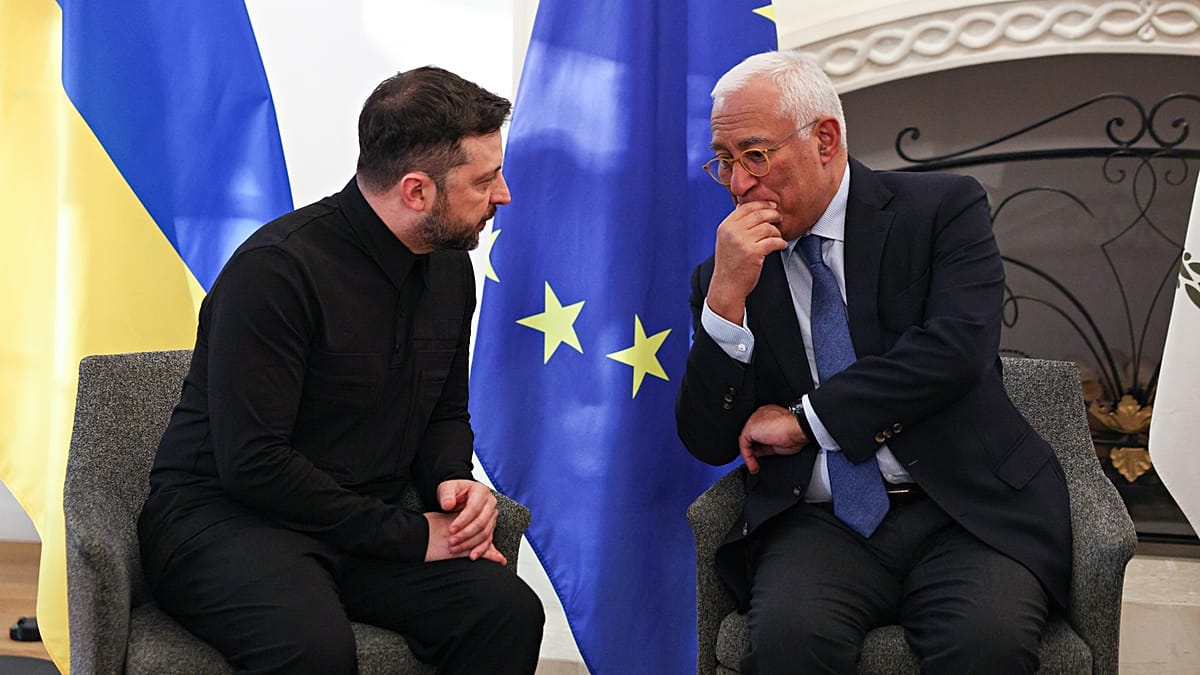
“It is important for it to have a strong voice and presence in this process, and it is worth determining who will represent Europe specifically,” Zelenskyy said on Sunday after speaking with António Costa, the president of the European Council.
But whoever takes on the role may quickly regret it. The task involves breaking the diplomatic isolation imposed on Moscow in February 2022, a step that carries significant risks for Europeans. On one hand, they want a seat at the table to shape the continent's future security architecture. On the other, they fear falling into the Kremlin's trap and emerging humiliated.
Kremlin Maximalism and Internal Divisions
Russian President Vladimir Putin remains fixated on securing the surrender of the entire Donbas and international recognition of illegally occupied territories—both non-starters for Kyiv. The near-daily barrage of drones and missiles against Ukrainian cities, as seen in recent nighttime strikes targeting eight regions, deepens European skepticism about Moscow's willingness to negotiate in good faith.
Some member states, including Germany, the Netherlands, the Nordics, and the Baltics, prefer to wait and tighten sanctions on the Russian economy, which is showing signs of strain. Their logic: economic pressure will eventually weaken Russia's negotiating position and create an opening for compromise. Otherwise, the envoy risks returning empty-handed.
“Do you see any willingness on the Russian side to engage in serious negotiations? I don't, my government doesn't,” a senior diplomat said. “If the Russians are ready to seriously engage – and that's a big if – then obviously the EU will play its part.”
The failed Minsk agreements, brokered by Germany and France to end the Donbas war, are seen as a blueprint to avoid. Europeans are also wary of repeating the US-brokered talks, which have yielded little beyond prisoner swaps and have often seen the US delegation echo Russian talking points.
Washington's Snub and the Need for a Unified Front
Since President Donald Trump launched unilateral negotiations with Putin, Europeans have been largely excluded. Last year, they learned through press reports of a 28-point US-Russian plan that included issues under European jurisdiction, such as sanctions and assets. There is no guarantee the US will acknowledge an EU envoy's legitimacy.
Zelenskyy has acknowledged the challenge, urging leaders to find a “workable diplomatic format” that accounts for American views. His foreign minister, Andrii Sybiha, later said the EU should play a “complementary” role, not pursue “alternative peace talks.”
The US holds a unique position: the world's largest economy, a mighty army, and a UN Security Council seat. Under Trump, Washington has cut aid to Ukraine and eased sanctions on Russian oil, reinforcing perceptions of equidistance. The EU, by contrast, has doubled down, approving a €90 billion loan for Ukraine and its 20th sanctions package.
Moscow has seized on these facts to dismiss EU overtures. A snub from both Russia and the US cannot be ruled out. High Representative Kaja Kallas, who previously warned against seeking direct talks that could “humiliate” the bloc, has been working with foreign ministers to bridge disparate views and draft a list of conditions for Russia. Though described as overly ambitious, the list could form the basis for a framework endorsed by EU leaders at their 18-19 June summit.
“Before we talk to the Russians, we should agree and talk amongst ourselves what we want to talk to the Russians about,” Kallas said.
The envoy's job, if it materializes, will be to navigate these treacherous waters—balancing internal unity, US relations, and Kremlin intransigence—while avoiding the pitfalls that have doomed previous efforts.