Europe stands at a crossroads. With war on its eastern border, instability in the Middle East, and a shifting transatlantic relationship, the continent is grappling with how to respond to a rapidly changing security environment. The question of whether to dramatically increase military spending has become a central point of contention among European policymakers.
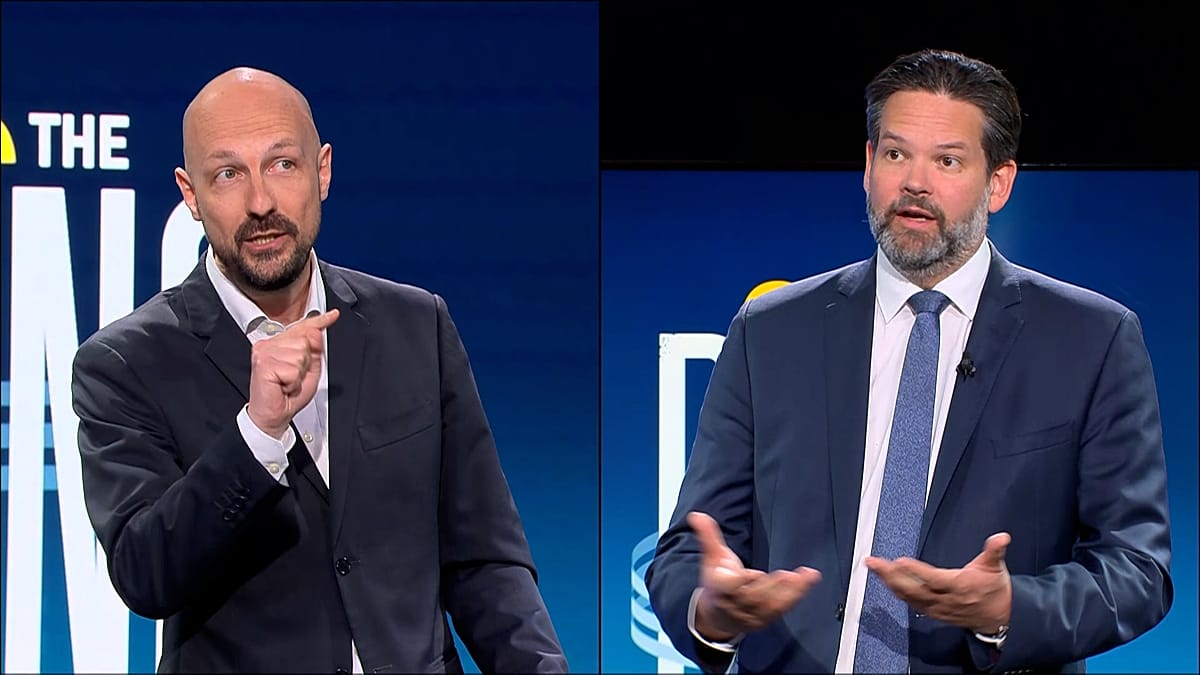
Two Members of the European Parliament, Lukas Mandl of the European People's Party from Austria and Marc Botenga of The Left group from Belgium, recently engaged in a heated debate on the topic. Their exchange laid bare the fundamental disagreements over the purpose and scale of Europe's defense ambitions.
Two Visions for Europe's Defense
Mandl argued that the current geopolitical climate demands a robust military response. He pointed to Russia's war against Ukraine as a clear and present danger, and emphasized the need for Europe to invest in cutting-edge technologies, such as drones, to deter aggression. For Mandl, higher spending is a strategic imperative, not a choice.
Botenga countered with an unconditional no to the idea of pouring billions into new weapons. He accused EU governments of prioritizing military budgets over essential public services like schools and hospitals. He mocked Germany's decision to create a massive special defense fund, arguing that it reflects a misguided shift in priorities. Botenga sees the push for rearmament as a reaction to external pressure, particularly from the United States, rather than a genuine European strategy.
The debate also touched on the role of NATO and the transatlantic alliance. Mandl defended the partnership with the United States, while Botenga criticized what he sees as a subservient relationship. The return of Donald Trump to the White House, with his transactional view of alliances, has only intensified the urgency of this discussion. Many European leaders now argue that the continent must pursue greater strategic autonomy, a concept that remains deeply contested.
This balancing act is not new. Europe has long relied on the United States for its security through NATO, but the war in Ukraine has exposed vulnerabilities. The EU's military chief has stated that Ukraine remains Europe's top security priority, and the alliance is grappling with how to sustain support while also preparing for other potential threats. Meanwhile, the US has signaled it may reduce military capabilities available to NATO allies in wartime, further complicating the picture.
Beyond the immediate debate, the question of how Europe can achieve strategic autonomy remains unresolved. Some advocate for joint EU debt to fund defense, a proposal that has faced resistance from leaders like Friedrich Merz in Germany. Others point to the need for greater investment in military AI, with countries like Germany, France, and the UK leading integration efforts. The path forward is far from clear.
As Europe tries to redefine its alliances and strategic position, the clash between Mandl and Botenga reflects a broader struggle. Can the continent navigate this turbulent period and emerge as a truly independent global power? Or will it remain caught between the demands of its citizens and the pressures of a changing world order? The answer will shape Europe's future for decades to come.