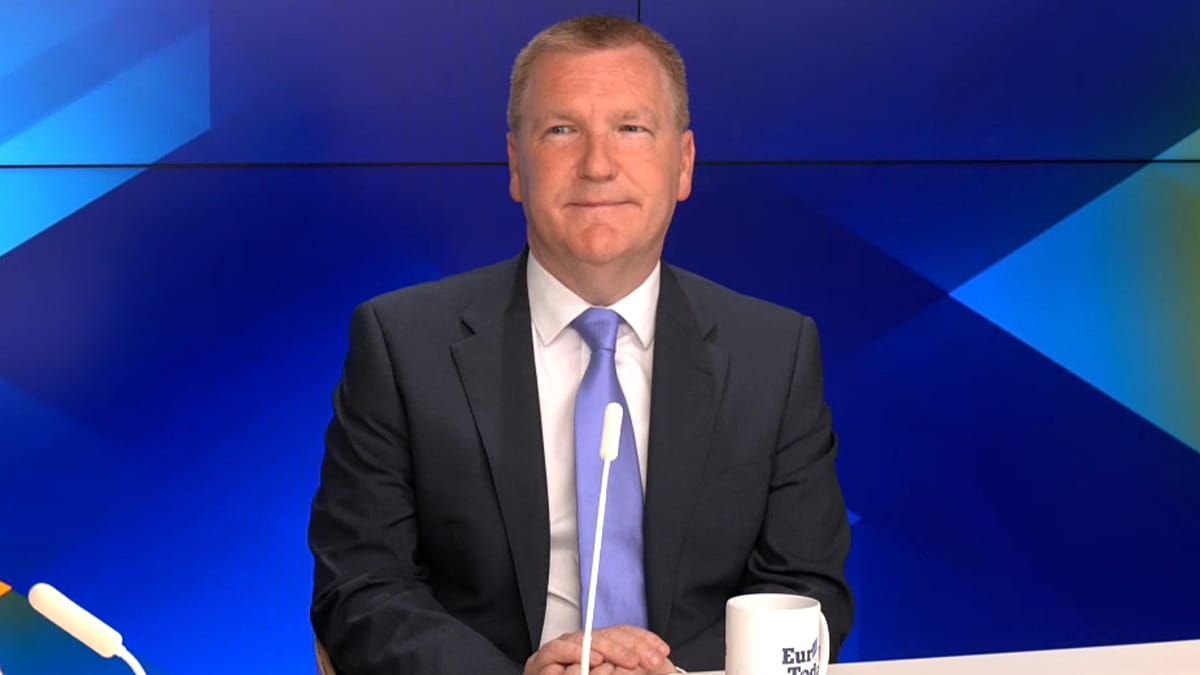
European Commissioner for Justice Michael McGrath has issued a firm warning against corruption across the European Union, stating that the bloc maintains a “zero tolerance policy” toward graft. In an exclusive interview with Euronews, McGrath declined to comment on specific cases but emphasized that national authorities must be allowed to pursue evidence without political interference.
“What is most important is that the national authorities, in any given case, are allowed to do their work without any interference, that they follow the evidence and they take the case to its appropriate end point,” McGrath said.
The remarks come as Spain grapples with a widening corruption scandal involving the ruling Socialist Party. On Wednesday, police raided the party’s Madrid headquarters, and three former party members are under formal investigation for allegedly attempting to influence police and judicial proceedings. Spanish Prime Minister Pedro Sánchez, who has led the government since 2018, has not been directly implicated in any probe. The affair has already sparked mass protests in Madrid demanding his resignation.
Corruption as a Systemic Threat
McGrath described corruption as “insidious,” warning that it “takes from valuable public resources” and “undermines public trust in institutions and in democracy itself.” His comments reflect broader EU concerns about the erosion of rule-of-law standards in several member states. The Commission has increasingly used its powers to link access to EU funds with compliance with democratic norms.
In Hungary, the newly elected Prime Minister Péter Magyar is in Brussels this Friday to meet with European Commission President Ursula von der Leyen. The agenda includes unlocking €10 billion in frozen funds, which were suspended under Viktor Orbán’s leadership due to rule-of-law deficiencies. Magyar, leader of the Tisza party, made releasing this money a central plank of his campaign, but faces a tight August deadline. If no agreement is reached, the funding will be lost.
“We have made a good start in resetting the relations with the Hungarian government,” McGrath said. “We are there as a Commission to work with them and support them on the path to restoring rule of law and commitment to respecting fundamental rights of all citizens in Hungary.”
The EU’s stance on corruption also resonates beyond its borders. Ukraine’s anti-corruption efforts have been a key benchmark for its EU accession talks, with Kyiv arguing that its probes meet European standards. Meanwhile, the Commission continues to monitor developments in other member states, including Italy, where Prime Minister Giorgia Meloni has sought to recalibrate foreign policy while facing domestic scrutiny over governance issues.
McGrath’s message is clear: the EU will not tolerate graft, and national governments must uphold the rule of law or risk losing access to billions in European funding. As the bloc prepares for a new legislative cycle, the fight against corruption remains a defining test of its institutional credibility.