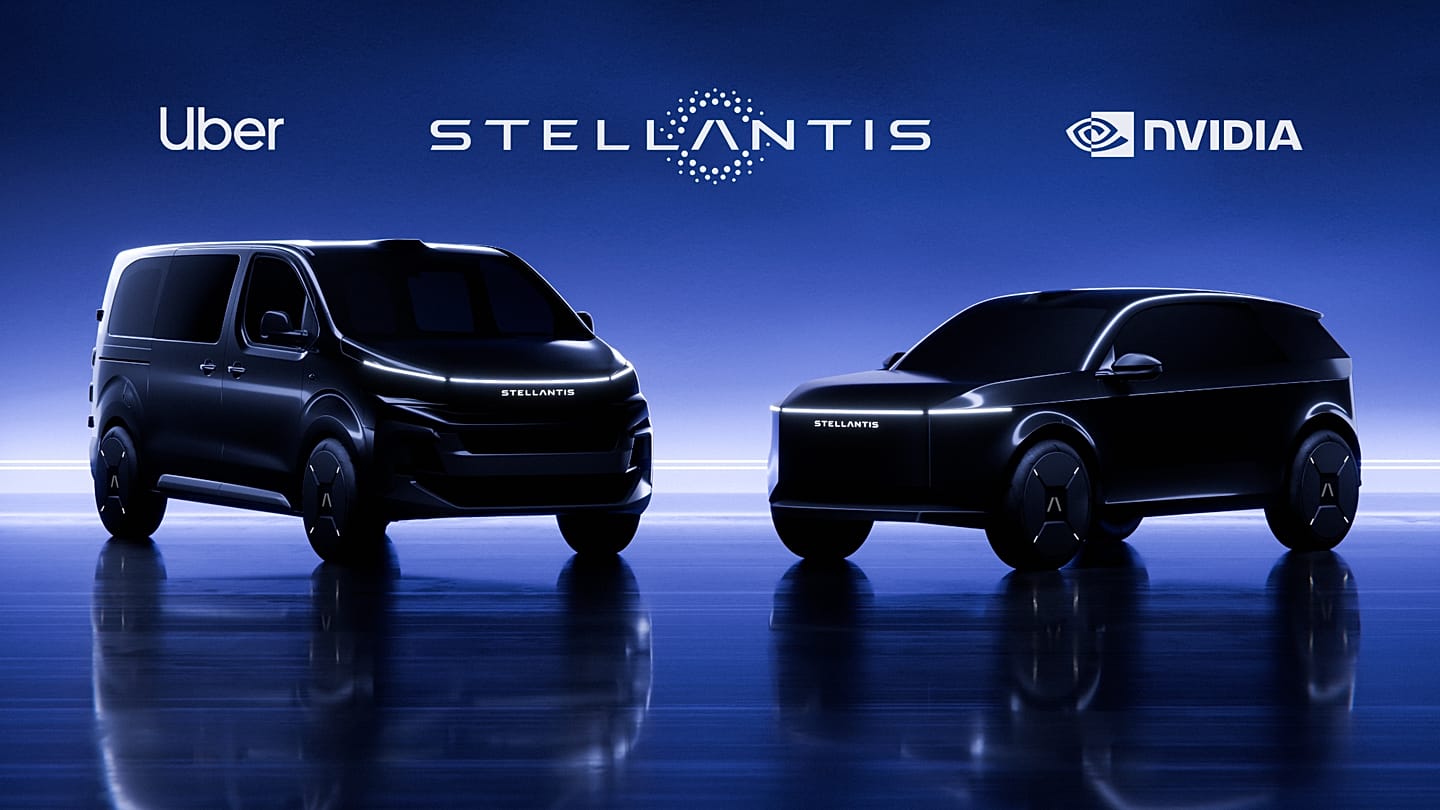
Seventeen European Union member states, including France, Germany, and Italy, have signed a joint declaration to coordinate the testing of autonomous vehicles across national borders. The agreement, announced this week, aims to break down regulatory barriers that have slowed the deployment of robotaxis and other self-driving technologies in Europe.
The signatories—which also include Austria, Belgium, the Czech Republic, Denmark, Finland, Greece, Hungary, the Netherlands, Poland, Portugal, Romania, Spain, and Sweden—commit to sharing data, aligning technical standards, and recognising each other's testing permits. The goal is to create a seamless regulatory environment so that a vehicle tested in one country can operate in another without redundant approvals.
Why Europe Needs a Unified Approach
Currently, autonomous vehicle developers must navigate a patchwork of national rules, which adds cost and delays. For example, a company testing in Berlin cannot easily extend trials to Paris or Milan without applying for new permits and adapting to different safety requirements. This fragmentation has put Europe behind the United States and China, where larger testing zones and more permissive regulations have allowed companies like Waymo and Baidu to launch commercial robotaxi services.
“Europe cannot afford to lose the race in autonomous mobility,” said a European Commission official involved in the talks. “This declaration is a first step toward a common framework that will allow innovation to flourish while maintaining high safety standards.”
The initiative aligns with the EU’s broader digital strategy, which includes investments in artificial intelligence and connected infrastructure. The European Commission has also proposed legislation to harmonise liability rules for autonomous vehicles, though that process is still ongoing.
What the Declaration Covers
The declaration focuses on three main areas: cross-border testing, data sharing, and public acceptance. Signatories agree to:
- Recognise testing permits issued by other member states, reducing administrative burdens.
- Share data on accident reports, system failures, and performance metrics to improve safety.
- Launch joint public awareness campaigns to build trust in autonomous technology.
Germany, which already has a legal framework for autonomous driving on the Autobahn, will play a leading role in setting technical standards. France, meanwhile, has been testing robotaxis in Paris and Lyon and will contribute data on urban driving conditions. Italy’s involvement is significant given its complex city layouts and historic centres, which present unique challenges for self-driving systems.
The declaration is non-binding, but signatories have committed to report progress within 12 months. The European Commission will facilitate follow-up meetings and may propose binding legislation if voluntary coordination proves insufficient.
Industry Reaction
Automakers and tech companies have welcomed the move. Volkswagen, which is developing autonomous shuttles through its subsidiary Moia, called it “a crucial step toward commercial viability.” Stellantis, the Franco-Italian conglomerate, noted that harmonised rules would reduce development costs and speed up deployment across its brands.
However, some experts caution that the declaration is only a beginning. “The real challenge is not just testing but scaling up to full commercial operations,” said Dr. Elena Rossi, a mobility researcher at the Politecnico di Milano. “You need consistent rules for insurance, liability, and data privacy across all 27 member states. That will require binding EU legislation.”
Consumer groups have also raised concerns about safety and job losses. Taxi and ride-hailing drivers in cities like Barcelona and Warsaw have protested the potential arrival of robotaxis, fearing displacement. The declaration acknowledges these concerns and calls for “social dialogue” with affected workers.
The push for robotaxis comes as Europe seeks to reduce its dependence on fossil fuels and improve urban mobility. Autonomous electric vehicles could lower emissions and reduce traffic congestion, but only if they are deployed widely and affordably. The declaration is a signal that EU governments are serious about making that happen—but the road ahead remains long.



