Egypt is intensifying its demands for greater European financial support to manage what it describes as millions of refugees and migrants on its soil, even as the European Union deepens its reliance on Cairo as a bulwark against irregular crossings over the Mediterranean. The standoff highlights a growing asymmetry: Europe needs Egypt to stem migration flows, while Egypt needs European funds to sustain a crisis it says costs over €8.5 billion annually.
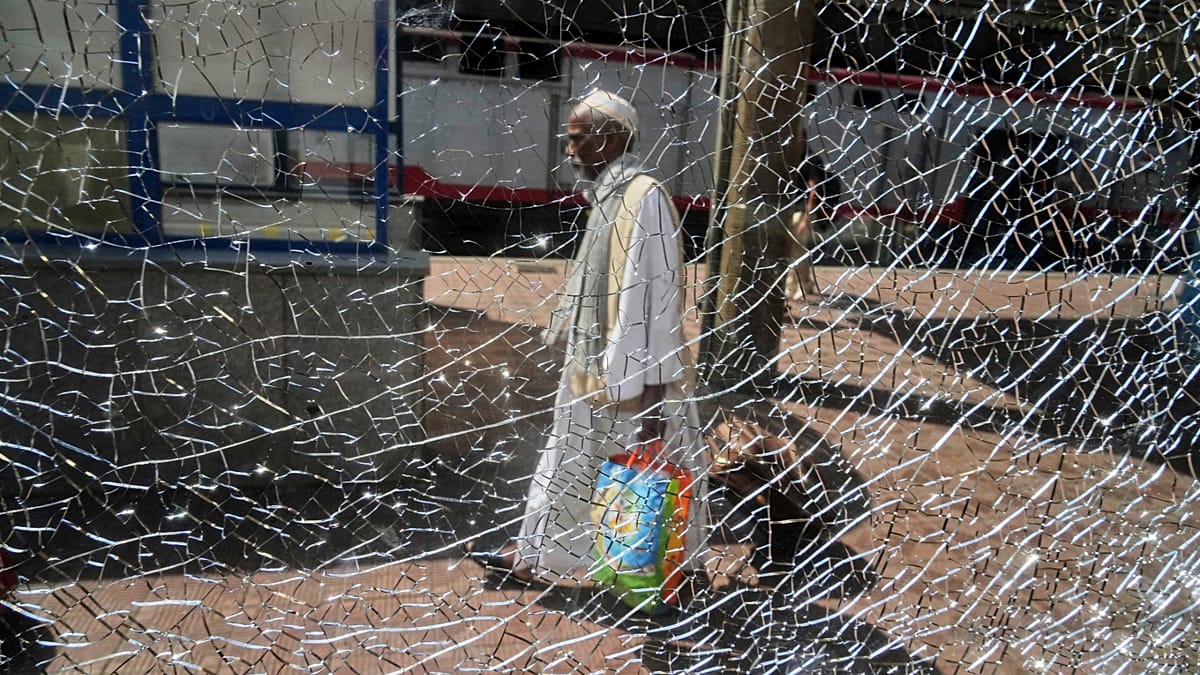
“Egypt’s leverage has clearly increased with the EU because EU governments are under domestic pressure to reduce irregular migration,” said Andrew Geddes, professor of migration studies and director of the Migration Policy Centre at the Robert Schuman Centre. The dynamic has become more urgent as humanitarian agencies warn of widening funding gaps in Egypt, where the war in Sudan has added to a long-standing refugee population that includes Syrians, Palestinians, South Sudanese, Eritreans, Ethiopians, Yemenis, Somalis, and Iraqis.
A Strategic Partnership Under Scrutiny
In 2024, the EU and Egypt elevated their relationship to a Strategic and Comprehensive Partnership, covering political relations, economic stability, trade, investment, migration, security, and skills. Brussels announced a €7.4 billion financial package for 2024-2027, including €5 billion in concessional loans, €1.8 billion in additional investments, and €600 million in grants, with €200 million earmarked for migration management. The European Commission framed the package as part of a broader strategic partnership.
But the deal has drawn sharp criticism from some MEPs and rights groups, who argue that the EU is expanding migration cooperation without sufficient guarantees on human rights, asylum protections, or accountability for alleged abuses. Greens/EFA MEP Tineke Strik, a Dutch migration scholar, warned that cooperation with President Abdel Fattah al-Sisi would result in “more violence against migrants, more repression, and more dissidents fleeing the country.” French MEP Mounir Satouri, the Parliament’s rapporteur for Egypt, criticized the broader regional approach, which also included a deal with Tunisia, stating, “These are not the private funds of (then-Commissioner Olivér) Várhelyi. These are European funds.” Several MEPs submitted formal parliamentary questions demanding justification for the disbursement.
The Commission defended the deal as a vehicle for shared responsibility and advancing human rights. “Together, we will also work on our commitment to promote democracy and human rights,” Ursula von der Leyen said at the signing ceremony in Cairo, in an indirect response to critics who argued Brussels was rewarding an authoritarian government.
Cairo’s Growing Demands
Speaking in April 2024 at a ministerial meeting of African countries implementing the Global Compact for Migration, Egyptian Foreign Minister Badr Abdelatty said his country hosts “more than 10 million migrants and guests on its territory, who live within the fabric of Egyptian society and not in isolated camps, and enjoy basic services without discrimination.” In a February 2025 call with EU Commissioner for Internal Affairs and Migration Magnus Brunner, Abdelatty pointed to “the modest size of international support received by Egypt and its lack of proportionality with the increasing burdens it bears.” He stressed “the importance of dealing with migration within a comprehensive framework based on linking it to development and addressing its root causes,” while highlighting “the success of the Egyptian experience in combating irregular migration, especially stopping all boats heading to Europe from Egypt since September 2016.”
Abdelatty also called for “regular migration pathways” with international partners, including training and legal migration opportunities for young people that meet labour-market needs in destination countries. He emphasized the need to embed “burden-sharing, responsibility-sharing and international solidarity,” arguing that support should not be limited to short-term programmes but should include long-term structural funding to help host countries maintain services and social cohesion. Prime Minister Mostafa Madbouly has similarly stated that Egypt hosts over 10 million migrants, refugees, and asylum seekers, with the cost of providing services estimated at more than $10 billion (€8.5 billion).
The number of people Egypt claims to host is significantly higher than the UNHCR’s count of registered refugees and asylum seekers, which stands at around 500,000. This discrepancy underscores the challenge of quantifying the crisis and the political stakes involved. As Europe grapples with its own migration pressures, the partnership with Egypt remains a contentious but critical tool—one that tests the EU’s commitment to both border control and human rights.