Brussels — The European Union is still grappling with a fundamental question: should it talk directly with Russia to help end the war in Ukraine? The answer, for now, remains elusive, as member states remain deeply divided over the timing, format, and objectives of any potential dialogue.
At a meeting of foreign affairs ministers in Brussels on Monday, the lack of consensus was palpable. Several representatives argued that the EU should focus on tightening sanctions rather than opening a channel to the Kremlin. Sweden's Maria Malmer Stenergard said that Vladimir Putin is not genuinely interested in peace talks, and that more pressure is needed to change his calculus. Lithuania's Kęstutis Budrys questioned the strategic foundation: “What will we discuss? What will be our demands? Can we agree on our demands on Russia? What is our strategy and agenda, and what's the goal? What's the end state?”
Italy's Antonio Tajani took a different view, noting that the EU is not at war with Russia and that it is important to be part of ongoing negotiations. Austria's Beate Meinl-Reisinger echoed the sentiment, saying it is time for Europeans to become active participants through their own team. Finland's Elina Valtonen summed up the frustration: “We need to make up our mind.”
No Unity on Envoy or Agenda
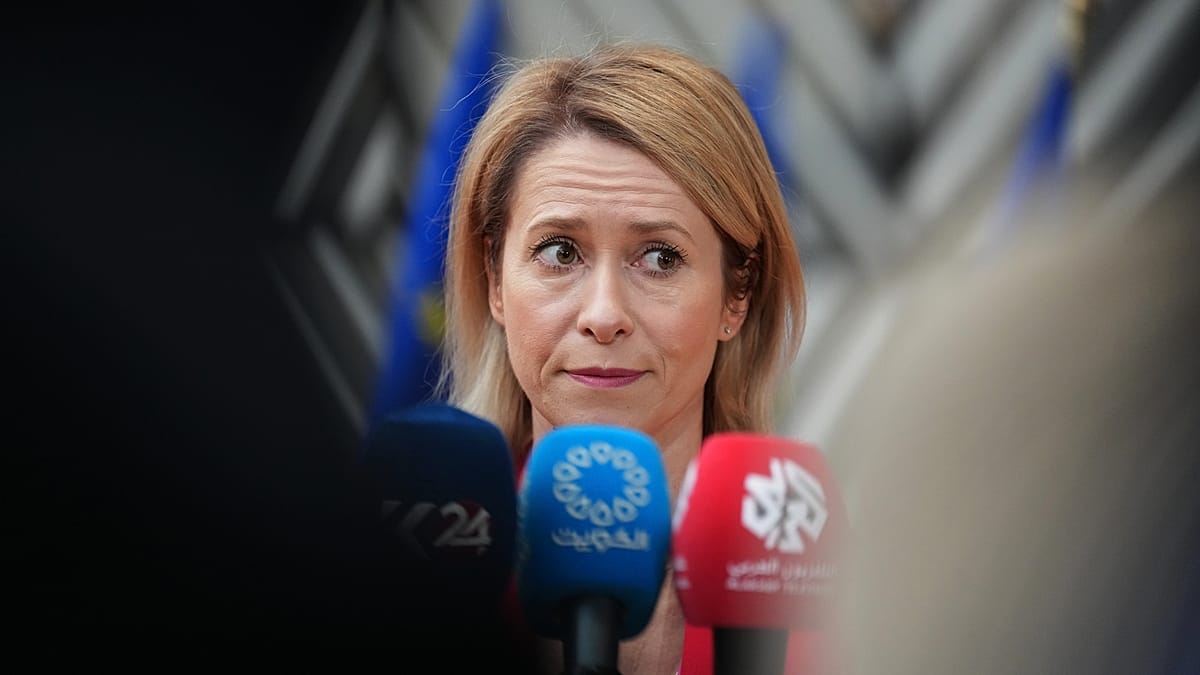
The only point of agreement was that the EU should choose its own envoy for any talks. The Kremlin's suggestion to nominate former German chancellor Gerhard Schröder, who has worked for Russian energy firms, was swiftly rejected. High Representative Kaja Kallas acknowledged that the topic is not yet mature and requires further reflection among governments. “For Europe to take a more active role, we must agree amongst ourselves what we want to talk to Russia about and what our red lines are,” she said.
Kallas has been trying to bridge the gaps with a draft document outlining the concessions Moscow should make. The confidential paper will be discussed later this month when foreign ministers meet informally in Cyprus. However, given the considerable divergences, a unified position is unlikely to emerge soon. “We are not there entering the negotiations in any way,” Kallas cautioned. “Right now, we don't see that Russia is really negotiating in good faith.”
The debate over direct talks has resurfaced repeatedly since US President Donald Trump unilaterally launched a diplomatic process to end the war. Earlier this year, French President Emmanuel Macron and Italian Prime Minister Giorgia Meloni publicly called on the bloc to change policy, arguing that European security cannot be left in American hands. The issue lost momentum after Macron's advisor, Emmanuel Bonne, travelled to the Kremlin for exploratory talks and was given a cold shoulder. But it has gained new urgency as the conflict in the Middle East shifts Washington's focus and slows down mediation in Ukraine.
Ukrainian President Volodymyr Zelenskyy, increasingly frustrated with the White House's course of action, has asked Europeans to take a more active role. “We need to find a workable diplomatic format, and Europe must be at the table in any talks with Russia,” he said at a summit in Armenia. European Council President António Costa has also signalled potential for the bloc to negotiate one-on-one with the Kremlin, but only when Moscow shows willingness to compromise. Putin continues to demand that Kyiv give up the entire Donbas region and that the West recognise the occupied territories as legally Russian — both conditions that Zelenskyy firmly rejects.
Brussels is keen to avoid creating the impression that it is trying to replace Washington, which might give Trump a reason to walk away. Ukrainian Foreign Minister Andrii Sybiha has advised the EU not to pursue “alternative peace talks” but rather play a “complementary” role. Meanwhile, Russia's relentless bombardment of civilian infrastructure, including a kindergarten last week, makes officials and diplomats think twice about engaging. Some capitals prefer to wait and weaken Russia's hand at the negotiating table, as the country shows signs of economic strain after 20 rounds of sanctions and was forced to scale down its Victory Day parade over fears of Ukrainian strikes.
At the same time, Kyiv's position has been reinforced by the approval of the EU's latest sanctions package and the signing of multiple defence deals with Gulf countries. The question remains: can the EU find a common voice before it is too late? As Kallas put it, the bloc must first agree on what it wants to discuss and where its red lines lie. Until then, direct talks with Russia remain a distant prospect.