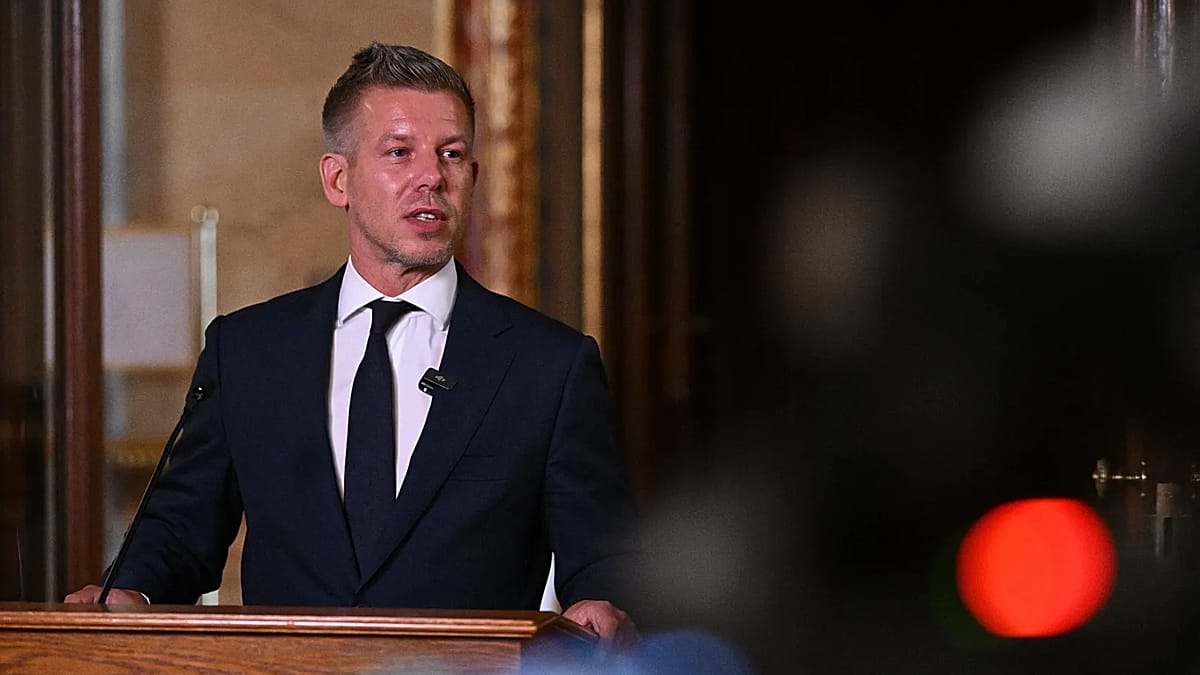
In a striking turnaround, the European Commission has praised Hungary for what it describes as a “radical change” in upholding the rule of law, just two months after Prime Minister Péter Magyar took office. The latest annual Rule of Law Report, presented on Friday, highlights “intense reform efforts” by the new government in Budapest, with several legislative changes already underway.
“You have a very radical change compared with last year’s report. Things have moved very, very quickly in the right direction,” a senior EU official told Euronews. The report notes that progress has been “impressive” given the short time since the change of government.
Key Reforms and Remaining Gaps
A central development is Hungary’s decision to join the European Public Prosecutor’s Office (EPPO), which investigates and prosecutes financial crimes affecting the EU budget across member states. This move is seen as a critical step in the fight against corruption, a long-standing concern in Brussels. The report also highlights progress in anti-corruption measures, asset declarations, and the work of the Integrity Authority.
Magyar has also dismantled the “Sovereignty Protection Office,” a body established under his predecessor, Viktor Orbán, that could access citizens’ personal data to investigate and sanction alleged foreign agents. The office had been the subject of an EU infringement procedure. Magyar has also sought refunds of EU migration fines and recovery funds, signaling a broader shift in Budapest’s relationship with Brussels.
“We see some very positive trends [...] in the early weeks of the new government’s mandate, a lot has already been done,” EU Justice Commissioner Michael McGrath said during a press conference presenting the report.
Despite the reform push, the Commission stressed that significant shortcomings remain in Hungary’s justice system. “Things cannot completely change overnight,” a senior EU official told Euronews, noting that many recommendations from previous years’ reports have yet to be addressed. One example is the procedure for appointing the Prosecutor General, which the Commission says could allow undue political interference in individual cases.
The report also classifies civic space as “obstructed,” citing the complexity of registration procedures for smaller organisations with limited resources. Other concerns include the functioning of the judiciary, corruption risks, and unresolved violations of EU law.
The Rule of Law Report could become increasingly important in the coming years, as the European Commission seeks to strengthen the link between compliance with rule-of-law standards and the allocation of EU funds under the 2028-34 EU budget. For now, the assessment offers a cautiously optimistic view of Hungary’s trajectory under Magyar, though the path to full compliance remains long.