As European Commission President Ursula von der Leyen and European Council President António Costa head to Mexico City on Friday to finalize a renewed EU-Mexico trade agreement, NATO foreign ministers are gathering for a second day in Helsingborg, Sweden, to grapple with Washington's increasingly ambiguous military posture on the continent. The dual-track diplomacy underscores a broader European effort to diversify economic and security partnerships in a rapidly shifting global landscape.
Trade deal as geopolitical signal
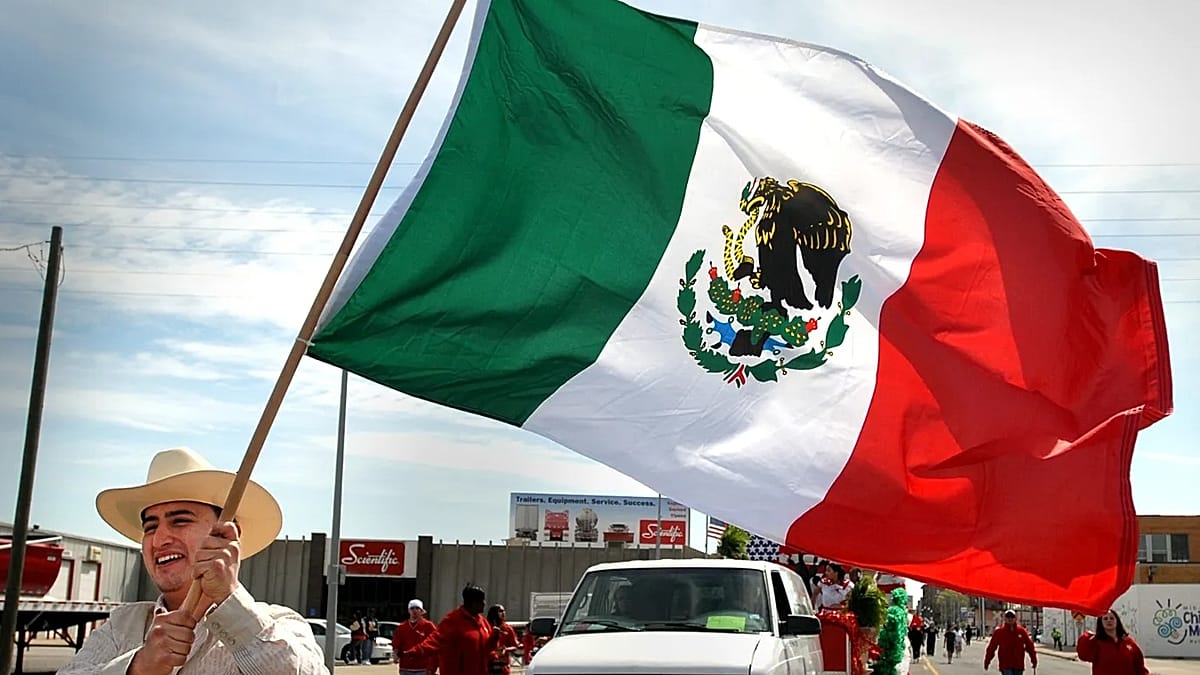
The EU-Mexico deal, negotiated over several years, aims to slash import duties on a wide range of goods, lower costs for consumers and businesses, and modernize trade rules. But beyond the economic benefits, the summit carries a clear geopolitical message. A senior EU official told reporters that Mexico is seen as a like-minded partner committed to the rules-based international order, which is increasingly challenged by both China and the United States. “Both sides are looking to diversify and de-risk,” the official said.
Javi López, Vice-President of the European Parliament and a negotiator on the deal, emphasized that the agreement will ensure “predictable trade” in an era where commercial relationships are being weaponized. Speaking to Euronews, López noted that “after the rise of Trump to the White House, we have been forced to think more strategically and act more maturely in the world.” The deal is expected to be formally signed later this year, pending ratification by EU member states and the European Parliament. For more details on the agreement's provisions, see our earlier analysis on EU and Mexico Finalize Trade Deal Update to Remove Barriers.
Economic headwinds and energy strains
European Commissioner for the Economy Valdis Dombrovskis, in an interview with Euronews, painted a cautious picture of the bloc's economic outlook. “We do not see a recession but rather further slowdown of the economy,” he said, citing energy price shocks triggered by the war in Iran and persistent inflation. The EU expects inflation to reach 3.1% this year, weighing on households and industries.
Dombrovskis firmly ruled out any return to Russian energy imports, recalling the 2022 crisis when Moscow weaponized its fossil fuel supplies. “We already saw back in 2022 that Russia tried to use its fossil fuel supplies as a tool for blackmail and manipulation, and we paid a quite dear economic price for having this dependency,” he said. “There's no point of going back to this.”
Italian Prime Minister Giorgia Meloni has pressed the European Commission to treat the energy crisis with the same urgency as the defence ramp-up, calling for looser fiscal rules to ease costs for households and businesses. Dombrovskis responded that existing flexibility in EU fiscal frameworks allows for “temporary and targeted” support, and that the Commission is assessing automatic stabilizers that could provide fiscal buffers.
NATO uncertainty and US troop movements
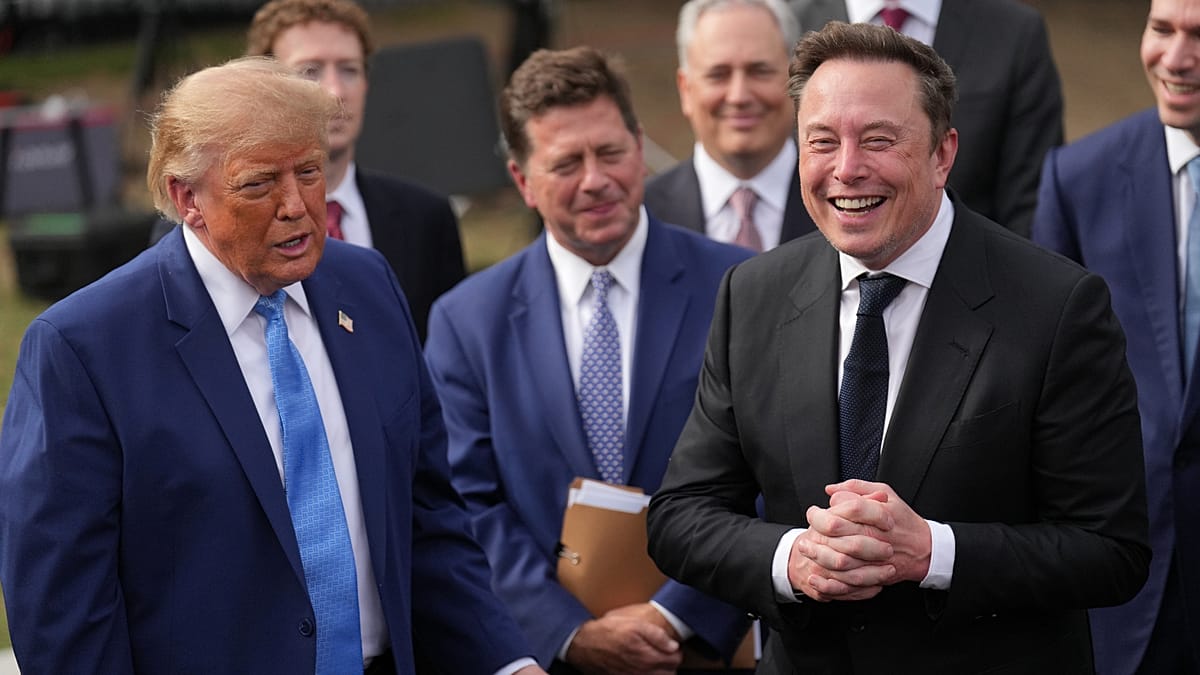
In Helsingborg, NATO foreign ministers are awaiting detailed briefings from the US on which military capabilities Washington plans to scale back in Europe. This follows signals from the Trump administration that it would reduce the support it provides to allies in the event of an invasion or war. However, the same administration announced overnight that it would deploy an additional 5,000 American troops to Poland, creating confusion among European defence officials. The apparent contradiction has left many questioning the coherence of US strategy.
Meanwhile, Ukrainian President Volodymyr Zelenskyy is scheduled to speak with UK Prime Minister Keir Starmer, French President Emmanuel Macron, and German Chancellor Friedrich Merz about coordinating pressure on Moscow to strengthen Kyiv's position in negotiations over Russia's full-scale invasion.
Merz's 'associate membership' plan for Ukraine divides Brussels
German Chancellor Friedrich Merz has proposed a novel “associate membership” status for Ukraine within the EU, offering access to decision-making bodies without voting rights and eligibility for certain EU-funded programmes on a step-by-step basis. In a letter to fellow leaders, Merz also suggested that Ukraine could invoke Article 42.7 of the EU treaties—the mutual defence clause—in the event of renewed Russian aggression.
The European Commission welcomed the proposal as a sign of “strong commitment from member states to make enlargement a reality as soon as possible.” But diplomats in Brussels expressed scepticism. “I don’t see how this could work from a legal point of view,” one said. Another called the letter “a rather hasty statement, and not very well coordinated. The timing is strange.” The mixed reactions highlight the challenges Merz faces in building consensus on Ukraine's integration path.
As Europe navigates these intersecting economic, trade, and security challenges, the week's events underscore a continent striving to assert its strategic autonomy while managing transatlantic ties and internal divisions.