The European Commission has formally requested that the United States exempt approximately €150 billion worth of European Union exports from the 15% tariffs imposed under the trade agreement signed in Turnberry, Scotland, in July 2025. The request, detailed in a list obtained by Euronews, covers hundreds of products ranging from iconic foodstuffs to industrial machinery.
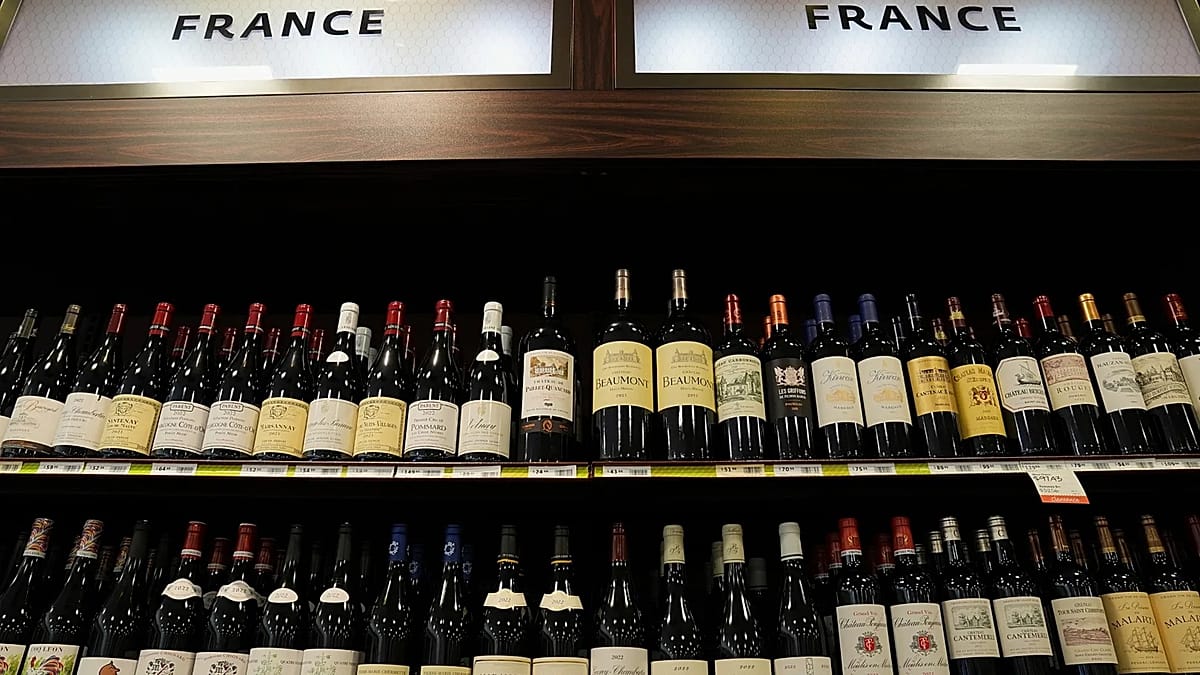
EU trade official Matthias Jørgensen informed members of the European Parliament on Tuesday that the list includes items such as Roquefort cheese, olive oil, wines, spirits, beer, pasta, medical devices, electrical equipment, and machinery. He argued that these products are either “economically meaningful” for the EU or have “limited domestic availability in the US.”
Background of the Turnberry Deal
The Turnberry agreement, struck between European Commission President Ursula von der Leyen and US President Donald Trump, ended weeks of transatlantic trade disputes. Under its terms, the EU accepted a 15% tariff on its exports to the US while simultaneously removing its own duties on American industrial goods. A joint statement issued in August 2025 promised negotiations on exemptions, but Washington initially refused to open talks until Brussels had fully implemented its tariff reductions.
With the EU having eliminated its duties on US industrial goods on 1 July 2025, the Commission now hopes to secure carve-outs that would reduce the 15% rate to the pre-2025 average of around 3.3%. The joint statement noted that both sides would “consider” applying the earlier tariffs to products “important for their economies and value chains.”
EU member states have been actively lobbying the Commission—which negotiates trade on their behalf—to prioritise their key exports. France, Italy, and Spain have been particularly vocal in pushing for more favourable tariffs on wine, a sector of major economic importance to them.
Steel and Aluminium Remain Contentious
Beyond the general tariff exemptions, the EU is also seeking to address the 50% US tariffs still applied to European steel and aluminium. Jørgensen acknowledged that these talks would be “challenging,” noting that “the US has made very clear that for national security reasons, this is an area where it wants to maintain and protect US production.” The EU’s broader trade strategy continues to navigate a complex landscape, as seen in other areas such as EU shark fin exports dropping 15% as Brussels considers a total ban.
The outcome of these negotiations will have significant implications for European exporters, particularly in the agri-food and manufacturing sectors. The Commission’s push for exemptions reflects a broader effort to mitigate the economic impact of the Turnberry deal while maintaining a cooperative transatlantic relationship.