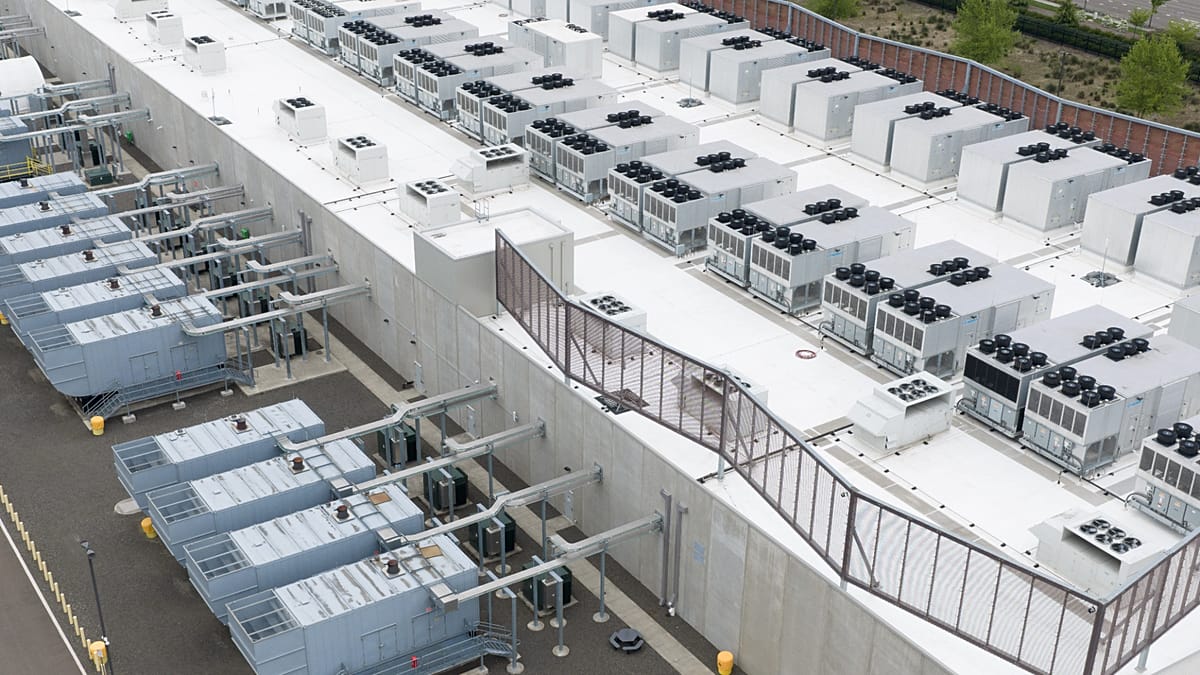
Every query to an AI chatbot triggers a cascade of computation in vast server warehouses, often located continents away. These data centres, essential for the AI revolution, are growing larger and more power-hungry, and Europe's electricity grid is struggling to keep up.
Europe currently hosts around 3,400 data centres, compared to roughly 5,400 in the United States, according to Cloudscene data. The continent is eager to close that gap, but a major new study by Interface, a European energy and digital policy think tank, warns that the energy cost may be prohibitive.
“Constructing multi-hundred-megawatt facilities that fail to use their contracted capacity effectively would be unsustainable not only economically but also from an energy- and climate-system perspective,” the report states.
Grid Bottlenecks and Delays
The most sought-after data centre markets—Frankfurt, London, Amsterdam, Paris, and Dublin, known collectively as FLAP-D—are experiencing severe grid congestion. New facilities in these cities wait an average of 7 to 10 years for a grid connection, with delays stretching to 13 years in the most congested primary markets.
Ireland has imposed a de facto moratorium on new data centres in Dublin until 2028, while the Netherlands and Frankfurt have effectively banned new connections until at least 2030. These bottlenecks are not just inconveniences; they are becoming binding constraints on investment.
The report notes that OpenAI has “putting their UK and Norway investments on hold due to high electricity prices,” a sign that even well-capitalised AI companies are being deterred by Europe's energy constraints.
Energy Hunger of AI Clusters
The power capacity of top AI clusters has surged from around 13 MW in 2019 to an estimated 280–300 MW for xAI's Colossus in 2025—comparable to the demand of roughly 250,000 European households. A typical European household uses around 3,600 kilowatt-hours of electricity per year, or roughly 10 kilowatt-hours per day. The data centre behind your AI assistant can consume the daily equivalent of tens of thousands of homes before breakfast.
“ChatGPT-4 training reportedly consumed around 46 GWh in total energy—equivalent to a sustained 20 MW draw over three months, and enough to power the entire Brussels Capital Region for over four days,” the report continues. The most advanced models being built now are estimated to consume far more. The International Energy Agency projects that global data centre electricity use will more than double by 2030, largely due to AI workloads.
Traditional server farms were built around modest, flexible power loads. AI clusters pack specialised chips running at near-maximum intensity for days or weeks at a stretch, behaving, as the report puts it, like “electro-intensive industrial plants connected to constrained grids.”
What Needs to Change
Europe's electricity grid is already contending with the demands of electrifying transport and heating, the uneven rollout of renewables, and the risks of “tight gas and power markets,” further strained by Russia's invasion of Ukraine and ongoing conflict in the Middle East. The report recommends that European facilities be integrated into national and EU grid planning from the outset, with siting decisions tied to renewable energy availability.
Piling on hundreds of megawatts of AI infrastructure risks making all of that harder and more expensive. As the EU relaxes state aid rules to shield businesses from energy crises, the stakes for grid reform have never been higher. Without urgent action, Europe's AI ambitions could end up as costly stranded assets, hoovering up power and public money while being ignored for better options elsewhere.