Good morning from Brussels. Here are the stories shaping Europe this Tuesday, September 8, 2026.
Border checks extended
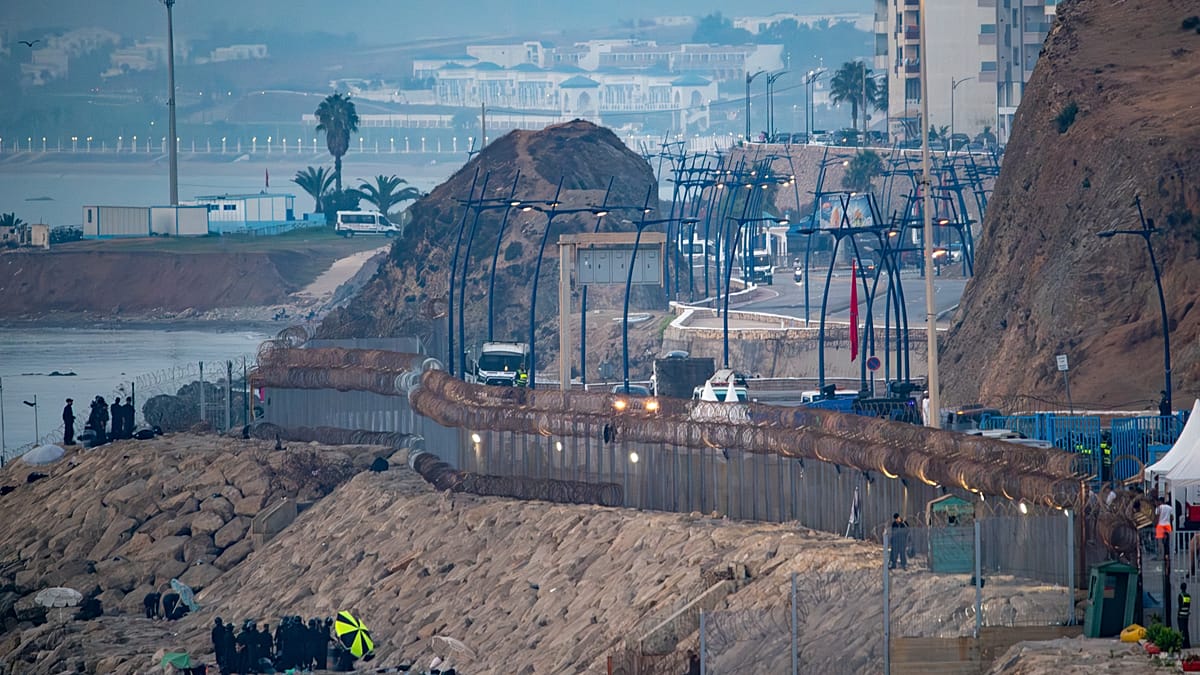
Spain has announced it will keep temporary border checks on arrivals from Italy until 22 September, citing security concerns. The move comes as the EU's new Entry/Exit System (EES) flexibility period ended on 6 September, prompting stricter enforcement at internal borders. Travellers between the two countries should expect delays and carry all necessary documents.
The decision reflects a broader trend across the Schengen area, where several member states have reintroduced controls in recent months. The end of the EES grace period has made such checks more systematic, and travellers are advised to plan accordingly.
Heatwave persists
Southern Europe continues to swelter under an extreme heatwave. Spain tied its September temperature record on Sunday, reaching 45.7°C in parts of Andalusia. The scorching conditions are expected to persist for several more days, with health authorities urging vulnerable populations to stay indoors during peak hours.
Climate scientists point to a warming trend that is making such events more frequent and intense. The record-breaking temperatures have also raised concerns about water supplies and wildfire risks across the Iberian Peninsula.
Disinformation concerns
A fake video circulating online falsely claims that a Ukrainian soldier killed NATO troops in Latvia. The clip, which appears to be a deepfake, has been debunked by fact-checkers. It is part of a broader pattern of disinformation targeting NATO's eastern flank, as seen in a similar fabricated Euronews report.
European security officials warn that such content is designed to sow discord among allies and undermine public trust in NATO. They urge citizens to verify information from official sources before sharing.
Political developments
In Berlin, Chancellor Olaf Scholz is set to meet with French President Emmanuel Macron at the Élysée Palace later this week to discuss energy policy and defence cooperation. The two leaders are expected to address the ongoing tensions over fiscal rules and the future of the EU's recovery fund.
Meanwhile, in the Balkans, EU enlargement talks with Albania and North Macedonia are back on the agenda, with a summit planned for October. Diplomats express cautious optimism, though unresolved bilateral issues remain.
Business and technology
European stock markets opened higher on Tuesday, with the DAX and CAC 40 both gaining. Investors are watching the European Central Bank's next move on interest rates, amid mixed signals on inflation.
In the tech sector, a new report highlights the rapid growth of artificial intelligence startups in Europe, with Berlin and Paris emerging as leading hubs. However, regulators are grappling with how to balance innovation with the EU's AI Act, which is set to come into full force next year.
For a comprehensive look at yesterday's events, check our previous briefing. Stay tuned for more updates throughout the day.