In a small apartment in Foggia, Italy, sociologist Pasquale keeps a shelf of old mobile phones illuminated by LED strips, like a shrine to a bygone digital era. His most treasured piece is an HTC Dream (T-Mobile G1) from 2008—the world's first Android smartphone, with a slide-out physical keyboard. “It’s a true relic of a tech world that has now disappeared,” he told European Pulse.
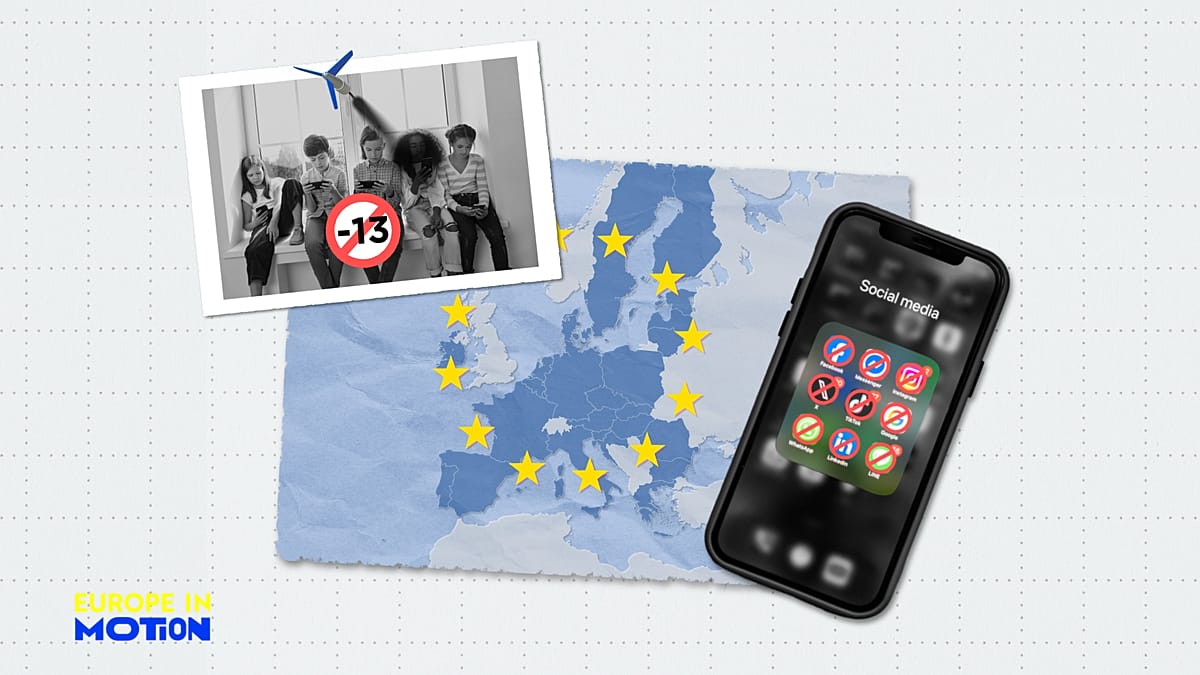
Pasquale is part of a growing cohort across Europe that is deliberately seeking out obsolete technologies. Between 2021 and 2024, sales of so-called dumb phones—basic devices without internet access—rose by 148% among 18-to-24-year-olds, according to a study in Partners Universal Innovative Research Publication. The trend is driven by a desire to reduce screen time and escape the dopamine loops of modern apps, but nostalgia and a craving for tangible, communal experiences are equally powerful motivators.
From iPods to Super 8: Reclaiming Ownership
Peter Fuller, a UK-based journalist and expert on actor Vincent Price, doesn’t call himself a collector but an enthusiast who uses old tech alongside new. He owns two Super 8 projectors, a Hanimex E400 editor, and his father’s 1970s Super 8 camera, which he used to make his first short films at university. He is also a vinyl devotee, but his daily music listening happens on iPods.
“I was really beside myself when they stopped making iPods around 2022,” he said. “That effectively ended standalone music players. Now you have to stream everything, which costs money. I’ve got my music, I want to listen to it. So I still rely on the iPod, and on vinyl.” Streaming, he argues, homogenises content and removes the immersive experience of discovering and owning art. “A record player, an iPod, a Walkman, a mini disc—we return to them because they’re tactile. You press a button and listen, without buffering, annoying ads, or subscription payments.”
This sentiment resonates across Europe. In Berlin, a small but active community of collectors meets monthly to trade vintage audio gear, while in Paris, pop-up vinyl fairs have seen attendance double since 2020. The trend is not limited to music: retro gaming is also thriving.
Retro Gaming as Social Glue
Miles, who runs a pop-up event company called Bring Back Retro in Ipswich, UK, started collecting old video games after his grandmother passed away. He hosted a 24-hour gaming marathon to thank Ipswich Hospital for her care, and the event snowballed into a mass collection of consoles and CRT televisions. His hobby became a business, hosting retro gaming events that bring generations together.
“At one event in a library, an 80-year-old lady who had never played video games picked up Sonic 2 on the Mega Drive and spent the whole day playing it,” Miles recalled. “Kids sometimes come up and ask, ‘What is that? Why is that TV making that noise?’ It’s an old sound adults can’t hear but kids find annoying—I find it hilarious.” For millennials who grew up with these technologies, the appeal is deeply nostalgic. “When I set up old TVs at events, people say, ‘I remember that TV in my bedroom!’ It brings back memories.”
The resurgence of retro tech is also visible in the growing popularity of padel holidays, a sport that blends nostalgia for simpler times with modern travel trends. Padel holidays are reshaping travel across Europe, offering a communal, screen-free activity that echoes the social nature of retro gaming events.
Film Formats and Cassettes: The Tactile Appeal
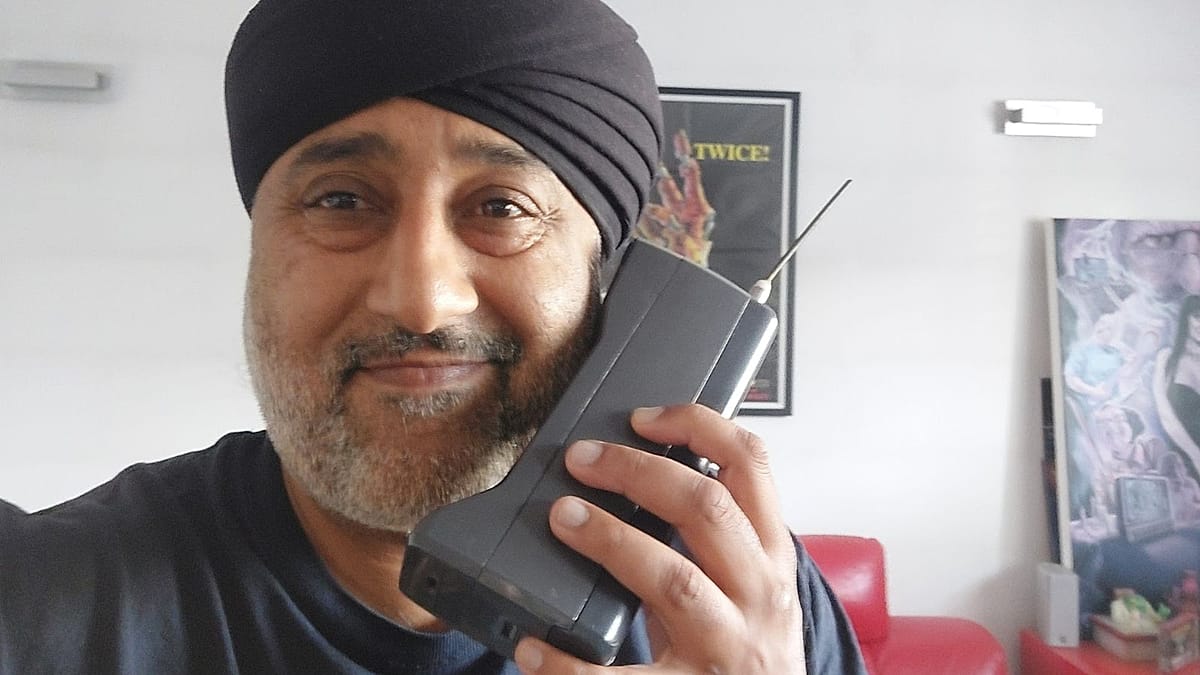
Singh Lall, a business teacher and film producer based in the UK, collects everything from mobile phones to cassette players, but his passion lies in old film formats: VHS, Laserdisc, and Betamax. He is drawn to their evolving designs and the hazy, charming visuals they produce. “The feeling of holding something tactile that is great to look at illustrates the evolving technology,” he said. His collection sometimes appears at film events, where attendees can experience the physicality of media that streaming services have rendered obsolete.
This movement is not just about nostalgia—it is a quiet rebellion against the homogenisation of digital culture. As European consumers grow weary of subscription fatigue and algorithmic curation, the appeal of owning a physical object—be it an iPod, a vinyl record, or a CRT television—offers a sense of control and authenticity. In cities from Milan to Manchester, collectors are proving that sometimes, looking backward is the best way forward.